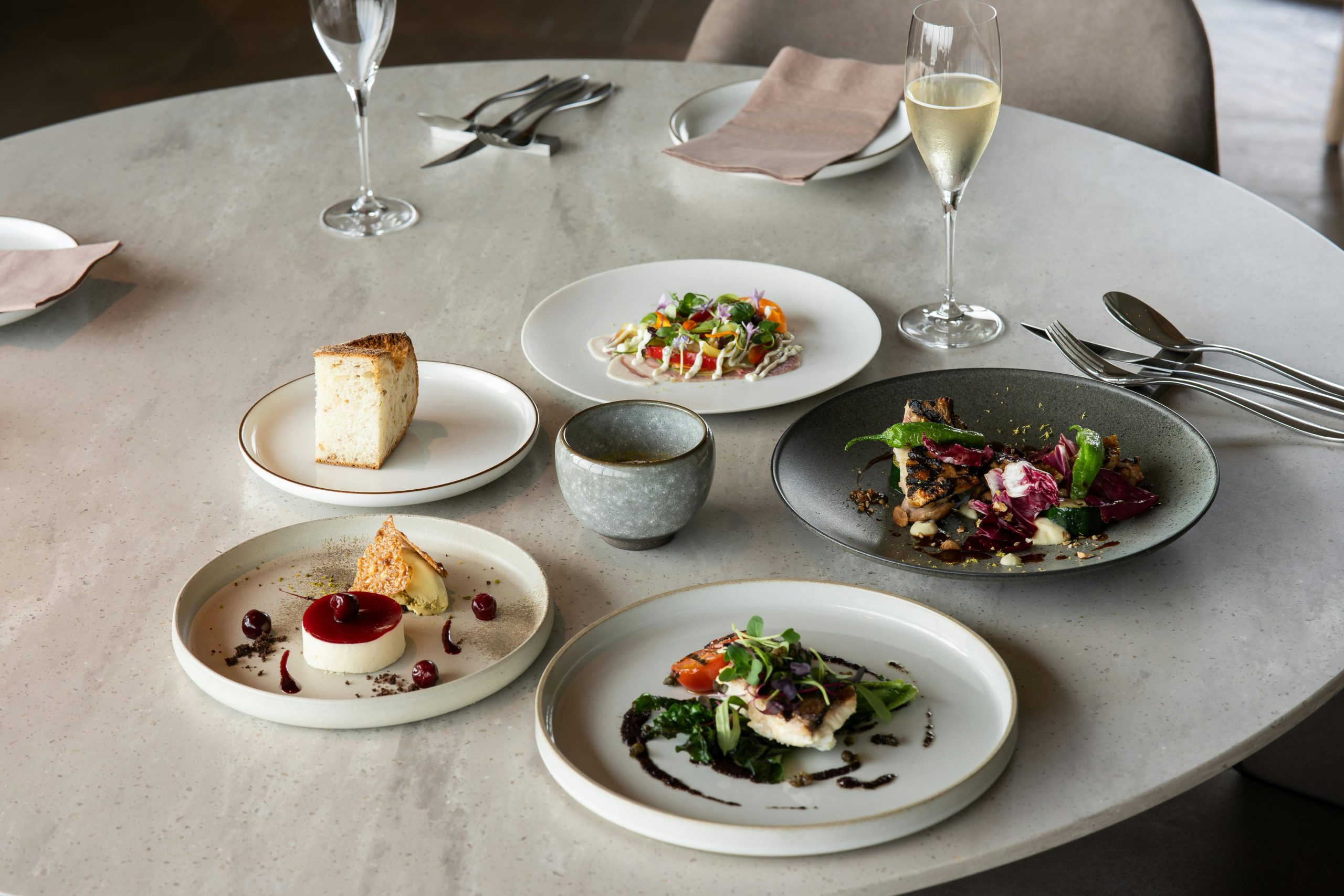
In an age of Instagram-perfect food photography and meticulously styled cooking shows, many of us have developed a debilitating case of “culinary stage fright.” We believe every meal must be a masterpiece, every cake flawlessly iced, every pie crust crimped with geometric precision. We’ve forgotten the beautiful, delicious chaos that is the soul of true home cooking—the slightly lopsided cake that tastes divine, the “deconstructed” salad that was really just a tossing error, the glorious mess that proves real creativity was at work.
Part 1: The Tyranny of the “Foodstagram”
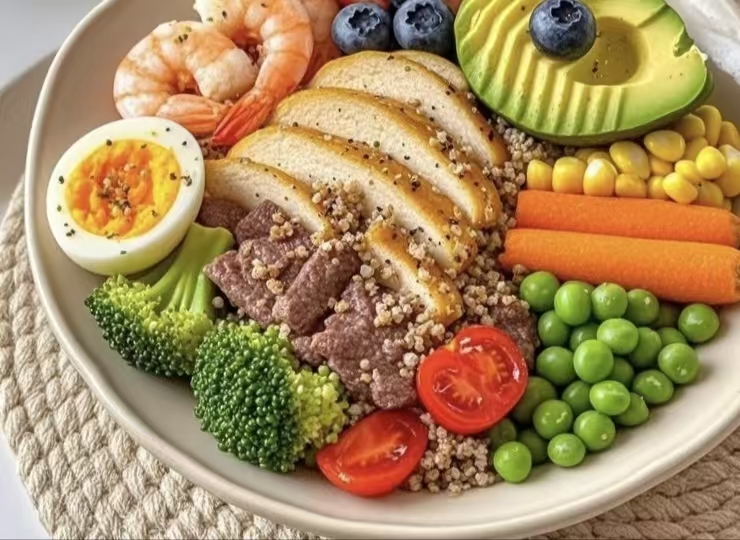
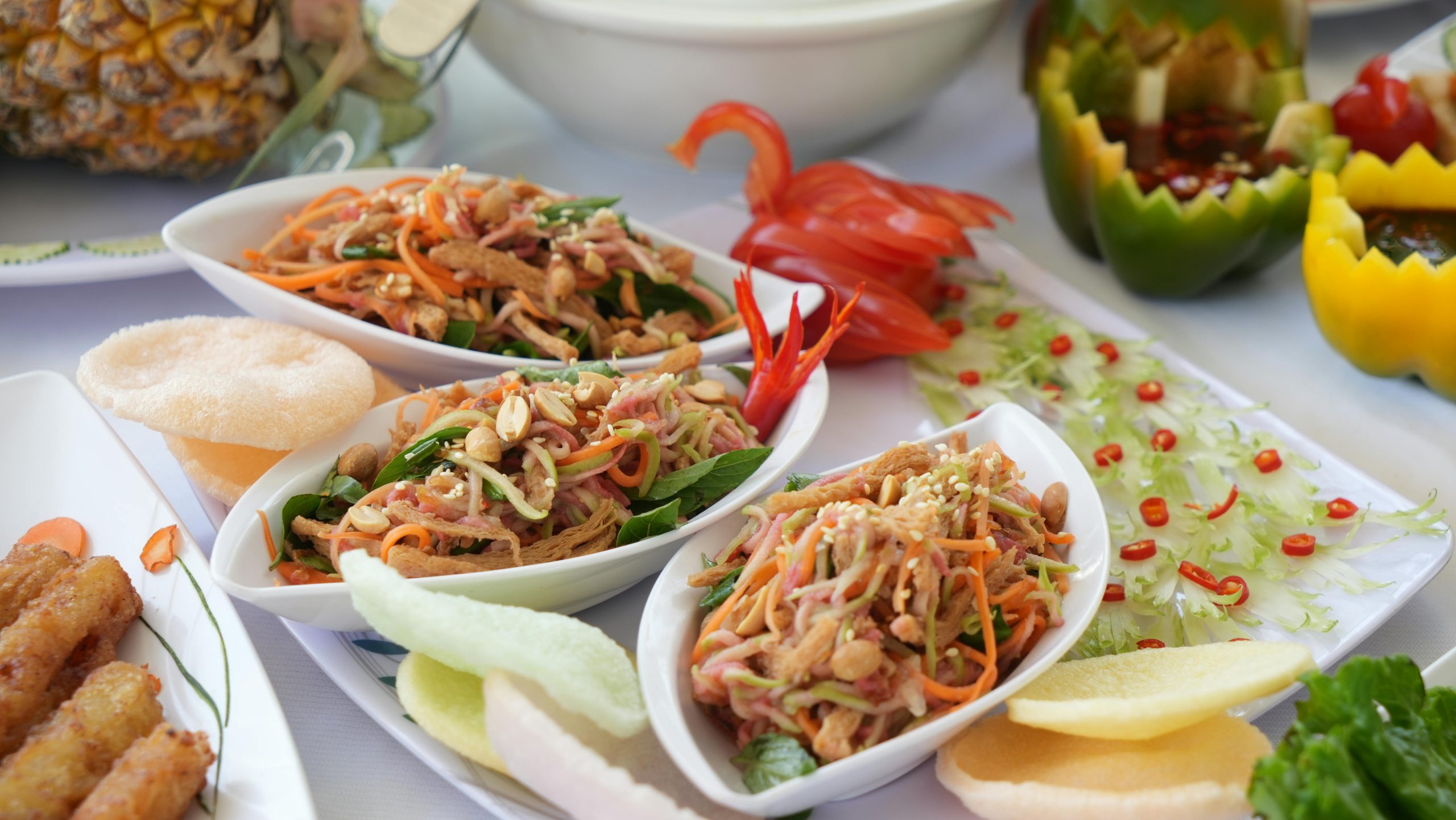
Scroll through any social media feed, and you’re bombarded with images of impossible perfection: glistening, symmetrical tartlets; salads arranged like color wheels; steaks with cross-hatched grill marks so perfect they look drawn on. This curated reality creates a set of unattainable standards.
· The Comparison Trap: We look at these images and then at our own humble, perhaps slightly burned, dinner and feel a sense of failure. This comparison can be so paralyzing that it stops us from even trying to cook something new or complex. Why risk failure when a perfectly acceptable (and perfectly photographed) takeaway is just a click away?
· The Missing Ingredient: Reality: What these pictures never show is the mountain of dirty pans behind the photographer, the three failed attempts that went in the bin, or the food stylist using motor oil instead of soy sauce to make the meat look “glistening.” They are illusions, as staged as any movie set.
Part 2: In Praise of the “Happy Accident”
Some of the world’s most beloved foods were born not from precision, but from glorious mistakes.
· Chocolate Chip Cookies: The most iconic American cookie was invented when Ruth Wakefield ran out of baker’s chocolate and broke up a bar of semi-sweet Nestlé, expecting it to melt and create a chocolate cookie. Instead, she got delightful, melty chips suspended in a golden cookie. A happy accident that changed dessert forever.
· Peking Duck: Legend has it that this dish was created for an emperor who loved watching fires. A chef, distracted by a blaze outside his kitchen, accidentally overcooked a duck hanging in the oven. To hide his mistake, he quickly sliced it thin and served it with pancakes and sauce. The emperor was delighted.
· Your Kitchen, Your Lab: The slightly over-caramelized onions that add a deeper, smokier flavor to your soup? The “herb mix” you created because you were out of the one the recipe called for? These are your personal happy accidents. They are the signatures of your unique cooking style.
Part 3: The Secret Ingredient is “You”
A technically perfect but soulless meal will always be inferior to a slightly messy one made with joy and intention. The energy you bring into the kitchen is a tangible ingredient.
· The Love Hormone: There’s a reason a simple sandwich tastes better when made by someone who cares for you. The care and attention—the “love,” if you will—is a real component. Cooking while stressed or resentful can, conversely, lead to a less enjoyable experience. The kitchen should be a sanctuary, not a stress-test.
· Embrace the “Rustic”: Let’s reclaim the word “rustic.” It’s not a euphemism for “sloppy.” It’s a celebration of food that is honest, hearty, and unpretentious. A rustic fruit galette with its casually folded crust is often more beautiful and delicious than a perfectly latticed pie. It has character.
Part 4: A Manifesto for the Imperfect Cook
Let’s lay down our arms (and our perfectly calibrated thermometers) and sign a peace treaty with our inner critic.
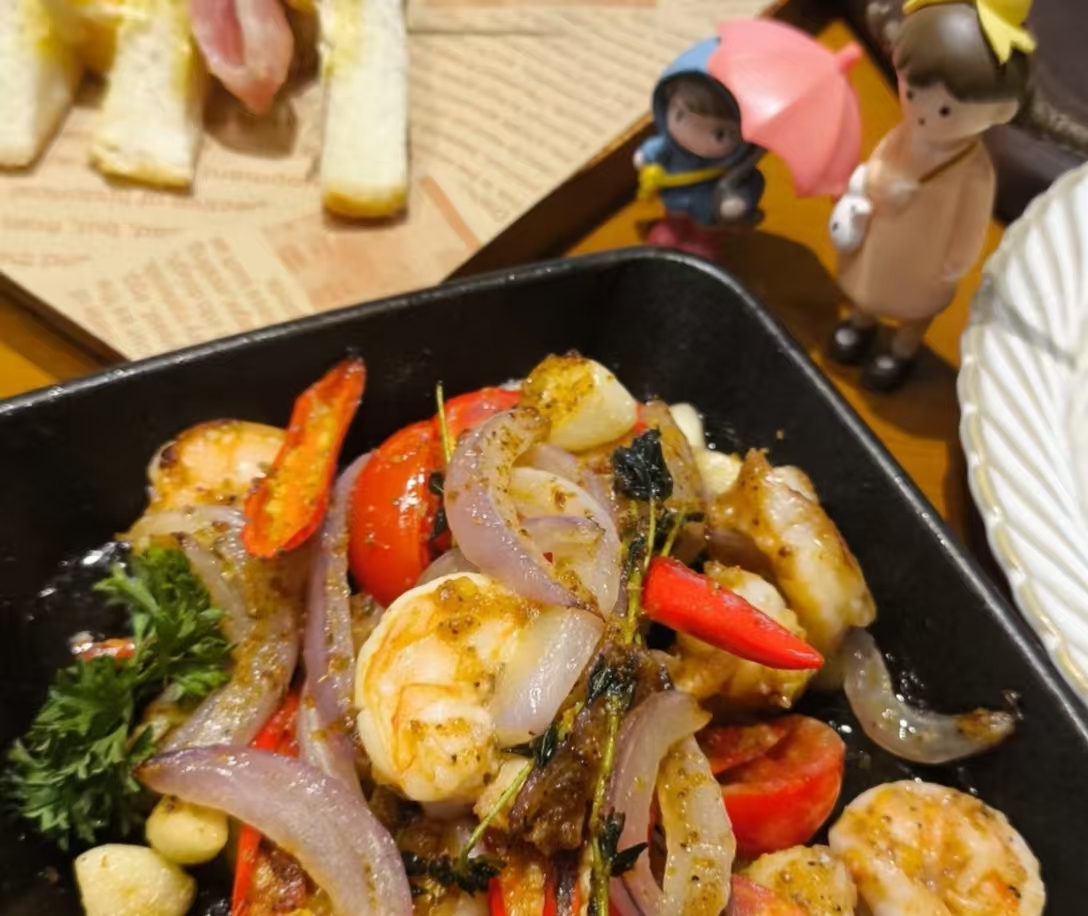
1. Burn Something on Purpose: Seriously. Char some vegetables. Blacken a piece of fish. Discover the deep, smoky flavors that come from walking right up to the edge of “overdone” and peeking over. You’ll learn more about controlling heat from one controlled burn than from a dozen perfectly safe recipes.
2. Cook Without a Recipe, Once a Week: Pick a protein and a few vegetables. Now, cook them using only your senses. Smell the herbs. Taste the sauce as you go. Adjust with salt, acid, or spice based on what you think it needs, not what a line of text commands. This is how you develop intuition.
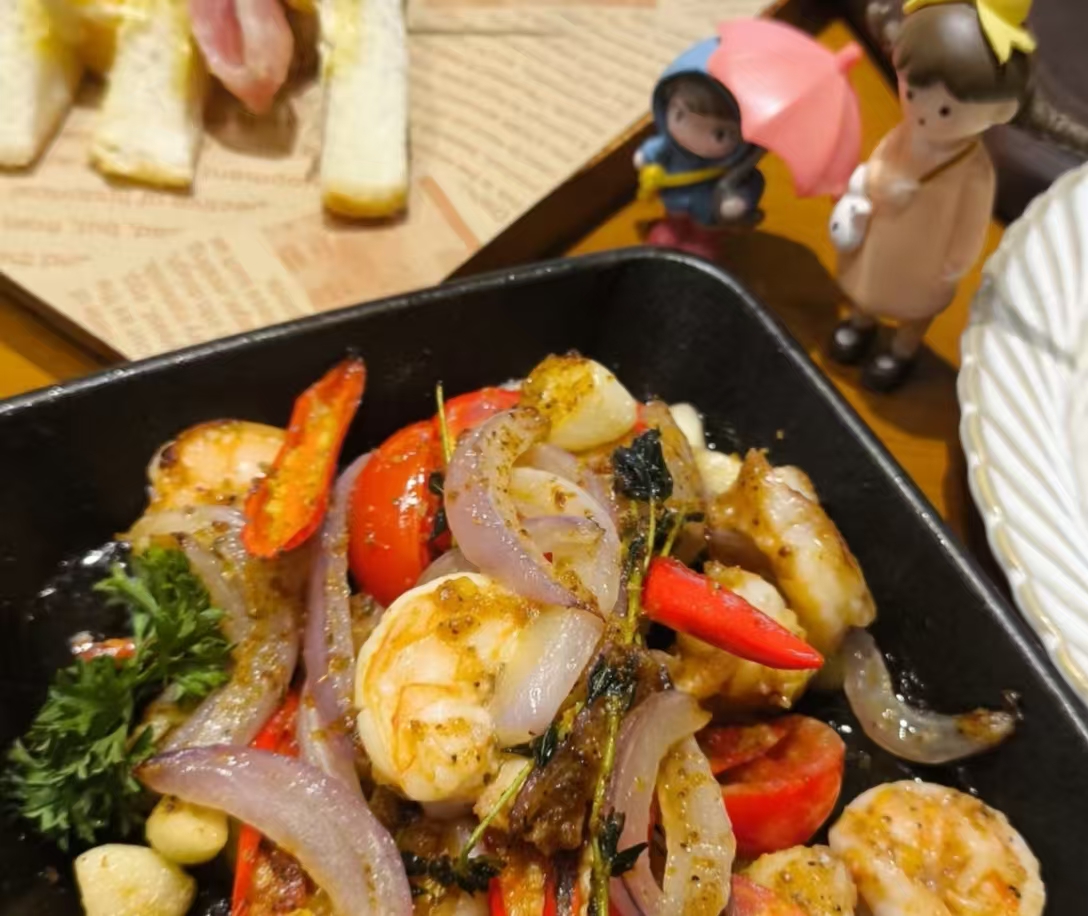
3. Serve Family-Style, Not Plated: Abandon the pursuit of the perfect plate. Serve food in the middle of the table in their cooking pots and bowls. Let people help themselves. This communal, sharing style immediately lowers the pressure and amplifies the joy of connection.
4. Celebrate Your “Failures”: Did your cake sink? Call it a pudding and serve it with whipped cream. Soup too salty? Add a peeled potato to absorb some of it, or stretch it with more liquid. Most kitchen disasters are just recipes in disguise, waiting for a creative rename.
The Grand Finale: The Meal is the Memory
Years from now, your family and friends will not remember the Instagram-worthy plating of a Tuesday night dinner. They will remember the laughter that filled the kitchen as you frantically tried to salvage a sauce. They will remember the lopsided birthday cake you made with your whole heart. They will remember the taste of your “famous” stew, the one that’s never exactly the same twice, but is always exactly what they need.
Perfection is a cold, lonely, and ultimately boring goal. The true beauty of cooking lies in its glorious, delicious, and wonderfully human imperfection. So, make a mess. Burn the garlic toast. Underseason the soup. Then, laugh about it, fix it, and sit down to eat with the people you love. That is a perfect meal.
—
Now, if you’ll excuse me, I’m about to attempt a soufflé. I fully expect it to collapse the moment it leaves the oven. I plan to call it a “Warm, Deconstructed Chocolate Cloud” and serve it with a triumphant grin.
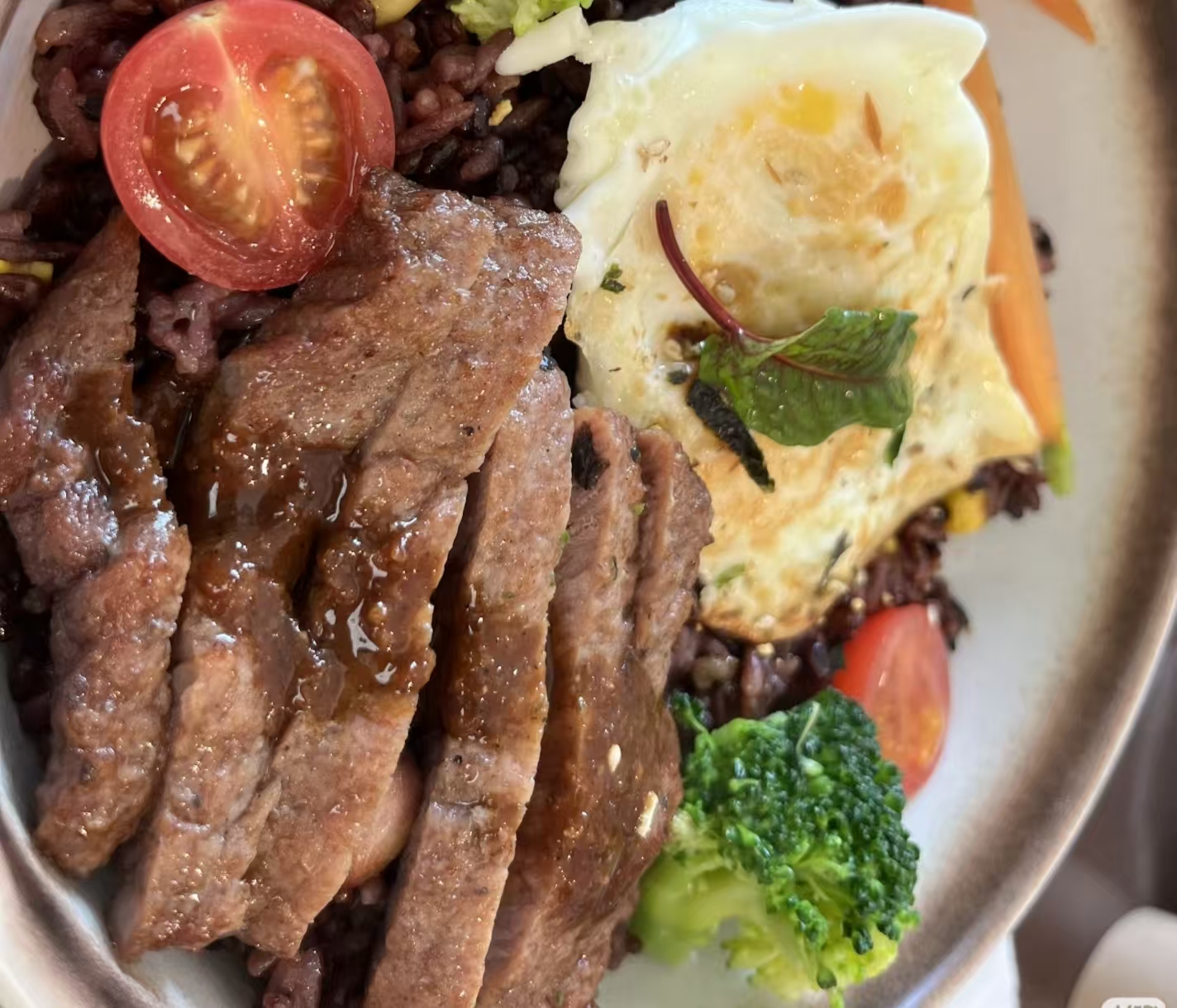
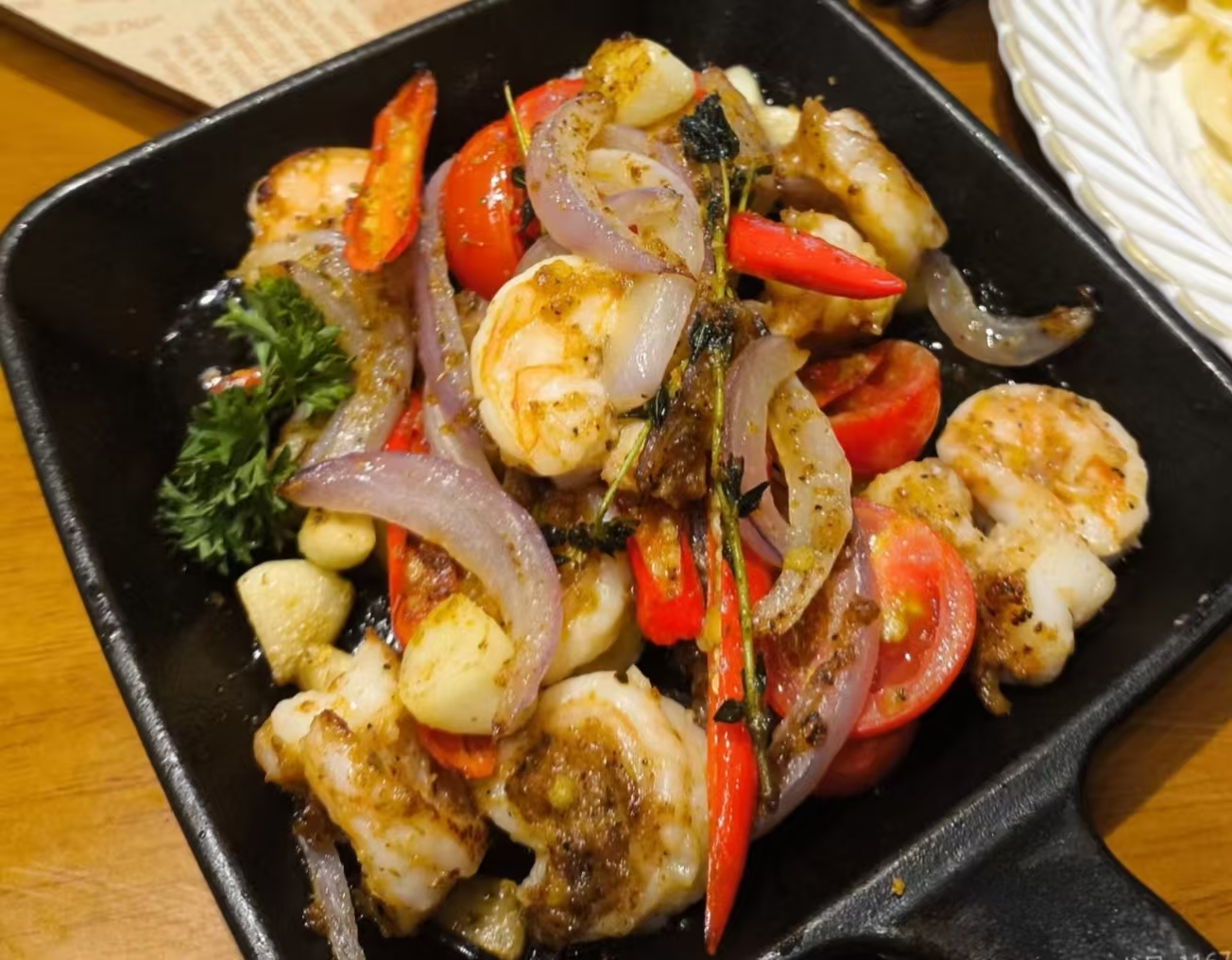
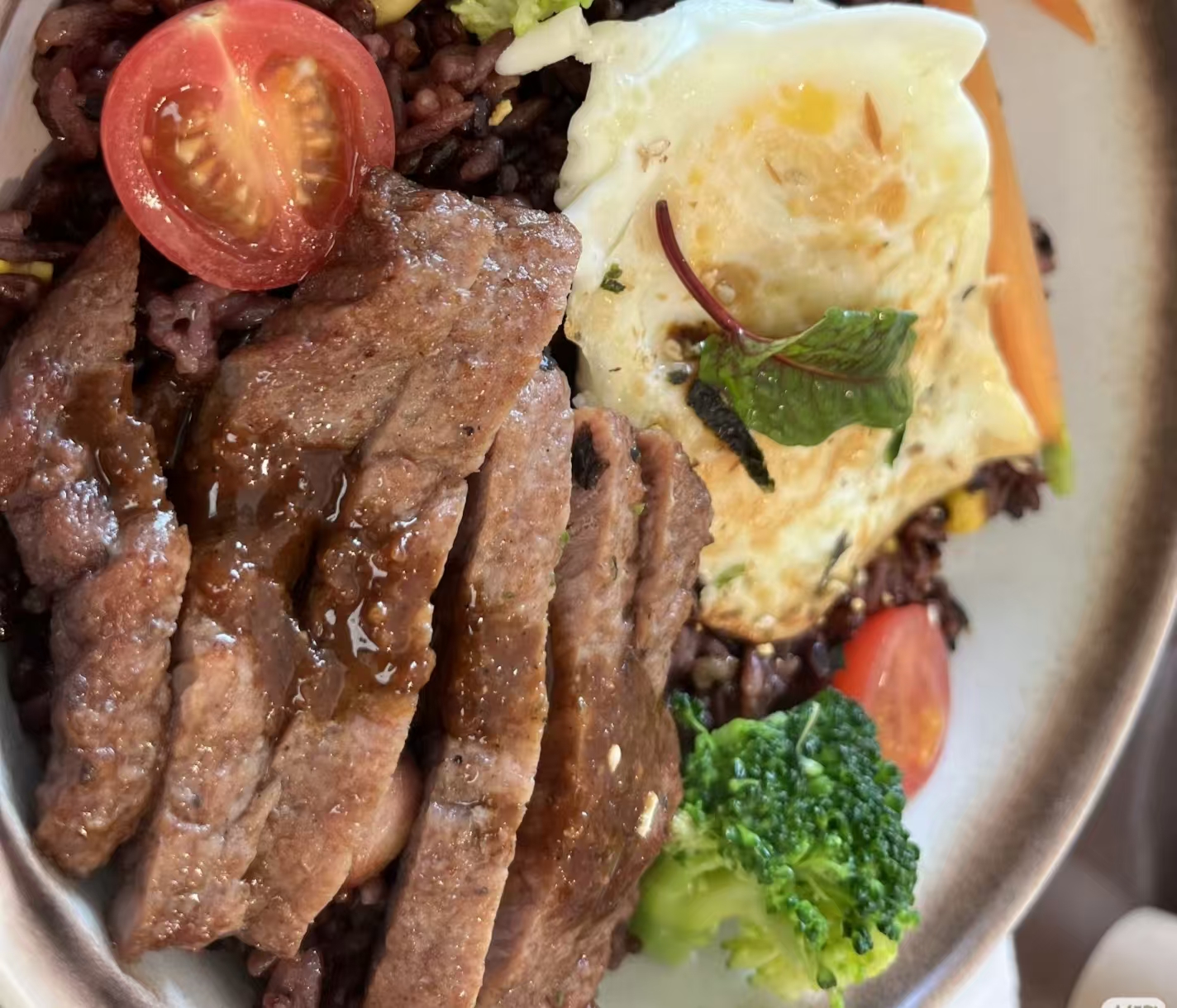
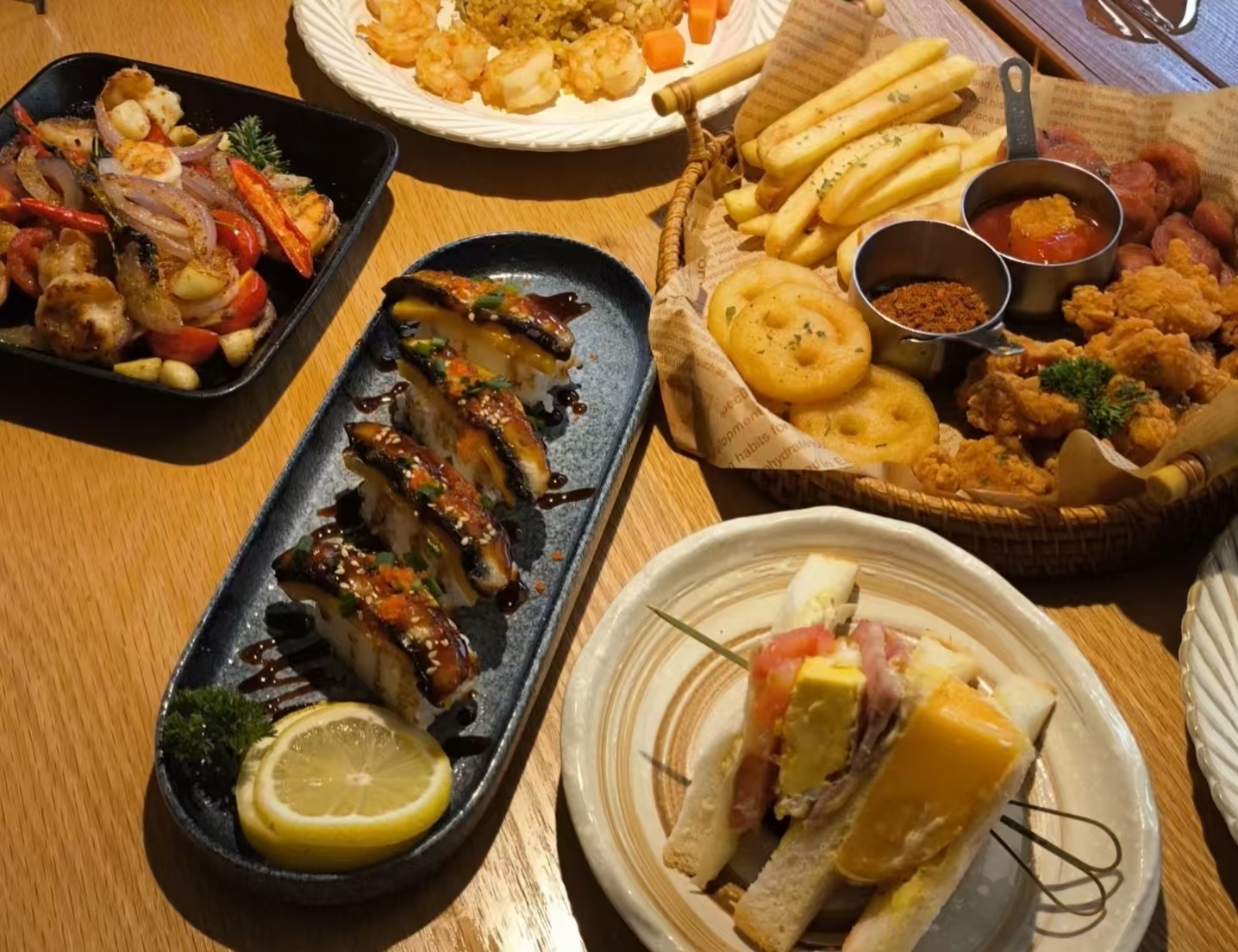
 olors on your plate, the aroma rising from the food, the textures you can already anticipate. This sensory engagement triggers the cephalic phase of digestion, preparing your body to properly process the meal.