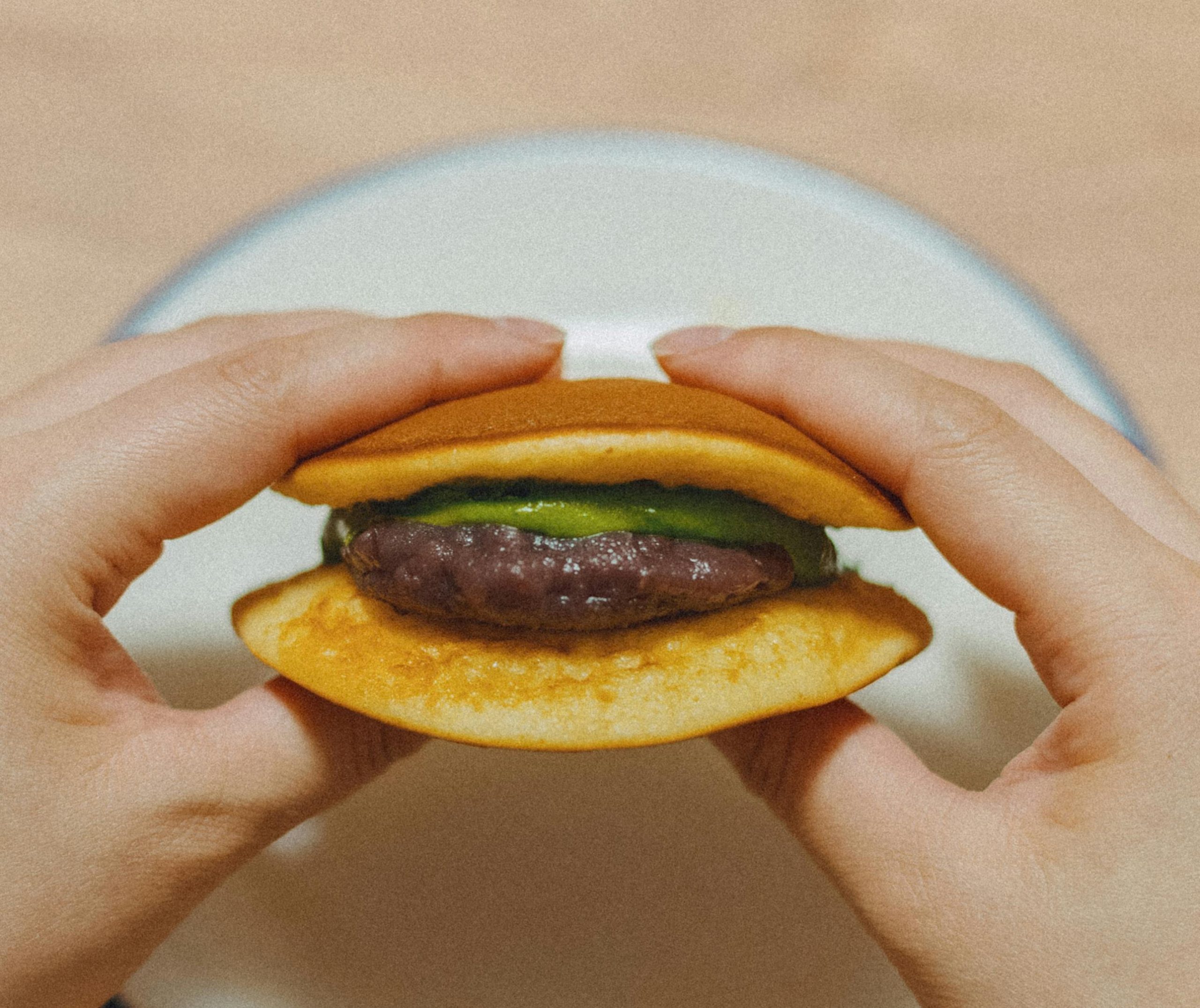
We often treat nutrition as a closed loop: food goes in, and the results appear on our scales or in our bloodwork. But what if your dietary choices were sending ripples far beyond your own body? The truth is, the story of food is a sprawling epic, interconnected with your sleep, your skin, the environment, and even your social life. Let’s pull on these threads and see how the humble act of eating ties into the wider tapestry of your life.
The Diet-Sleep Tango: A Midnight Romance
You know that a heavy pizza right before bed can lead to wild dreams, but the connection is more profound. What you eat directly influences how you sleep, and how you sleep dictates what you crave the next day.
· The Food → Sleep Pathway:
· Tryptophan Trickery: You’ve heard of the post-Thanksgiving turkey coma. Tryptophan, an amino acid in turkey, is a precursor to serotonin and melatonin, the sleep-regulating hormones. But it works best with carbohydrates, which help shuttle it to the brain. So, yes, turkey and mashed potatoes are a sleep-inducing duo.
· Magnesium Magic: Found in almonds, spinach, and pumpkin seeds, magnesium is a natural relaxant that helps deactivate adrenaline and calm the nervous system.
· The Blood Sugar Rollercoaster: A sugary late-night snack will spike your blood sugar, followed by a crash that can release cortisol (the stress hormone), potentially waking you up in the middle of the night.
· The Sleep → Diet Pathway: When you’re sleep-deprived, two things happen hormonally:
1. Leptin (the “I’m full” hormone) takes a nosedive.
2. Ghrelin (the “I’m starving” hormone) skyrockets.
The result? You crave high-energy, high-sugar, high-carb foods the next day. Poor sleep literally makes you hungrier and less satisfied with healthy food.
The Takeaway: Prioritizing sleep is a powerful dietary strategy, and eating for stable blood sugar is a powerful sleep aid. They are two sides of the same coin.
Your Skin is a Menu: The Diet-Dermatology Connection
Forget expensive creams for a moment. Your skin, the body’s largest organ, is a direct reflection of what’s happening inside. The old myth that chocolate and fries cause acne was an oversimplification, but the core idea was right: inflammation is the enemy of clear skin.
· The Glycemic Index of Your Complexion: High-glycemic foods (white bread, sugary drinks) spike your blood sugar, leading to an insulin surge. This can increase the production of skin oils and promote inflammation, both of which are key players in acne.
· The Fats You Eat Build Your Cell Walls: The membranes of your skin cells are made of fats. Eating a diet rich in Omega-3s (fatty fish, walnuts) creates flexible, hydrated cell membranes, leading to plump, supple skin. A diet high in inflammatory trans and saturated fats can lead to rigid, unhappy cells.
· The Antioxidant Army: Sun exposure, pollution, and stress create free radicals that damage skin cells. The antioxidants in colorful fruits and vegetables (Vitamin C in citrus, beta-carotene in carrots) are your internal army fighting this damage, helping to prevent premature aging.
The Takeaway: A glowing complexion is built in the grocery store, not just the cosmetics aisle. Focus on low-glycemic whole foods and healthy fats for a clear, healthy glow.
The Environmental Footprint on Your Fork
Every food choice is a vote for the kind of world you want to live in. The impact of our diet on the planet is staggering and undeniable.
· The Protein Problem: Producing animal-based protein (especially beef) requires exponentially more land, water, and energy, and generates far more greenhouse gases than producing plant-based protein (like lentils or beans).
· Food Miles and Seasons: That bag of berries from South America in the dead of winter has a hefty carbon footprint from transportation. Eating locally and seasonally isn’t just a trendy chef’s mantra; it’s a way to significantly reduce the environmental cost of your meal.
· The Food Waste Tragedy: A massive portion of the food produced globally is wasted. This isn’t just a moral issue; it’s an environmental one. All the resources that went into producing that food—the water, the fuel, the labor—are wasted too, and it rots in a landfill, producing methane.
The Takeaway: You don’t have to go fully vegan to make a difference. Even shifting toward a more plant-forward diet, reducing food waste, and buying local when possible are powerful acts of environmental stewardship.
The Social Seasoning: How Food Connects Us
Finally, we cannot ignore the social and emotional dimension of food. To reduce eating to a mere biological act is to miss half the point. Food is culture, comfort, and connection.
· The Health Cost of Loneliness: A “perfect” diet eaten alone can be less healthy than a “imperfect” meal shared with loved ones. Laughter, conversation, and community are themselves vital nutrients. The stress-reducing benefits of social connection are profound.
· The Shared Experience: The family recipe, the holiday feast, the coffee catch-up with a friend—these moments are woven into our lives with food as the central thread. The psychological comfort of these rituals is real and valuable.
The Takeaway: Never let the pursuit of nutritional perfection damage your social health. Sometimes, the healthiest choice you can make is to eat the birthday cake and enjoy the party. Joy is a nutrient, too.
The Grand Unified Theory of Eating
Nutrition is not a silo. It’s a dynamic, interconnected system that touches every part of your existence. The food on your fork is connected to your sleep tonight, your skin tomorrow, the planet’s future, and the strength of your relationships.
So, the next time you eat, see it as more than just fueling a body. See it as a chance to heal, to connect, and to cast a vote for a healthier world—both inside and out. It’s the biggest, most delicious impact you can make, multiple times a day.

 da. For about 20 minutes, you’re the king of the world. Your energy soars, your mood lifts. This is the peak.
 in your gut. If your gut bacteria are happy, they train your immune cells to fight the real bad guys, not your innocent peanut butter sandwich.