So, you’re thinking about going plant-based. Maybe it’s for the planet, the animals, or because your CrossFit-obsessed cousin won’t stop talking about his chia seed pudding. Whatever the reason, welcome. The world of plants is vibrant, delicious, and occasionally confusing as hell.
Navigating this landscape can feel like learning a new language. Where do you get your protein? Will you be stuck in the bathroom all day? Is cheese really that addictive? Let’s demystify the whole thing, with a hefty dose of reality and a side of practical advice.
First, Let’s Define Our Terms: It’s Not All or Nothing
The term “plant-based” is wonderfully flexible, and that’s its strength. You don’t have to take a solemn vow to never look at a cheese plate again.
· Flexitarian: This is the “gateway drug.” You’re mostly eating plants, but you still enjoy a burger or a piece of salmon occasionally. This is a fantastic, sustainable approach for most people.
· Vegetarian: No meat, poultry, or fish. But dairy and eggs are still on the table (literally). The classic “I-can-still-eat-pizza” model.
· Vegan: No animal products whatsoever. This means no meat, dairy, eggs, honey, or gelatin. This requires more label-reading but is entirely doable.
The point is, you get to choose your own adventure. Shifting the balance of your diet toward plants is a win, regardless of the label you use.
The Protein Paranoia: The Question Every Plant-Eater Hates
“Where do you get your protein?” If you go plant-based, you will be asked this question approximately 8,742 times. Let’s arm you with an answer.
The plant kingdom is teeming with protein. The key is to eat a variety of sources to ensure you get all the essential amino acids (the building blocks of protein) your body needs. You don’t need to meticulously combine them at every meal; just mix it up throughout the day.
Your Plant-Based Protein Hall of Fame:
· The Legume League: Lentils, chickpeas, black beans, and peas. These are the workhorses. They’re cheap, versatile, and packed with fiber and protein.
· The Soy Squad: Tofu, tempeh, and edamame. Tofu is a flavor sponge; tempeh has a nutty, firm texture. Both are protein powerhouses.
· The Nut & Seed Brigade: Almonds, peanuts, pumpkin seeds, and hemp seeds. Great for snacks, sprinkling on salads, or turning into butter.
· The Whole Grain Gang: Quinoa (a complete protein!), farro, and whole-grain pasta.
A day of eating could look like: oatmeal with peanut butter (breakfast), a quinoa and black bean salad (lunch), a handful of almonds (snack), and a tofu stir-fry (dinner). Protein problem? Solved.
The Fiber Tsunami: A Word of Warning
When you suddenly increase your intake of beans, vegetables, and whole grains, you are also dramatically increasing your fiber intake. Your gut microbiome, while ultimately thrilled, may need a period of adjustment. This can lead to… let’s call it “increased atmospheric pressure.”
How to Avoid the Gassy Apocalypse:
1. Go Slow. Don’t switch from a standard diet to 100% beans and broccoli overnight. Gradually increase your fiber intake over a few weeks.
2. Soak Your Beans. If cooking from dry, soaking beans and discarding the water can help reduce the compounds that cause gas.
3. Drink Water. Fiber needs water to do its job properly. Without it, you’re asking for a traffic jam. Hydration is non-negotiable.
4. Cook Your Veggies. Raw cruciferous vegetables (like broccoli and cauliflower) can be harder to digest for some. Lightly steaming or roasting them can make a world of difference.
The Nutrient Low-Down: Beyond Protein
A well-planned plant-based diet is incredibly healthy. A poorly planned one can lead to deficiencies. Pay special attention to these:
· Vitamin B12: This is the one nutrient not available from plants. It’s crucial for your nerves and blood cells. If you’re fully vegan, a B12 supplement is not a suggestion; it’s a necessity.
· Iron: Plant-based iron (non-heme iron) isn’t absorbed as easily as the iron from meat. Boost your absorption by pairing iron-rich foods (spinach, lentils) with a source of Vitamin C (bell peppers, citrus, tomatoes). A squeeze of lemon on your lentil soup is a power move.
· Calcium: Think beyond dairy. Fortified plant milks, tofu made with calcium sulfate, kale, and broccoli are excellent sources.
· Omega-3s: As mentioned before, grab your flaxseeds, chia seeds, and walnuts.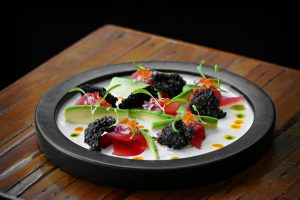
The Mental Game: It’s a Journey, Not a Destination
You will make mistakes. You’ll accidentally eat soup made with chicken broth. You’ll cave and eat a piece of cheese at a party. This is normal. It is not a failure.
The goal is progress, not perfection. Every plant-based meal is a positive choice. Celebrate the new foods you’re discovering—the creamy richness of an avocado, the umami punch of sautéed mushrooms, the sheer versatility of a humble chickpea.
The Bottom Line:
Eating a plant-based diet isn’t about deprivation. It’s about exploration. It’s about discovering a wider, more colorful world of food that happens to be incredibly good for you and the planet. Start with one meatless day a week. Master a killer lentil Bolognese. Find a plant-based milk you actually like.
Forget the dogma and enjoy the journey. Your body, and the planet, will thank you for it. Now, who’s for a black bean burger?
Leave a Reply