Author: admin

  • The Supplement Saga: Pills, Potions, and Placebos

    The Supplement Saga: Pills, Potions, and Placebos


    Let’s be real. The dream of fixing our nutritional shortcomings with a single pill is irresistibly seductive. Who wouldn’t want to swallow a capsule that promises the focus of a Jedi, the energy of a toddler, and the immune system of someone who never, ever gets sick? The supplement industry banks on this fantasy, creating a dizzying universe of powders, potions, and promises. But how much of it is science, and how much is just brilliantly marketed fairy dust?

    Navigating the supplement aisle is like walking through a minefield of hope and hyperbole. Let’s arm you with some truth serum and separate the potential heroes from the overpriced urine.

    The Foundation First Principle: The Unsexy Truth

    Before we talk about any pill, let’s state the non-negotiable, profoundly unsexy truth: No supplement can ever compensate for a crappy diet.

    Think of your body as a house. A healthy, whole-foods diet is the solid foundation, the strong walls, and the sturdy roof. Supplements are the coat of paint, the new cabinet handles, and the fancy smart doorbell. If your foundation is cracked and your roof is leaking, no amount of decorative bling will make the house structurally sound.

    If your diet consists mainly of beige foods, popping a multivitamin is like taking an aspirin while standing on a burning plank. Address the fire first. Supplements are meant to supplement a healthy lifestyle, not replace it.

    The All-Stars: Supplements with Strong Science

    While most of us can get everything we need from a balanced diet, a few supplements have robust evidence for specific populations and situations.

    · Vitamin D: The Sunshine Deficit. Many of us, especially those in northern latitudes or who are office-dwellers, are deficient in this hormone-like vitamin. It’s crucial for bone health, immune function, and mood. Getting your levels checked is wise, and supplementation is often a simple, effective fix. It’s one of the few supplements with a very broad benefit-to-risk ratio.
    · Omega-3s (EPA & DHA): For the Fish-Averse. If you don’t regularly eat fatty fish like salmon or sardines, a high-quality fish oil or algae-based supplement is a great way to get these critical fats for your brain and heart. Not all are created equal, so look for ones with high concentrations of EPA and DHA.
    · Prenatal Vitamins: The No-Brainer. For anyone who is pregnant or trying to conceive, a prenatal vitamin with folic acid is essential for preventing neural tube defects in the developing baby. This is one of the clearest and most important uses of supplementation.
    · B12: The Vegan Essential. As previously mentioned, this is non-negotiable for those following a strict vegan diet. B12 is critical for nerve function and making red blood cells, and it’s not found in plants.

    The “It’s Complicated” Zone: Promising but Murky
    This is where the hype machine goes into overdrive, and where your critical thinking cap is most needed.

    · Probiotics: The Gut Gardeners. The science is exciting but still young. While specific strains have been proven effective for certain conditions (like antibiotic-associated diarrhea), the “general gut health” claims are often oversold. The supplement industry lags behind the science, and many pills contain strains that may not survive your stomach acid or colonize your gut. Eating fermented foods is often a more reliable and diverse way to get your probiotics.
    · Collagen: The Beauty Powder. The theory is sound: you eat collagen, and it helps your body build collagen for your skin, hair, and joints. The reality is more nuanced. Your body breaks ingested collagen down into amino acids, and there’s no guarantee it will use them to rebuild collagen where you want it. Some studies show modest benefits for skin hydration and joint pain, but it’s far from a miracle. A diet rich in Vitamin C and protein, which are essential for collagen production, is just as important.
    · Multivitamins: The Health Insurance Policy? For the general, healthy population, multivitamins have largely been shown to be a “just in case” measure. They don’t prevent chronic disease in well-nourished people. However, if your diet is erratic or you have restricted food intake, a basic multivitamin can act as a nutritional safety net. Don’t waste money on mega-doses; a standard one-a-day is fine.

    The Red Flag Zone: Outright Dangerous or Pure Hokum

    · “Detox” Cleanses: We’ve said it before, and we’ll say it again: your liver and kidneys are your ultimate detox system. These products are, at best, expensive laxatives and, at worst, harmful to your health.
    · Fat Burners: Most over-the-counter “fat burners” are loaded with high doses of caffeine and other stimulants that jack up your heart rate and make you jittery. They do not “melt fat” while you sit on the couch. Any weight loss is usually temporary water weight, and the risks far outweigh the non-existent benefits.
    · Mega-Doses of Anything: The mantra “more is better” is dangerously wrong in the world of supplements. Fat-soluble vitamins (A, D, E, K) can build up to toxic levels in your body, and even high doses of water-soluble vitamins can cause problems.

    The Final, Sobering Pill to Swallow

    The supplement industry is wildly under-regulated. Companies are not required to prove their products are safe or effective before selling them. What’s on the label isn’t always what’s in the bottle.

    Your best strategy? Food First. Pour your money and effort into buying and preparing delicious, whole foods. If you suspect a deficiency, talk to a doctor or a registered dietitian—not a wellness influencer—and get a blood test. If you do choose to supplement, opt for third-party tested brands (look for seals like USP or NSF) that verify the product contains what it says it does.

    In the end, true vitality doesn’t come from a bottle. It’s built over time, with real food, good sleep, and managed stress. No pill can give you that.


  • The Hunger Games: Learning Your Body’s Language in a World of Diet Noise

    The Hunger Games: Learning Your Body’s Language in a World of Diet Noise


    We live in an era of nutritional shouting. Influencers, “wellness” gurus, and magazine covers are all screaming conflicting commands: “Fast!” “Graze!” “Eat fat!” “Fear carbs!” It’s enough to make anyone want to retreat to a closet with a loaf of bread. But what if the most powerful dietary expert you needed to listen to has been with you all along?

    It’s your own body.

    The concept of “intuitive eating” sounds deceptively simple: eat when you’re hungry, stop when you’re full. But for generations, we’ve been trained to ignore these signals in favor of external rules. We eat because it’s noon, we restrict because it’s Monday, and we feel guilty because we ate a “bad” food. Relearning this innate language is the key to a peaceful and sustainable relationship with food. Let’s decode the dialect.

    Part 1: The Two Main Characters: Hunger and Fullness

    Think of hunger and fullness as the lead violin and the cello in your body’s symphony. They are meant to work in harmony. Most of us have been taught to mute them.

    · Physical Hunger: This is the body’s biological need for fuel. It comes on gradually. You might feel a gentle emptiness in your stomach, a slight dip in energy, or even a little irritability (“hanger” is a real thing). It’s not urgent or panicked. It’s a polite request.
    · Emotional Hunger: This is a craving driven by feelings—boredom, stress, sadness, loneliness. It strikes suddenly and specifically, often for comfort foods like pizza, ice cream, or chips. Eating in response to this feels urgent, almost frantic, but the satisfaction is fleeting and often followed by guilt.

    The First Step: Next time you reach for a snack, pause. Place a hand on your stomach and ask, “Am I physically hungry?” If the answer is no, you’re likely dealing with an emotion that food cannot fix. The solution isn’t in the pantry; it might be in a walk, a phone call to a friend, or five minutes of deep breathing.

    · Satiety (Fullness): This is the feeling of satisfaction and comfort. You are no longer hungry, but you are not uncomfortable or stuffed. It’s the gentle feeling of having had enough. The goal is to stop eating here, at a “7” or “8” on a fullness scale of 1 to 10.

    Part 2: The Villains of the Story: Why We Stopped Listening

    Our internal cues are powerful, but modern life has thrown a series of villains at them.

    1. The Diet Mentality: Diets are, by nature, external rulebooks. They tell you what, when, and how much to eat, completely overriding your internal hunger and fullness signals. After years of dieting, many people genuinely cannot tell if they are hungry or full anymore.
    2. The Distracted Diner: How often do you eat while scrolling through your phone, watching TV, or driving? When you’re distracted, you’re far less likely to notice your body’s subtle “hey, we’re good now” signal. You enter a trance and finish the bag of chips on autopilot.
    3. “Clean Your Plate” Club: Many of us were raised with this well-intentioned but harmful mantra. It teaches us to value the empty plate over our own internal feeling of fullness, a habit that follows us into adulthood.

    Part 3: The Re-Learning Process: Becoming a Hunger Whisperer

    Rebuilding this connection is a practice, not a perfect science. It requires patience and curiosity, not judgment.

    1. Make Peace with Food. Give yourself unconditional permission to eat. When you label foods as “forbidden,” they become objects of intense desire. When you truly know you can have a food anytime you want, it loses its power over you. The cookie is just a cookie, not a symbol of your failure or success.

    2. Rediscover the Pause. The most powerful tool in your arsenal is the pause. Halfway through your meal, put your fork down. Take a sip of water. Check in with your stomach. How does it feel? Are you still hungry, or are you eating just because the food is there? This simple, 10-second break can revolutionize your portions.

    3. Rate Your Hunger. Use a simple scale from 1 to 10.

    · 1-3: Ravenous, dizzy, irritable (Try not to let yourself get here!).
    · 4-5: Gently hungry, stomach rumbling (The ideal time to start eating).
    · 6-7: Comfortable, lightly satisfied (The ideal time to stop eating).
    · 8-9: Full, stuffed, uncomfortable.
    · 10: Painfully full, sick.

    Aim to eat when you’re at a 4 and stop when you’re at a 7.

    4. Savour the Experience. Eat without distraction. Notice the colors, smells, and textures of your food. Chew slowly. Not only does this help with digestion, but it also allows the pleasure of eating to register in your brain, which is a key component of feeling satisfied.

    The Final, Liberating Truth

    Intuitive eating is not a free-for-all. It’s a disciplined practice of tuning in. It’s the recognition that your body’s wisdom far surpasses any fad diet printed in a magazine. Some days you’ll be hungrier, and that’s okay. Some days you’ll eat for comfort, and that’s human.

    The goal is not to get it “right” every time. The goal is to end the war at the dinner table—to trade the noise of external rules for the quiet, confident voice of your own body. It’s been waiting to guide you all along. All you have to do is listen.

  • The Plant-Based Puzzle: A No-BS Guide to Eating Green (Without Going Crazy)


    So, you’re thinking about going plant-based. Maybe it’s for the planet, the animals, or because your CrossFit-obsessed cousin won’t stop talking about his chia seed pudding. Whatever the reason, welcome. The world of plants is vibrant, delicious, and occasionally confusing as hell.

    Navigating this landscape can feel like learning a new language. Where do you get your protein? Will you be stuck in the bathroom all day? Is cheese really that addictive? Let’s demystify the whole thing, with a hefty dose of reality and a side of practical advice.

    First, Let’s Define Our Terms: It’s Not All or Nothing

    The term “plant-based” is wonderfully flexible, and that’s its strength. You don’t have to take a solemn vow to never look at a cheese plate again.

    · Flexitarian: This is the “gateway drug.” You’re mostly eating plants, but you still enjoy a burger or a piece of salmon occasionally. This is a fantastic, sustainable approach for most people.
    · Vegetarian: No meat, poultry, or fish. But dairy and eggs are still on the table (literally). The classic “I-can-still-eat-pizza” model.
    · Vegan: No animal products whatsoever. This means no meat, dairy, eggs, honey, or gelatin. This requires more label-reading but is entirely doable.

    The point is, you get to choose your own adventure. Shifting the balance of your diet toward plants is a win, regardless of the label you use.

    The Protein Paranoia: The Question Every Plant-Eater Hates

    “Where do you get your protein?” If you go plant-based, you will be asked this question approximately 8,742 times. Let’s arm you with an answer.

    The plant kingdom is teeming with protein. The key is to eat a variety of sources to ensure you get all the essential amino acids (the building blocks of protein) your body needs. You don’t need to meticulously combine them at every meal; just mix it up throughout the day.

    Your Plant-Based Protein Hall of Fame:

    · The Legume League: Lentils, chickpeas, black beans, and peas. These are the workhorses. They’re cheap, versatile, and packed with fiber and protein.
    · The Soy Squad: Tofu, tempeh, and edamame. Tofu is a flavor sponge; tempeh has a nutty, firm texture. Both are protein powerhouses.
    · The Nut & Seed Brigade: Almonds, peanuts, pumpkin seeds, and hemp seeds. Great for snacks, sprinkling on salads, or turning into butter.
    · The Whole Grain Gang: Quinoa (a complete protein!), farro, and whole-grain pasta.

    A day of eating could look like: oatmeal with peanut butter (breakfast), a quinoa and black bean salad (lunch), a handful of almonds (snack), and a tofu stir-fry (dinner). Protein problem? Solved.

    The Fiber Tsunami: A Word of Warning

    When you suddenly increase your intake of beans, vegetables, and whole grains, you are also dramatically increasing your fiber intake. Your gut microbiome, while ultimately thrilled, may need a period of adjustment. This can lead to… let’s call it “increased atmospheric pressure.”

    How to Avoid the Gassy Apocalypse:

    1. Go Slow. Don’t switch from a standard diet to 100% beans and broccoli overnight. Gradually increase your fiber intake over a few weeks.
    2. Soak Your Beans. If cooking from dry, soaking beans and discarding the water can help reduce the compounds that cause gas.
    3. Drink Water. Fiber needs water to do its job properly. Without it, you’re asking for a traffic jam. Hydration is non-negotiable.
    4. Cook Your Veggies. Raw cruciferous vegetables (like broccoli and cauliflower) can be harder to digest for some. Lightly steaming or roasting them can make a world of difference.

    The Nutrient Low-Down: Beyond Protein

    A well-planned plant-based diet is incredibly healthy. A poorly planned one can lead to deficiencies. Pay special attention to these:

    · Vitamin B12: This is the one nutrient not available from plants. It’s crucial for your nerves and blood cells. If you’re fully vegan, a B12 supplement is not a suggestion; it’s a necessity.
    · Iron: Plant-based iron (non-heme iron) isn’t absorbed as easily as the iron from meat. Boost your absorption by pairing iron-rich foods (spinach, lentils) with a source of Vitamin C (bell peppers, citrus, tomatoes). A squeeze of lemon on your lentil soup is a power move.
    · Calcium: Think beyond dairy. Fortified plant milks, tofu made with calcium sulfate, kale, and broccoli are excellent sources.
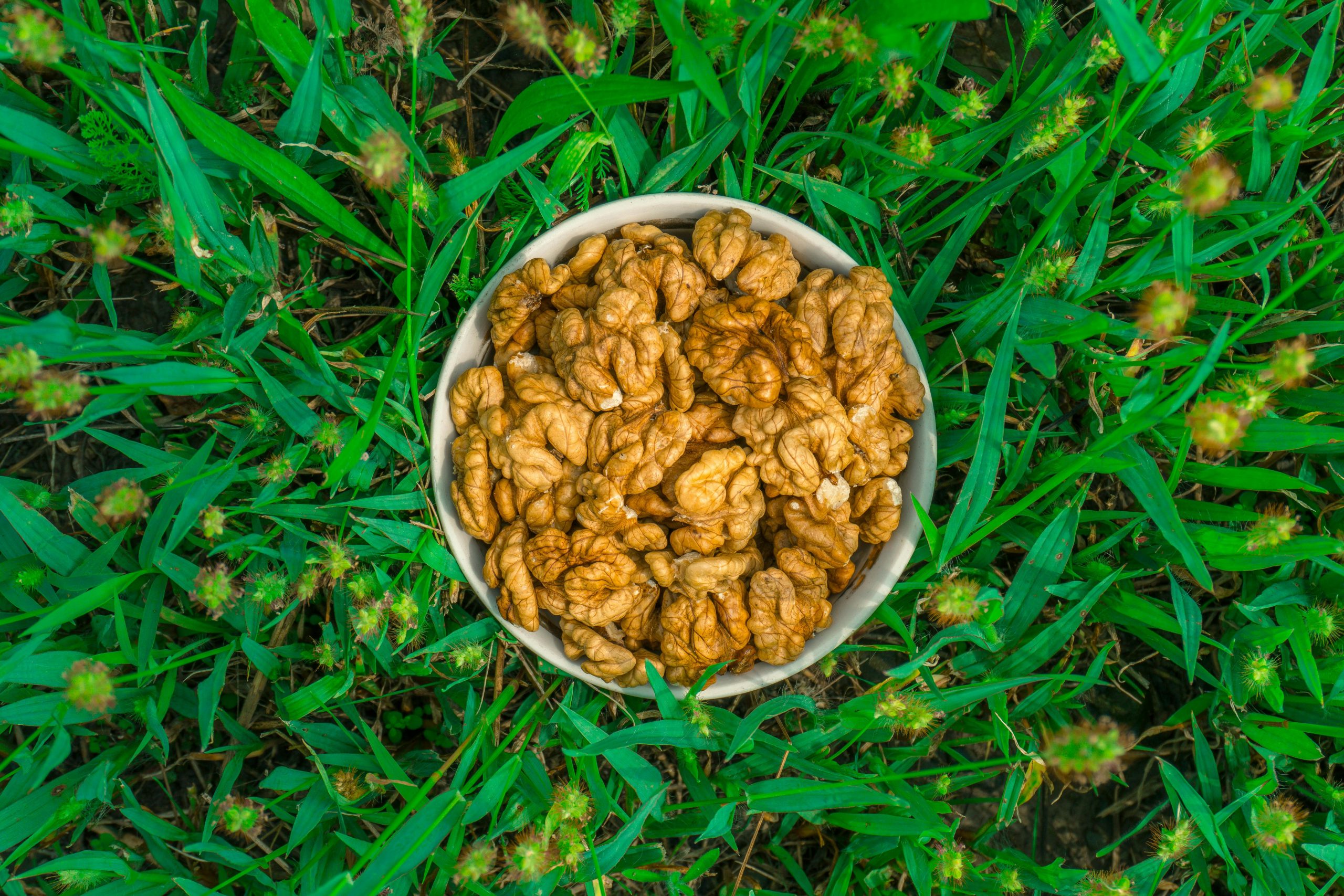
    · Omega-3s: As mentioned before, grab your flaxseeds, chia seeds, and walnuts.

    The Mental Game: It’s a Journey, Not a Destination

    You will make mistakes. You’ll accidentally eat soup made with chicken broth. You’ll cave and eat a piece of cheese at a party. This is normal. It is not a failure.

    The goal is progress, not perfection. Every plant-based meal is a positive choice. Celebrate the new foods you’re discovering—the creamy richness of an avocado, the umami punch of sautéed mushrooms, the sheer versatility of a humble chickpea.

    The Bottom Line:

    Eating a plant-based diet isn’t about deprivation. It’s about exploration. It’s about discovering a wider, more colorful world of food that happens to be incredibly good for you and the planet. Start with one meatless day a week. Master a killer lentil Bolognese. Find a plant-based milk you actually like.

    Forget the dogma and enjoy the journey. Your body, and the planet, will thank you for it. Now, who’s for a black bean burger?

  • Nutritional Myths Busted: Why Everything You Know About Dieting is Probably Wrong

    Nutritional Myths Busted: Why Everything You Know About Dieting is Probably Wrong


    The world of nutrition is a battlefield of bad advice, where well-intentioned but misguided beliefs go to die a slow, confusing death. We cling to these myths because they sound logical, or because a celebrity with great abs swore by them. It’s time to grab the sword of science and slay these dragons once and for all. Prepare to have your mind—and maybe your meal plan—a little blown.

    Myth #1: “Calories In, Calories Out” is the Whole Story

    This is the granddaddy of all nutrition myths. It sounds so simple, so elegant: burn more calories than you eat, and you’ll lose weight. While creating an energy deficit is fundamentally necessary for weight loss, this model is a drastic oversimplification. It treats your body like a simple furnace, when it’s actually a complex, hormonally-driven ecosystem.

    The Truth: Not all calories are created equal. 100 calories from a sugary soda and 100 calories from a chicken breast do wildly different things inside your body.

    · The soda spikes your blood sugar and insulin, a hormone that, among other things, tells your body to store fat. It provides no nutrients and leaves you hungry.
    · The chicken breast provides satiating protein, requires more energy to digest (the thermic effect of food), and supports muscle repair, without spiking insulin.

    Your metabolism is not a fixed number. It’s influenced by the quality of the calories you consume, your hormones, your gut bacteria, and your sleep. Focusing solely on calorie counting while eating processed junk is a recipe for a sluggish metabolism and relentless hunger.

    Myth #2: Fat Makes You Fat

    We’ve been recovering from the low-fat craze of the 80s and 90s for decades. The food industry convinced us that swapping fat for sugar was a health move. It was, in fact, a catastrophic miscalculation.

    The Truth: Dietary fat is essential. As we’ve learned, it’s crucial for your brain, hormones, and for absorbing key vitamins. Eating healthy fats can actually help you manage your weight.

    · Fat is incredibly satiating. A meal with adequate fat keeps you full for much longer than a low-fat, high-carb meal.
    · When you remove fat from food, it often tastes like cardboard. So, what did manufacturers add to make it palatable? Sugar and refined carbohydrates. The low-fat yogurt that started this myth is often a sugar bomb in disguise.

    The real villain in weight gain isn’t dietary fat; it’s the combination of excessive sugars, refined carbs, and processed foods that disrupts your hormonal balance and promotes fat storage.

    Myth #3: You Need to “Detox” or “Cleanse”

    The idea that you need a special juice, tea, or supplement to “flush out toxins” is a brilliant marketing scheme but a physiological fantasy. Your body is already equipped with a world-class, 24/7 detoxification system.

    The Truth: Your liver, kidneys, lungs, skin, and digestive system are constantly filtering and expelling waste. The concept of a “toxin” in these cleanses is almost never defined.

    · Juice Cleanses: Are often very high in sugar and devoid of the fiber that helps your digestive system function properly. You might lose weight, but it’s primarily water and muscle glycogen, not fat. And it’s coming back as soon as you eat solid food again.
    · The Real “Cleanse”: The best way to support your body’s natural detoxification systems is to feed it what it needs: plenty of fiber from fruits and vegetables, adequate protein, and water. You don’t need a $100 kit; you need a grocery store.

    Myth #4: Snacking is Essential to “Stoke Your Metabolism”

    The idea that you must eat six small meals a day to keep your metabolism burning hot is pervasive. The theory is that the thermic effect of food (the energy used to digest it) will keep your metabolic fire blazing all day.

    The Truth: For the average person, meal frequency has a negligible impact on total daily metabolic rate. What matters most is your total calorie and nutrient intake over the course of the day.

    · For some people, constant snacking can lead to mindless overeating and never feeling truly full or satisfied.
    · Allowing periods of rest between meals (a practice that aligns with intermittent fasting for some) can give your digestive system a break and improve insulin sensitivity.

    The optimal number of meals is what works for you. If you’re hungry between meals, by all means, have a healthy snack. But don’t feel enslaved to the clock. Listen to your hunger cues, not a rigid schedule.

    Myth #5: All Processed Food is Evil

    “Processed” has become a dirty word, synonymous with “unhealthy.” But this black-and-white thinking is unhelpful.

    The Truth: “Processing” simply means altering a food from its natural state. This is a spectrum.

    · Minimally Processed: Bagged spinach, roasted nuts, frozen vegetables, canned beans (with low sodium), Greek yogurt.
    · Culinary Ingredients: Olive oil, butter, maple syrup.
    · Heavily Processed (The “Avoid” Zone): Sugary cereals, soda, processed meats (like hot dogs), packaged snacks with long ingredient lists you can’t pronounce.

    The goal isn’t to eliminate all processed food; that’s nearly impossible. The goal is to base your diet on the first two categories and severely limit the third. Canned tomatoes, frozen peas, and whole-grain bread are processed foods that can be part of a incredibly healthy diet.

    The Final Reality Check

    Nutrition science is evolving, and humility is key. The most powerful tool you have is critical thinking. If a diet sounds too good to be true, requires you to buy a special product, or eliminates entire food groups without a medical reason, it’s probably a fad.

    Forget the quick fixes and the rigid rules. The foundation of great health is consistently choosing whole, nutrient-dense foods most of the time. It’s not sexy, but it’s the truth. And the truth doesn’t need a catchy myth to sell it.

  • Food & Mood: The Hilarious Truth About Eating for Your Mental Health

    Food & Mood: The Hilarious Truth About Eating for Your Mental Health


    We’ve obsessed over how food changes our bodies for decades. But what about our minds? That bowl of ice cream after a bad day isn’t just a cliché—it’s biochemistry in action. The connection between your lunch and your afternoon mood swing is more direct than you think. So, let’s dive into the messy, fascinating world of how your diet is basically your brain’s manager, for better or worse.

    Your brain is the most energy-hungry organ in your body, consuming about 20% of your daily calories. It’s a high-maintenance diva, and the quality of the fuel you provide determines whether it performs like a well-oiled opera singer or a grumpy cat stuck in a tree.

    The Sugar Rollercoaster: Your Brain’s Worst Adventure Ride

    Picture this: You’re feeling sluggish, so you grab a sugary muffin or a soda. For about 20 minutes, you’re the king of the world. Your energy soars, your mood lifts. This is the peak.

    But then, the plunge. Your pancreas freaks out from the sugar invasion and releases a flood of insulin to manage it. This causes a rapid drop in your blood sugar, a state called hypoglycemia. Your brain, now starved of its primary fuel, sounds the alarm. Hello, irritability, anxiety, brain fog, and a desperate craving for… more sugar.

    This vicious cycle is a recipe for a volatile, unpredictable mood. You become a puppet on the strings of your own blood sugar levels. Feeding your brain a steady supply of complex carbohydrates—like oats, sweet potatoes, and whole grains—is like giving it a reliable, long-burning log instead of a pile of kindling that burns out in seconds.

    The Fat of the Matter: Your Brain is 60% Fat

    If your brain were a building, fat would be the insulation around all the electrical wiring. This insulation, called the myelin sheath, allows electrical impulses to travel quickly and efficiently. Without healthy fats, the communication in your brain looks less like a high-speed internet connection and more like two tin cans connected by a string.

    The All-Stars:

    · Omega-3 Fatty Acids: These are the rock stars of brain fat. Found in fatty fish (saloon, mackerel, sardines), walnuts, and flaxseeds, they are crucial for building brain cell membranes and reducing inflammation. Low levels of Omega-3s have been linked to depression and cognitive decline. Think of them as the premium, high-speed wiring for your internal supercomputer.
    · Other Healthy Fats: Avocados, olive oil, and nuts provide stable energy and help absorb fat-soluble vitamins that are essential for neurological function.

    A diet chronically low in healthy fats is like trying to run the latest software on a computer with frayed, outdated cables. The system will be slow, glitchy, and prone to crashing.

    The Gut-Brain Axis: The Superhighway You Didn’t Know You Had

    As we’ve touched on before, your gut and brain are in constant, intimate conversation via the vagus nerve—a biological superhighway. The state of your gut directly influences the state of your mind.

    Your gut bacteria produce a vast array of neurochemicals that your brain uses to regulate mood, including about 90% of your body’s serotonin—the famous “happy hormone.” When your gut microbiome is out of whack from a poor diet (see: the Sugar Rollercoaster), production of these crucial chemicals can falter.

    This is why feeding your gut a diverse, fiber-rich diet full of prebiotics and probiotics isn’t just about avoiding bloating. It’s about actively farming the microbes that produce the very chemicals that make you feel calm, focused, and happy. An unhappy gut is very often an unhappy mind.

    The Dehydration Deception: Why Water is a Mood Stabilizer

    Feeling cranky, tired, or unable to concentrate? Before you blame your boss or your life choices, drink a tall glass of water. Mild dehydration is a surprisingly common culprit behind low-grade grumpiness and fatigue.

    Your brain is about 75% water. Even a small dip in hydration can affect its function, reducing cognitive performance and the brain’s ability to flush out toxins. It’s a simple, often-overlooked fix. Keep a water bottle on your desk. Your mood might just be one refill away from a major upgrade.

    The Practical Prescription for a Happier Brain

    So, what does a “good mood diet” look like? It’s not about one magical food. It’s about consistent patterns.

    1. Stable Blood Sugar is King: Pair complex carbs with protein and fat at every meal. An apple with peanut butter. Whole-grain toast with avocado and an egg. This combo provides a slow, steady release of glucose, avoiding the dramatic peaks and troughs.
    2. Prioritize Omega-3s: Aim for two servings of fatty fish per week, or incorporate a daily handful of walnuts or ground flaxseed into your yogurt or oatmeal.
    3. Feed Your Gut Bugs: Load up on fermented foods (yogurt, kefir, kimchi) and fiber-rich plants (fruits, vegetables, legumes). A diverse gut garden grows a more stable mood.
    4. Hydrate Like It’s Your Job: Sip water throughout the day. If you feel a slump, water is your first line of defense.

    The Bottom Line

    What you put on your fork is one of the most powerful levers you have for managing your mental well-being. It’s not a replacement for therapy, medication, or other crucial forms of mental healthcare, but it is a fundamental piece of the puzzle. You can’t out-supplement a poor diet, and you can’t out-run a brain fed on junk.

    Stop thinking of food as just fuel for your body. It’s the software, the building blocks, and the maintenance crew for your mind. Choose wisely, and your brain will reward you with greater clarity, stability, and a sunnier outlook. Now, pass the salmon.

  • Willpower is a Myth: How to Trick Your Brain into Eating Better

    Willpower is a Myth: How to Trick Your Brain into Eating Better

    Let’s have a real talk about willpower. We’ve been told that eating healthy is a sheer act of it—a brutal mental arm-wrestle against a universe of donuts. You picture the disciplined health guru, effortlessly shrugging off pizza, their willpower a gleaming, impenetrable shield.

    We’re here to let you in on a secret: That’s nonsense.

    Willpower is not a stable personality trait; it’s a finite resource, like the battery on your phone. It depletes throughout the day. By 6 PM, after a long day of decisions and deadlines, your willpower is at 2%, and the siren song of delivery food is on full blast. Relying on it is a losing strategy.

    The real key to healthy eating isn’t heroics; it’s strategy. It’s about designing your environment and your habits so that eating well becomes the default, easy choice. It’s about hacking your own brain. Welcome to the gentle art of nutritional judo.

    Hack #1: Become a Kitchen Illusionist

    Your environment is your nutritional destiny. You eat what you see. The simplest, most powerful hack is to change what’s in your line of sight.

    · The Fruit Bowl Gambit: Place a beautiful bowl of washed, ready-to-eat fruit on your counter. Studies show that people who have fruit visible in their home weigh less. Conversely, hide the cookie jar. Out of sight, truly out of mind.
    · The Fridge & Pantry Re-Org: Put the healthy stuff at eye level. Pre-cut veggie sticks in clear containers at the front of the fridge. The leftover cake? Wrap it in foil and put it in the crisper drawer behind the kale. You’re not banning cake; you’re just making it a conscious choice, not a lazy grab.
    · Plate Size Matters: Use smaller plates. Your brain is a terrible judge of volume, but a great judge of “full.” A modest portion on a small plate looks satisfying and generous. The same portion on a massive platter looks sad and lonely, triggering a second helping.

    Hack #2: The 20-Minute Rule (Or How to Outsmart Your Hunger Hormones)

    It takes about 20 minutes for your stomach to signal to your brain that it’s full. In that lag time, a feeding frenzy can occur. This is why you can go from “pleasantly hungry” to “Thanksgiving-level comatose” in ten minutes.

    · The Strategy: Eat. Slower. It’s that simple.
    · Put your fork down between bites.
    · Chew your food thoroughly. (Remember that? It’s a thing).
    · Take a sip of water.
    · Have a conversation.
    · The Result: You give your biology a chance to catch up. You’ll feel full and satisfied with less food. You’re not racing your stomach; you’re pacing it.

    Hack #3: Don’t Drink Your Calories

    Your stomach has a calorie-counter, but it’s a bit dim. It doesn’t register liquid calories the same way it does solid food. You can drink a 400-calorie milkshake and your stomach will still say, “Hey, where’s the real food?”

    · The Liquid Offenders: Sugary sodas, fancy coffee drinks, sweetened juices, and alcohol are calorie bombs that provide little to no satiety. They are the ninjas of weight gain—silent, sneaky, and effective.
    · The Fix: Make water, sparkling water, black coffee, and unsweetened tea your go-to beverages. If you have a sugary drink habit, wean off slowly. Your waistline (and your teeth) will thank you.

    Hack #4: The Protein Power-Up

    Remember protein? It’s not just for bodybuilders. Including a source of protein with every meal and snack is like throwing a log on the metabolic fire—it burns slow and steady.

    · Why it Works: Protein is the most satiating macronutrient. It keeps you feeling full for longer, smoothing out blood sugar spikes and preventing the 3 PM vending machine raid.
    · Easy Applications:
    · Breakfast: Add an egg or Greek yogurt to your toast.
    · Lunch: Top your salad with grilled chicken, chickpeas, or tuna.
    · Snack: An apple with a tablespoon of peanut butter.

    Hack #5: Redefine “Failure”

    You used your big dinner plate. You ate the whole chocolate bar. You ordered takeout three nights in a row. So what?

    The single most destructive belief is that one “bad” choice ruins everything. This is the “What the Hell” effect: “I already ate a cookie, what the hell, I might as well eat the whole box and start my diet on Monday.”

    The Mindset Shift: View your choices as data points, not moral judgments. “Hmm, skipping breakfast made me so hungry I overate at lunch. Data point recorded.” There is no “cheating.” There is only learning. Every meal is a new opportunity. Don’t let one flat tire lead you to slash the other three.

    The Final, Gentle Nudge

    Forget about white-knuckling your way through life. Stop trying to be a willpower warrior. Instead, be a clever strategist. Arrange your world so the healthy choice is the lazy choice. Slow down, hydrate wisely, pack in the protein, and be kind to yourself when you veer off plan.

    Healthy eating isn’t about perfection. It’s about a series of small, smart, repeatable choices that add up to a big difference. Now go rearrange your fruit bowl. Your future self will high-five you for it.

  • Gut Feelings: How Your Stomach Runs the Show (And What to Feed It)

    Gut Feelings: How Your Stomach Runs the Show (And What to Feed It)


    Welcome back to the nutritional circus! We’ve covered the basics of fueling your body. Now, let’s descend into the fascinating, slightly bizarre, and utterly crucial world of your gut. Forget the brain for a moment; it’s time to talk about the second brain in your belly—a chaotic, powerful, and often gassy empire that dictates your mood, your health, and your inexplicable craving for cheese at 11 PM.

    This isn’t just about avoiding indigestion. This is about the trillions of tiny tenants living in your intestines: your gut microbiome. And whether you’re feeding them a gourmet feast or fast-food garbage, they are absolutely talking about you behind your back.

    Meet Your Microbiome: The Tiny Universe in Your Belly

    Picture a bustling city. There are good citizens (the beneficial bacteria), there are sketchy hooligans (the harmful bacteria), and there’s a constant power struggle for dominance. This is your gut. This ecosystem of bacteria, fungi, and viruses weighs about as much as your brain and is arguably just as influential.

    These microscopic roommates don’t just freeload. They:

    · Run your immune system: About 70% of your immune system hangs out  in your gut. If your gut bacteria are happy, they train your immune cells to fight the real bad guys, not your innocent peanut butter sandwich.


    · Dictate your mood: Ever had a “gut feeling”? That’s literal. Your gut produces about 90% of your body’s serotonin, the “happy hormone.” An unhappy gut can be a major contributor to feeling anxious or down.
    · Control your cravings: That desperate need for a donut? It might not be you. It might be the sugar-craving hooligan bacteria staging a coup, demanding their preferred fuel. Don’t negotiate with terrorists!

    The Gut Health Survival Guide: Cultivating Your Inner Garden

    So, how do you become a benevolent ruler to this internal kingdom? You need to recruit the good guys and evict the troublemakers. It’s all about what you feed them.

    1. Befriend Fiber: It’s Rake-and-Shake for Your Insides

    Fiber is the unsung hero of digestive health. Think of it as the structural scaffold and maintenance crew for your gut city. There are two main types:

    · Soluble Fiber: This is the gel-like stuff that slows things down, helping you feel full and stabilizing blood sugar. Find it in oats, apples, beans, and carrots.
    · Insoluble Fiber: This is the roughage that acts like a broom, sweeping everything through and keeping you, ahem, regular. Find it in whole grains, nuts, and vegetables like cauliflower.

    Your good gut bacteria feast on fiber, especially a type called prebiotics. Feeding them prebiotics is like sending in the special forces. Great sources are garlic, onions, leeks, asparagus, and bananas.

    The Takeaway: If your diet is low in fiber, you’re basically starving your best microbial citizens and letting the vandals take over. A fiber-rich diet is like a well-run, clean city with excellent public transport.

    2. Embrace the Ferment: Probiotics are Your Microbial Reinforcements

    Probiotics are the actual live, beneficial bacteria you can consume to directly boost the population of the good guys in your gut. They are the friendly immigrants you welcome to strengthen your economy.

    · Fantastic Fermented Foods: Yogurt (with live cultures), kefir, kimchi, sauerkraut, kombucha, and miso.
    · A Word of Warning: That kombucha might taste like fizzy vinegar, but it’s teeming with life. Start slow with these foods unless you want to declare a gaseous civil war in your digestive tract. Introduce them gradually.

    3. The Enemies of the State: What Wrecks Your Gut

    Just as there are heroes, there are villains. These are the foods that feed the bad bacteria, inflame your gut lining, and generally cause a riot.

    · The Sugar & Processed Food Gang: Highly processed foods, artificial sweeteners, and excessive sugar are the preferred fuel for the pathogenic party crashers. They crowd out the good bacteria and lead to inflammation.
    · The Chronic Stress Monster: Stress doesn’t just live in your head. It tells your gut to slow down digestion, messes with your bacterial balance, and can make your gut lining more “leaky.” So, yes, your boss’s annoying email can literally upset your stomach.
    · The Unnecessary Antibiotic Nuke: Antibiotics are life-saving medicines, but they are notoriously non-discriminatory. They wipe out the good bacteria with the bad. If you need them, always follow your doctor’s orders, but be sure to replenish afterwards with probiotics and prebiotics.

    Listening to Your Gut: It’s Smarter Than You Think

    Your body sends signals. It’s our job to stop ignoring them.

    · Bloating after dairy? You might be low on lactase, the enzyme that breaks down lactose.
    · Feeling sluggish after pasta? Your gut might be sensitive to gluten or simply protesting the lack of nutrients.
    · Skin breaking out? Inflammation in the gut often shows up on your skin.

    Start paying attention. Keep a food and mood diary. It’s not about trendy eliminations; it’s about detective work to see what makes you feel vibrant and what makes you feel like a deflated balloon.

    The Final Scoop (of Sauerkraut)

    Nurturing your gut isn’t a quick fix; it’s a long-term relationship. It’s about consistently choosing the foods that build a diverse, resilient microbial community. Feed them fiber, replenish them with fermented foods, and avoid the junk that fuels the rebels.

    Remember, a happy gut means a happier, healthier, and more resilient you. It’s time to start listening to your gut feelings—they know what they’re talking about.

    Here’s to a peaceful kingdom within! May your digestion be swift and your moods be stable.

  • Eat This, Not That: A Slightly Sarcastic Guide to Not Eating Garbage

    Eat This, Not That: A Slightly Sarcastic Guide to Not Eating Garbage

    Let’s be honest. The world of nutrition is a confusing mess. One day, avocado toast is a superfood; the next, it’s a mortgage payment on a piece of bread. We’re bombarded with “clean eating,” “keto,” and “alkaline water” trends that make us feel like we need a PhD in biochemistry just to order a salad.

    Fear not! Let’s cut through the noise with some timeless nutrition wisdom, served with a side of wit. Your body will thank you, and you might even have a laugh while learning how to not feed your body like a dumpster fire.

    Part 1: The Macronutrient Ménage à Trois

    Think of your body as a high-performance vehicle. You wouldn’t put sugar in the gas tank of a Ferrari (unless you’re a Bond villain), so don’t do it to your body. It needs three main fuel sources: Carbohydrates, Proteins, and Fats.

    1. Carbohydrates: The Misunderstood Energizer Bunnies

    Carbs have been publicly shamed more than a reality TV villain. But hear us out: they are your body’s primary source of energy. The key isn’t to avoid them; it’s to choose the right ones.

    · The Good (The Complex Crew): These are the slow-burning logs on your metabolic fire. They digest slowly, providing steady energy and keeping you full. Think: Whole grains (oats, quinoa), legumes, vegetables, and sweet potatoes. They come with a fantastic entourage of fiber, vitamins, and minerals.
    · The Bad & The Ugly (The Simple Sugars): These are the energy equivalent of setting your blood sugar on fire with gasoline. They spike your energy for a brief, glorious moment before plunging you into a hangry, napping-on-your-keyboard abyss. Think: Sugary drinks, white bread, pastries, and most processed foods.

    The Takeaway: Don’t fear the carb. Befriend the complex one. It’s the reliable friend who helps you move, not the frenemy who steals your wallet and passes out on your couch.

    2. Protein: The Body’s Bouncy Castle Repair Crew

    Every time you move, lift, or even just breathe deeply, you create microscopic tears in your muscles. Protein is the nutrient that swoops in with a hard hat and a toolbox to fix everything. It builds and repairs tissues, makes enzymes and hormones, and keeps you feeling satiated.

    · Sources: Chicken, fish, eggs, Greek yogurt, legumes, tofu, and lentils.
    · The Vibe: If you’re trying to build muscle or just stay strong, protein is your best friend. It’s the structural support that keeps your bouncy castle from deflating into a sad pancake.

    3. Fats: The Brain’s Best Friend (No, Seriously)

    For decades, fat was the nutritional scapegoat. Now, we know better. Healthy fats are absolutely essential for brain health, hormone production, and absorbing certain vitamins (A, D, E, and K). They are the smooth, rich operators of the nutrition world.

    · The Rockstars (Unsaturated Fats): These are the heart-healthy heroes. Find them in avocados, nuts, seeds, olive oil, and fatty fish like salmon. They help reduce bad cholesterol and are basically a spa day for your arteries.
    · The “Meh” (Saturated Fats): Found in red meat, butter, and cheese. Enjoy these in moderation. They’re not the devil, but they’re not the angelic avocados either.
    · The Villains (Trans Fats): These are the Franken-fats, artificially created to prolong the shelf life of processed junk. Avoid them like a telemarketer during dinner. Check labels for “partially hydrogenated oils.”

    Part 2: The Micronutrient Magic Show

    While macros are the main actors, micronutrients (vitamins and minerals) are the stage crew that makes the whole show run smoothly. You don’t see them, but without them, the lights go out.

    · The Rainbow Strategy: The simplest hack? Eat the rainbow. No, not Skittles. We mean brightly colored fruits and vegetables.
    · Red (Tomatoes, strawberries): Often contain lycopene.
    · Orange/Yellow (Carrots, bell peppers): Packed with Vitamin A and C.
    · Green (Spinach, broccoli, kale): Loaded with iron, calcium, and Vitamin K.
    · Blue/Purple (Blueberries, eggplant): Rich in antioxidants.

    Each color represents a different set of phytonutrients and antioxidants that fight inflammation and oxidative stress (think of it as internal rust). Variety isn’t just the spice of life; it’s the foundation of good health.

    Part 3: The Hydration Station

    Water is the unsung hero of nutrition. It regulates body temperature, keeps your joints lubricated, and helps transport all those wonderful nutrients we’ve been talking about. Dehydration makes you feel tired, foggy, and hangry.

    The Rule of Thumb: If you’re feeling thirsty, you’re already dehydrated. Drink water throughout the day. And no, coffee and soda don’t count. Your cells are basically sophisticated, sentient pond water. Keep the pond full.

    Part 4: The 90/10 Rule: Because Life is Short

    Here is the most important piece of advice: Don’t strive for perfection. Strive for consistency.

    Aim to eat whole, nutrient-dense foods 90% of the time. This builds a foundation of health that is resilient enough to handle the other 10%—the birthday cake, the Friday night pizza, the glass(es) of wine with friends.

    Guilt is a more toxic ingredient than any occasional treat. Deprivation leads to bingeing. Balance leads to a sustainable, happy relationship with food.

    The Final Chew

    So, there you have it. Feed your body like the magnificent, complex, and slightly weird machine that it is. Give it slow-burning carbs for fuel, protein for repairs, healthy fats for brainpower, and a rainbow of plants for its daily magic show. Wash it all down with plenty of water.

    Forget the fads. Listen to your body. And remember, a diet that doesn’t allow for cheese is a diet not worth having.

    Bon Appétit!

  • The Flavor Frontier: How to Maximize Taste Without the Calories

    The Flavor Frontier: How to Maximize Taste Without the Calories


    In the pursuit of health, many people resign themselves to a tragic fate: that delicious food must be unhealthy, and healthy food must be bland. This false dichotomy has led generations of well-intentioned eaters down a path of culinary disappointment. But what if we could have both – incredible flavor and optimal health? Welcome to the science of maximizing taste without relying on sugar, excess salt, or unhealthy fats.

    Part 1: The Maillard Reaction Magic

    That irresistible aroma of freshly baked bread, the savory crust on a perfectly seared steak, the deep flavor of roasted coffee – these are all gifts of the Maillard reaction. This chemical reaction between amino acids and reducing sugars creates hundreds of flavor compounds when food is cooked at high temperatures.

    The health application is profound: instead of adding fats for flavor, we can create flavor through proper cooking techniques. Roasting vegetables until they develop browned edges, searing meats properly, toasting spices and grains – these methods build deep, complex flavors without adding empty calories.

    Part 2: The Umami Advantage

    Umami, the fifth taste beyond sweet, sour, salty, and bitter, is the secret weapon of satisfying, low-calorie cooking. This savory depth signals to our brain that we’re eating something substantial and nutrient-rich.

    Modern science has shown we can harness umami without relying on MSG or excessive salt:

    · Roast tomatoes to concentrate their natural glutamate
    · Use mushrooms, especially dried shiitakes, to build savory depth
    · Incorporate fermented foods like miso and soy sauce sparingly
    · Add nutritional yeast for a cheesy, savory note

    Part 3: The Herbal Revolution

    Fresh herbs are perhaps the most underutilized tool in the flavor-maximizing toolkit. Unlike dried herbs, which mainly contribute background notes, fresh herbs provide bright, forward flavors that can transform a dish.

    The key is understanding when to add them:

    · Tender herbs (basil, cilantro, mint) added at the end provide explosive freshness
    · Woody herbs (rosemary, thyme, oregano) added early infuse their essence throughout cooking
    · Herb stems often contain concentrated flavor – save them for stocks and infusions

    Part 4: The Acid Adjustment

    A splash of acid might be the single most powerful flavor-enhancing trick that doesn’t add significant calories. Lemon juice, vinegar, or even a dash of wine can brighten flavors, balance richness, and make other tastes more pronounced.

    The science behind it: acid molecules can change shape based on pH, affecting how they interact with our taste receptors. This means the same dish can taste dramatically different with just a squeeze of citrus or drizzle of vinegar.

    Part 5: The Texture Transformation

    Flavor isn’t just about taste – texture plays a crucial role in our eating experience. The contrast between creamy and crunchy, smooth and chewy, can make simple foods feel more satisfying and complex.

    Healthy applications:

    · Add toasted nuts or seeds to soft dishes
    · Include something crisp in otherwise soft meals
    · Use vegetable purees to create creaminess without cream
    · Experiment with different cooking methods for the same ingredient

    Part 6: The Spice Spectrum

    Beyond just adding heat, spices contain complex volatile oils that interact with our olfactory system in sophisticated ways. Toasting whole spices before grinding releases these oils, creating deeper, more nuanced flavors.

    The health benefit is twofold: spices allow us to reduce salt and sugar while providing their own antioxidant and anti-inflammatory compounds. That teaspoon of cinnamon isn’t just adding warmth – it’s adding medicine.

    Part 7: The Layering Principle

    The most flavorful healthy dishes don’t rely on one technique but layer multiple approaches. A simple vegetable soup becomes extraordinary when you:

    · Roast the vegetables first (Maillard reaction)
    · Add mushrooms (umami)
    · Finish with fresh herbs and a squeeze of lemon (freshness and acid)
    · Include a sprinkle of toasted seeds (texture)

    The Flavor-First Philosophy

    Adopting a flavor-maximizing approach transforms healthy cooking from a chore into a creative adventure. Instead of thinking “what can’t I eat,” you begin thinking “how can I make this incredibly delicious?”

    Start with one technique. Maybe it’s learning to properly roast vegetables or experimenting with fresh herbs. Notice how these small changes transform your satisfaction with healthy foods. Pay attention to how your cravings shift when your healthy food actually tastes amazing.

    Because the ultimate secret to sustainable healthy eating isn’t willpower – it’s enjoyment. And when you unlock the tools to make healthy food genuinely delicious, you’re not just eating better – you’re living better, one flavor-packed bite at a time.

  • The Fermentation Revolution: Unlocking the Hidden Power of Cultured Foods

    The Fermentation Revolution: Unlocking the Hidden Power of Cultured Foods

    In our sanitized, pasteurized modern food world, we’ve largely forgotten one of humanity’s oldest and most powerful food preservation methods: fermentation. But these living foods aren’t just preserved – they’re transformed into nutritional powerhouses that can profoundly impact our health from the gut out.

    Part 1: The Microbial Magic

    Fermentation isn’t just about preserving cabbage or making alcohol – it’s a metabolic process where microorganisms like bacteria and yeasts convert carbohydrates into alcohol or organic acids. This natural process does three remarkable things:

    First, it preserves food, allowing it to be stored for longer periods. Second, it creates new nutrients and makes existing ones more bioavailable. And third, it introduces beneficial probiotics that can colonize our gut.

    The most amazing part? Every traditional culture has its own fermentation practices, from Korean kimchi to German sauerkraut, from Ethiopian injera to Russian kefir. Our ancestors knew something we’re just rediscovering.

    Part 2: The Gut Gardeners

    When you consume fermented foods, you’re not just eating food – you’re eating food that’s already partially digested by beneficial bacteria. These probiotics can help restore balance to your gut microbiome, which plays a crucial role in everything from digestion to immune function.

    But it’s not just about adding new bacteria – it’s about feeding the ones you already have. The fiber in fermented vegetables acts as a prebiotic, creating a welcoming environment for beneficial microbes to thrive.

    Part 3: The Nutrient Enhancement

    Fermentation can actually increase the nutritional value of foods. The process:

    · Creates B vitamins in some fermented foods
    · Breaks down phytic acid, making minerals more available
    · Produces digestive enzymes that aid nutrient absorption
    · Can increase antioxidant activity in some foods

    That sauerkraut on your hot dog might be more nutritious than the hot dog itself – and certainly better for your digestion.

    Part 4: The Immune Connection

    About 70% of your immune system resides in your gut. By supporting a healthy gut microbiome, fermented foods indirectly support immune function. Some studies suggest regular consumption of fermented foods can reduce inflammation and even decrease the incidence and duration of infections.

    Part 5: The Brain-Gut Link

    The gut-brain axis means that what happens in your digestive system doesn’t stay there. The probiotics in fermented foods can influence neurotransmitter production and may even affect mood and cognitive function. While more research is needed, the connection is compelling enough that some researchers are calling the gut our “second brain.”

    Part 6: The Flavor Transformation

    Beyond health benefits, fermentation creates incredible complexity of flavor. The tang of yogurt, the umami of miso, the funk of aged cheese – these are all gifts of fermentation. Learning to appreciate these flavors can expand your culinary horizons while boosting your health.

    Part 7: The DIY Revolution

    The beautiful thing about fermentation? You don’t need special equipment to get started. A jar, some salt, and vegetables are enough to begin your fermentation journey.

    Simple starts:

    · Sauerkraut: cabbage + salt, massaged and packed in a jar
    · Ginger bug: ginger + sugar + water, the starter for homemade sodas
    · Yogurt: milk + a spoonful of existing yogurt, kept warm overnight

    The Living Foods Lifestyle

    Incorporating fermented foods doesn’t require a complete diet overhaul. Start small:

    · Add sauerkraut to your sandwiches
    · Drink kefir or kombucha instead of soda
    · Use miso in soups and dressings
    · Try kimchi with your eggs or rice bowls

    Listen to your body as you introduce these foods. Some people notice immediate benefits, while others need to start slowly to allow their gut to adjust.

    The fermentation revolution isn’t about returning to some mythical past – it’s about integrating ancient wisdom with modern understanding. It’s recognizing that sometimes, the most advanced nutritional science leads us back to practices our great-grandparents would recognize.

    So open a jar of sauerkraut, pour a glass of kefir, or better yet, start your own fermentation project. You’re not just making food – you’re cultivating life, both in the jar and in your body. And that might be the most delicious revolution of all.