In the pursuit of health, many people resign themselves to a tragic fate: that delicious food must be unhealthy, and healthy food must be bland. This false dichotomy has led generations of well-intentioned eaters down a path of culinary disappointment. But what if we could have both – incredible flavor and optimal health? Welcome to the science of maximizing taste without relying on sugar, excess salt, or unhealthy fats.
Part 1: The Maillard Reaction Magic
That irresistible aroma of freshly baked bread, the savory crust on a perfectly seared steak, the deep flavor of roasted coffee – these are all gifts of the Maillard reaction. This chemical reaction between amino acids and reducing sugars creates hundreds of flavor compounds when food is cooked at high temperatures.
The health application is profound: instead of adding fats for flavor, we can create flavor through proper cooking techniques. Roasting vegetables until they develop browned edges, searing meats properly, toasting spices and grains – these methods build deep, complex flavors without adding empty calories.
Part 2: The Umami Advantage
Umami, the fifth taste beyond sweet, sour, salty, and bitter, is the secret weapon of satisfying, low-calorie cooking. This savory depth signals to our brain that we’re eating something substantial and nutrient-rich.
Modern science has shown we can harness umami without relying on MSG or excessive salt:
· Roast tomatoes to concentrate their natural glutamate
· Use mushrooms, especially dried shiitakes, to build savory depth
· Incorporate fermented foods like miso and soy sauce sparingly
· Add nutritional yeast for a cheesy, savory note
Part 3: The Herbal Revolution
Fresh herbs are perhaps the most underutilized tool in the flavor-maximizing toolkit. Unlike dried herbs, which mainly contribute background notes, fresh herbs provide bright, forward flavors that can transform a dish.
The key is understanding when to add them:
· Tender herbs (basil, cilantro, mint) added at the end provide explosive freshness
· Woody herbs (rosemary, thyme, oregano) added early infuse their essence throughout cooking
· Herb stems often contain concentrated flavor – save them for stocks and infusions
Part 4: The Acid Adjustment
A splash of acid might be the single most powerful flavor-enhancing trick that doesn’t add significant calories. Lemon juice, vinegar, or even a dash of wine can brighten flavors, balance richness, and make other tastes more pronounced.
The science behind it: acid molecules can change shape based on pH, affecting how they interact with our taste receptors. This means the same dish can taste dramatically different with just a squeeze of citrus or drizzle of vinegar.
Part 5: The Texture Transformation
Flavor isn’t just about taste – texture plays a crucial role in our eating experience. The contrast between creamy and crunchy, smooth and chewy, can make simple foods feel more satisfying and complex.
Healthy applications:
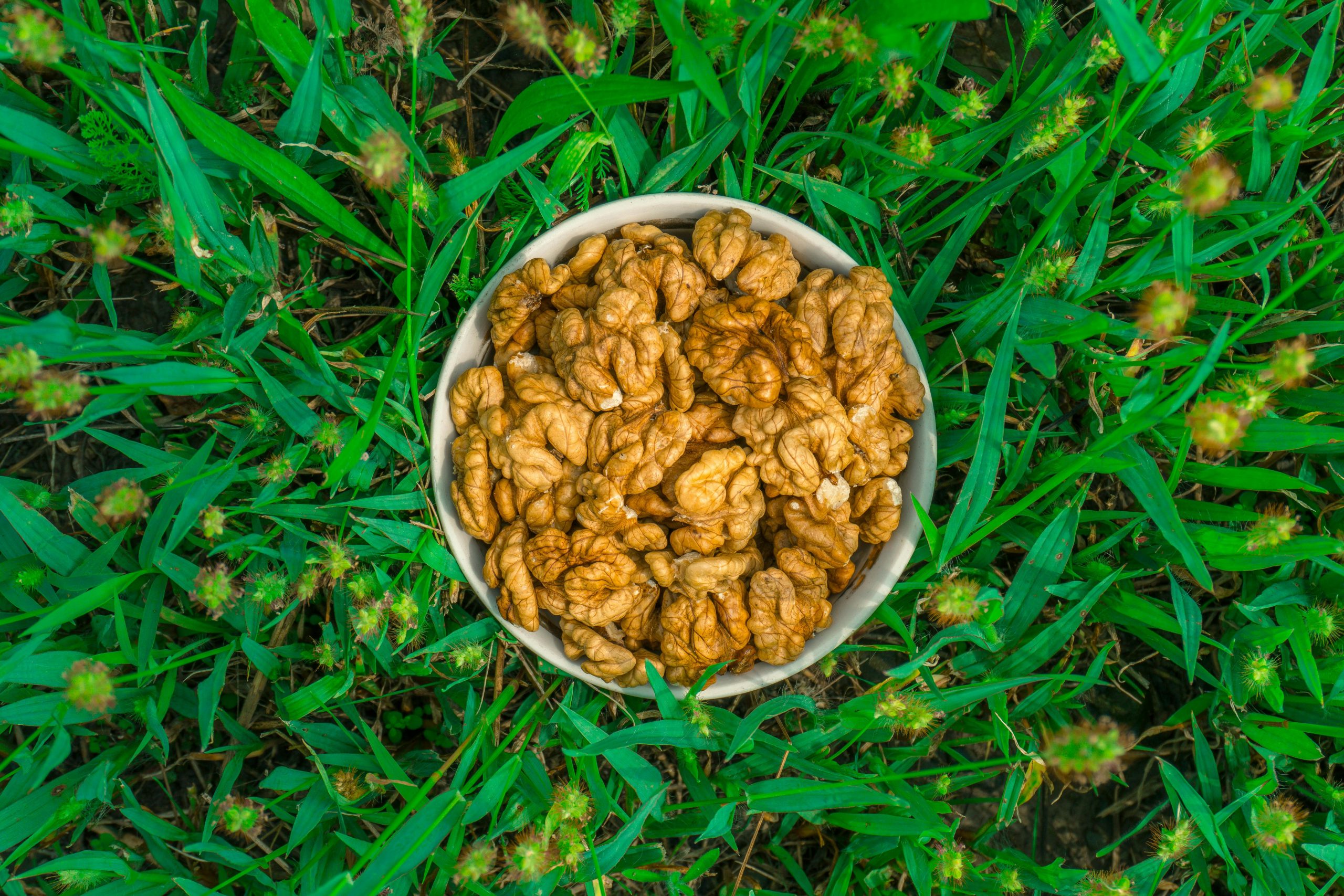
· Add toasted nuts or seeds to soft dishes
· Include something crisp in otherwise soft meals
· Use vegetable purees to create creaminess without cream
· Experiment with different cooking methods for the same ingredient
Part 6: The Spice Spectrum
Beyond just adding heat, spices contain complex volatile oils that interact with our olfactory system in sophisticated ways. Toasting whole spices before grinding releases these oils, creating deeper, more nuanced flavors.
The health benefit is twofold: spices allow us to reduce salt and sugar while providing their own antioxidant and anti-inflammatory compounds. That teaspoon of cinnamon isn’t just adding warmth – it’s adding medicine.
Part 7: The Layering Principle
The most flavorful healthy dishes don’t rely on one technique but layer multiple approaches. A simple vegetable soup becomes extraordinary when you:
· Roast the vegetables first (Maillard reaction)
· Add mushrooms (umami)
· Finish with fresh herbs and a squeeze of lemon (freshness and acid)
· Include a sprinkle of toasted seeds (texture)
The Flavor-First Philosophy
Adopting a flavor-maximizing approach transforms healthy cooking from a chore into a creative adventure. Instead of thinking “what can’t I eat,” you begin thinking “how can I make this incredibly delicious?”
Start with one technique. Maybe it’s learning to properly roast vegetables or experimenting with fresh herbs. Notice how these small changes transform your satisfaction with healthy foods. Pay attention to how your cravings shift when your healthy food actually tastes amazing.
Because the ultimate secret to sustainable healthy eating isn’t willpower – it’s enjoyment. And when you unlock the tools to make healthy food genuinely delicious, you’re not just eating better – you’re living better, one flavor-packed bite at a time.
Leave a Reply