You’ve counted every calorie, weighed every portion, and chosen the healthiest foods possible. Yet, you still feel unsatisfied. The problem might not be in your food, but in your head. The field of food psychology reveals a fascinating truth: our minds are the silent architects of our appetite, and understanding this can be the key to eating well without feeling like you’re on a constant diet.
Part 1: The Illusion of Fullness: Size Matters
Your stomach might not have a built-in measuring cup, but your eyes do. We are profoundly visual creatures, and we rely heavily on visual cues to determine how much we’ve eaten and how full we will feel.
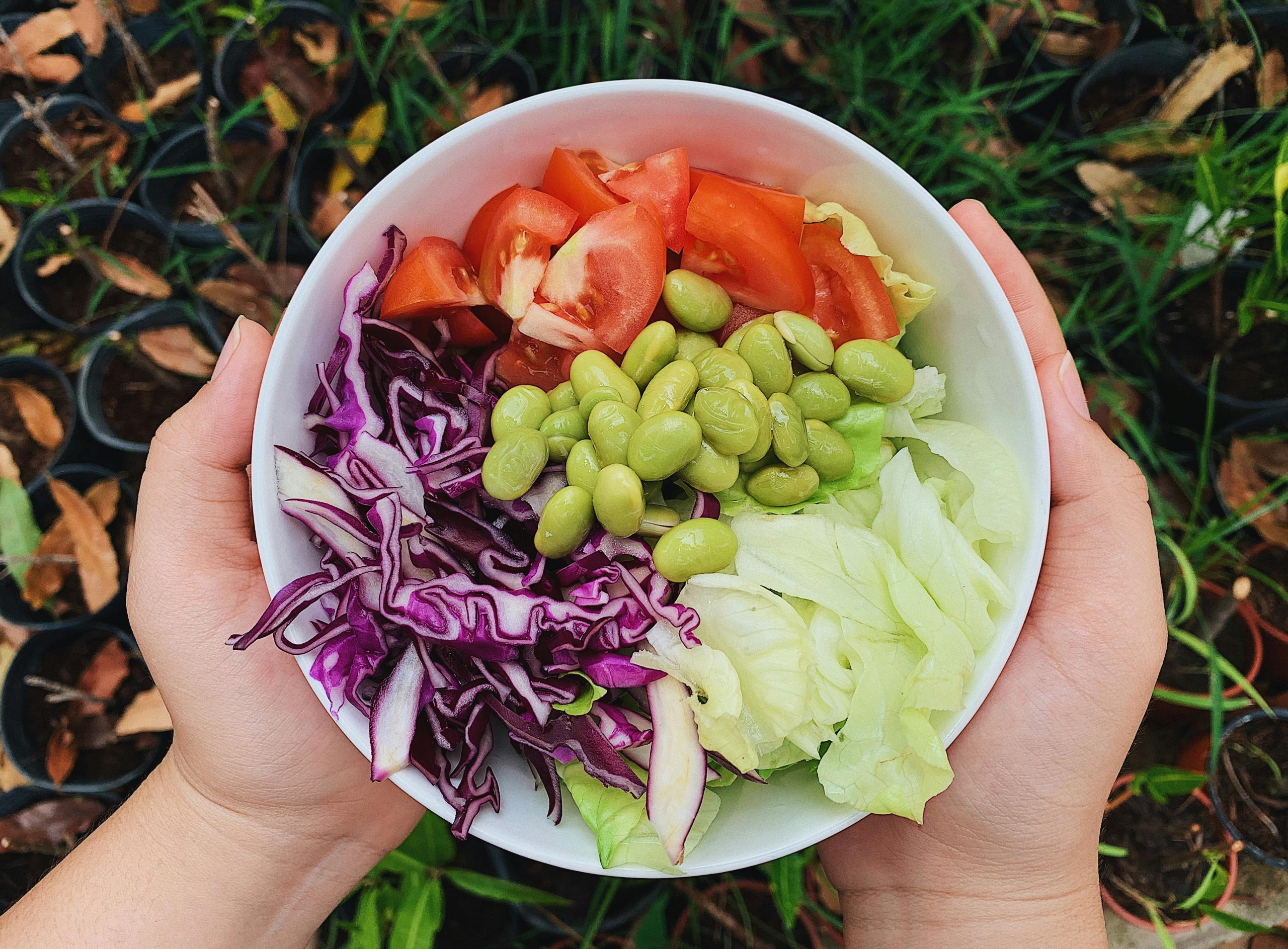
· The Plate Size Illusion: Identical portions of food will look dramatically different on a large dinner plate versus a small salad plate. On the big plate, it looks like a meager snack, triggering a sense of deprivation. On the small plate, the very same amount looks like a generous, abundant meal, signaling to your brain that you’re about to be satisfied. Downsizing your plates is one of the simplest and most effective tricks to feel more content with less food.
· The Color Contrast Effect: The color of your plate can also influence how much you serve yourself. Research has shown that when there is a low color contrast between the food and the plate (e.g., pasta with alfredo sauce on a white plate), people serve themselves significantly more. A high color contrast (e.g., the same pasta on a dark blue plate) makes the portion more visually distinct, leading to more mindful serving sizes.
Part 2: The Halo and Horn Effect: The “Health Halo” Deception
We love to categorize foods as “healthy” or “unhealthy.” This tendency creates a “health halo” effect. When a food is labeled as organic, gluten-free, or low-fat, we subconsciously assume it is also lower in calories and less filling, leading us to consume larger portions.
That gluten-free, “all-natural” muffin might be perceived as a lighter choice, prompting you to eat the whole thing or pair it with a latte, ultimately consuming more calories than you would from a regular muffin you viewed as a treat. The “health halo” can be a major pitfall, turning virtuous choices into overconsumption.
Part 3: The Power of Distraction: The Mindless Munchies
Eating while distracted is a surefire way to consume more and enjoy it less. When your brain is focused on a screen, a book, or the road, it fails to fully register the sensory experience of eating.
· The Memory-Meal Link: Your memory of a meal plays a crucial role in satiety. If you don’t remember eating because you were distracted, you’re likely to feel hungry again sooner. A study famously showed that people who ate lunch while playing a computer game felt less full and ate significantly more snacks later than those who ate without distraction.
· The Pace of Pleasure: Distraction makes us eat faster. Rapid eating doesn’t give your stomach enough time to signal to your brain that it’s full. By the time the “I’m full” signal arrives, you’ve already overshot your needs.
Part 4: Rewiring Your Food Brain: Strategies for Smarter Eating
You can use these psychological principles to your advantage.
1. Create a Mealtime Ritual. Set the table, even if you’re alone. Sit down. Light a candle. This simple act tells your brain, “This is an important event,” shifting you out of autopilot and into a mindful state.
2. Use Smaller, Contrasting Tableware. Serve your main course on a small, colorful plate. Drink from a tall, slender glass instead of a short, wide one—we perceive tall glasses as holding more volume, which can help us feel we’ve had more to drink.
3. Plate in the Kitchen, Not at the Table. Instead of serving family-style from platters on the table, which encourages second and third helpings, plate your intended portion in the kitchen. This creates a definitive end to the meal.
4. Embrace the 20-Minute Rule. After finishing your plate, commit to waiting 20 minutes before considering a second helping. It often takes that long for the fullness signal to fully reach your brain. You’ll often find the desire for more has vanished.
Conclusion: Your Mind is the Most Important Tool in the Kitchen
The journey to a healthier relationship with food isn’t just about learning nutrition facts; it’s about understanding the psychology of your own appetite. By becoming aware of the visual tricks, cognitive biases, and environmental cues that drive overeating, you can reclaim control. You can design your environment and your habits to work with your psychology, not against it. Turn off the screen, downsize your dish, and savor the moment. The most powerful ingredient for satisfaction was in your mind all along.
Leave a Reply