In our age of delivery apps and meal kits, we’ve outsourced one of life’s most fundamental skills: cooking. We’ve been sold the idea that cooking is a chore, a time-suck, an inconvenience. But what if we’ve been thinking about it all wrong? Cooking isn’t just about feeding ourselves – it’s one of the most powerful acts of self-care we can practice.
Part 1: The Control Factor
When you cook for yourself, you become the CEO of your ingredients. You control the salt, the sugar, the quality of oils, and the portion sizes. Consider this: the average restaurant meal contains more than a day’s worth of sodium and often uses cheaper, inflammatory oils. When you cook at home, you’re not just making food – you’re making conscious decisions about your health.
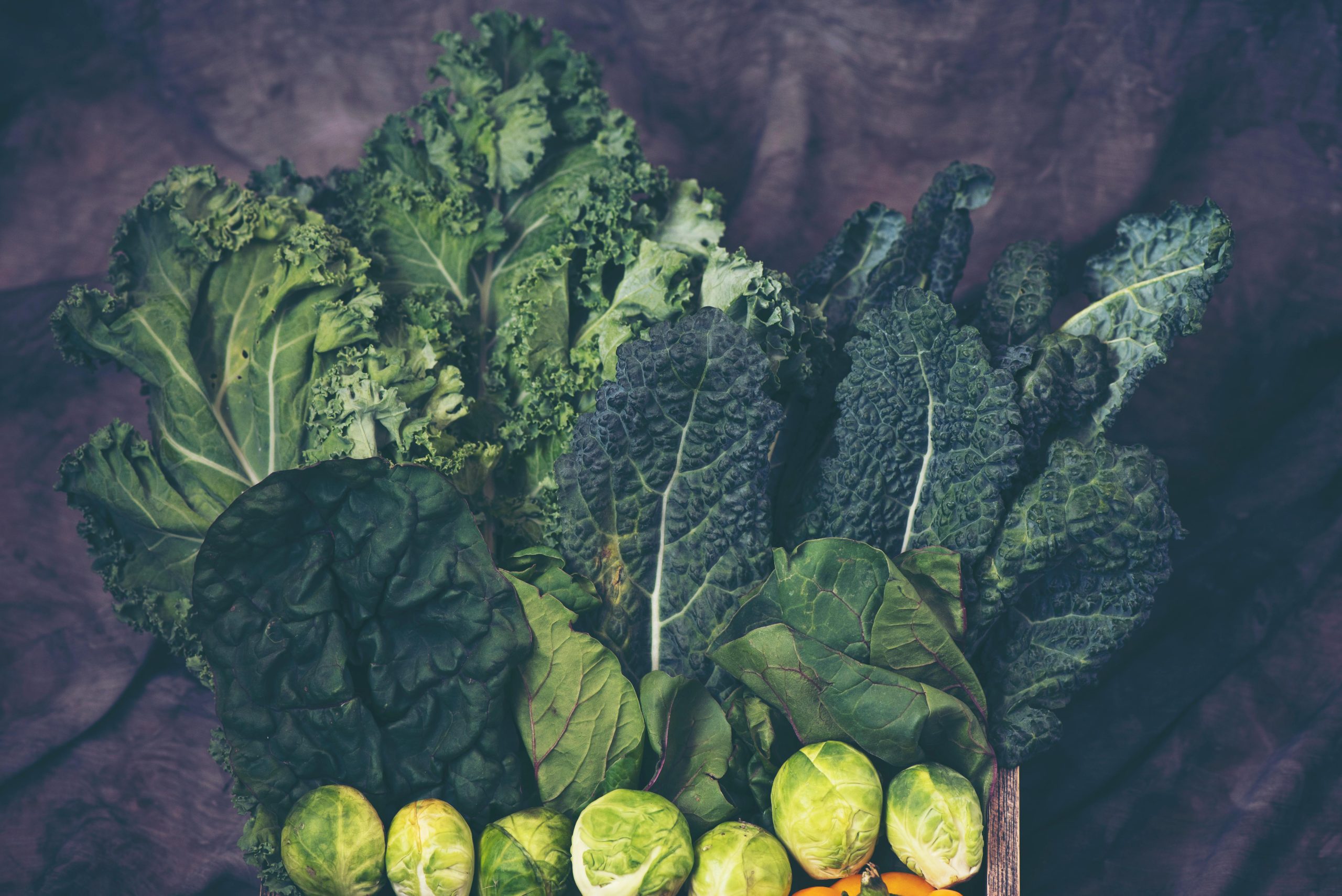
But it’s not just about what you’re avoiding – it’s about what you’re adding. That extra handful of vegetables, the sprinkle of flaxseeds, the use of fresh herbs – these small choices compound into significant health benefits over time.
Part 2: The Mindful Meditation
We often view cooking as something to get through quickly, but the process itself can be therapeutic. The rhythmic chopping of vegetables, the sensory experience of aromas filling your kitchen, the focused attention required – these elements make cooking a form of active meditation.
Studies show that engaging in creative processes like cooking can reduce stress and improve mood. The act of transforming raw ingredients into a nourishing meal provides a sense of accomplishment that scrolling through a food delivery app can never match.
Part 3: The Financial Freedom
The “I don’t have time to cook” argument often ignores the time-money equation. That $25 delivery order for one person could have bought ingredients for several home-cooked meals. The average meal cooked at home costs about half the price of a restaurant meal and a third of the price of delivery.
But the real savings aren’t just financial – they’re health-related. The medical costs associated with poor diet-related health conditions dwarf any temporary convenience savings from eating out regularly.
Part 4: The Skill Stack Advantage
Learning to cook is like investing in a skill that pays dividends for life. Start with mastering a few fundamental techniques:
The art of roasting vegetables transforms them from boring sides into caramelized delights. The secret? High heat, enough oil, and don’t crowd the pan.
Learning to make a simple pan sauce can elevate basic proteins into restaurant-quality dishes. Deglazing with broth or wine and whisking in some butter creates magic in minutes.
Understanding how to balance flavors – acid to brighten, salt to enhance, sweetness to balance bitterness – turns you from someone who follows recipes into someone who creates them.
Part 5: The Connection Component
Cooking connects us to our food in a way that takeout never can. When you cook, you develop an understanding of seasons, ingredients, and traditions. You appreciate the effort that goes into food preparation, which naturally leads to more mindful eating.
This connection extends to relationships too. Cooking for others is an act of love and care. The shared experience of preparing and eating a meal together creates bonds that last long after the dishes are cleaned.
Part 6: The Time Myth
The “no time to cook” narrative deserves closer examination. Many flavorful, nutritious meals can be prepared in 30 minutes or less – about the same time it takes for delivery to arrive.
The secret isn’t having more time, but working smarter:
· Master a few 15-minute meals you can make on busy nights
· Embrace “component cooking” – preparing elements that can be mixed and matched throughout the week
· Learn which shortcuts are worth it (pre-chopped vegetables) and which aren’t (most pre-made sauces)
The Kitchen Revolution
Rediscovering home cooking isn’t about becoming a gourmet chef or spending hours in the kitchen every day. It’s about reclaiming a fundamental human skill that nourishes your body, mind, and relationships.
Start small. Master one new recipe this week. Invest in one good knife. Plant a small herb garden. Each small step brings you closer to the profound satisfaction of creating something nourishing with your own hands.
In a world that encourages us to outsource and optimize everything, cooking remains a revolutionary act of self-sufficiency and care. Your kitchen is waiting to become not just a room where food is stored, but a space where health is created, connections are strengthened, and the simple, profound joy of creating something delicious is rediscovered.
Leave a Reply