We’ve all felt the sugar rush and subsequent crash, but the connection between  what we eat and how we feel runs much deeper than temporary energy swings. Emerging research in nutritional psychiatry reveals that our diet directly influences everything from daily mood fluctuations to long-term mental health. The old adage “you are what you eat” might be more accurately stated as “you feel how you eat.”
Part 1: The Gut-Brain Axis Superhighway
Your gut and brain are in constant conversation through what scientists call the gut-brain axis. This isn’t just metaphorical – it’s a physical connection involving the vagus nerve, neurotransmitters, and gut bacteria. In fact, about 90% of serotonin (your “feel-good” neurotransmitter) is produced in your gut, not your brain.
The implications are profound: when you feed your gut well, you’re essentially feeding your mood. A diverse microbiome supported by fiber-rich foods produces compounds that reduce inflammation and support brain health, while a poor diet can trigger inflammatory responses that negatively affect mood.
Part 2: The Blood Sugar Roller Coaster
The relationship between blood sugar and mood is immediate and dramatic. When you consume refined carbohydrates and sugar, your blood glucose spikes rapidly, followed by an equally rapid crash. These crashes trigger the release of stress hormones like cortisol and adrenaline, leaving you feeling anxious, irritable, and tired.
Stable blood sugar, achieved through balanced meals with protein, healthy fats, and fiber, provides the steady energy foundation for stable moods. The difference is like comparing a smooth country road to a bumpy roller coaster – both might get you there, but one is much more pleasant for your nervous system.
Part 3: The Inflammation Connection
Chronic inflammation doesn’t just affect your joints – it significantly impacts brain health. When your body is in a state of systemic inflammation, inflammatory cytokines can cross the blood-brain barrier, contributing to brain fog, fatigue, and low mood.
The standard Western diet – high in processed foods, sugar, and unhealthy fats – is inherently inflammatory. Meanwhile, anti-inflammatory foods like fatty fish, berries, leafy greens, and olive oil can help calm this inflammatory response, creating better conditions for mental clarity and emotional balance.
Part 4: The Nutrient Gap
Specific nutrient deficiencies have been strongly linked to mood disorders. For example:
· Omega-3 fatty acids are crucial for brain cell membrane fluidity
· B vitamins act as cofactors in neurotransmitter production
· Magnesium plays a key role in regulating the stress response
· Zinc deficiency has been linked to depressive symptoms
The solution isn’t necessarily supplements, but rather ensuring your diet includes a wide variety of nutrient-dense foods that provide these mental health essentials.
Part 5: The Practical Mood-Food Prescription
So what does a mood-supportive diet actually look like in practice?
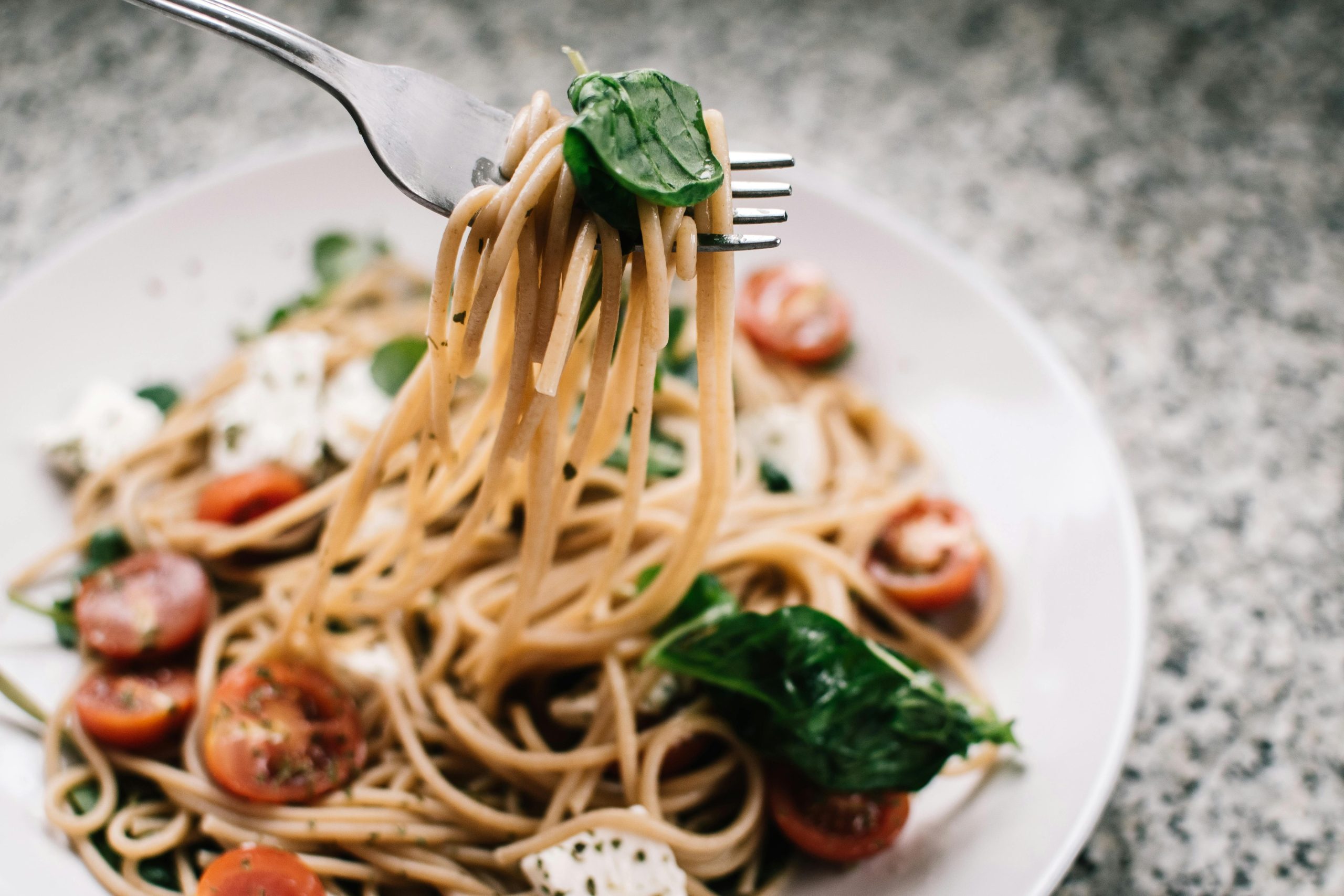
The Mediterranean diet pattern consistently shows benefits for mental health – plenty of vegetables, fruits, whole grains, fish, and olive oil. The diversity of plants provides polyphenols that support gut health and reduce inflammation.
Regular meal timing matters more than you might think. Going too long between meals can cause blood sugar dips that trigger anxiety and irritability. Consistent, balanced eating provides a stable foundation for emotional resilience.
Part 6: The Mindful Eating Component
How you eat may be as important as what you eat when it comes to mood. Stress eating while distracted can become a missed opportunity for true nourishment and self-care. Taking even five minutes to eat mindfully – noticing flavors, textures, and your body’s hunger signals – can transform eating from a task into a therapeutic practice.
The Emotional Plate
Ultimately, the food-mood connection invites us to see every meal as an opportunity to support not just our physical health, but our emotional wellbeing. This doesn’t mean never enjoying comfort foods, but rather building a foundation of mood-supportive eating that leaves room for all foods.
Start by simply noticing how different foods make you feel – not just immediately after eating, but hours later. Does a vegetable-rich lunch leave you feeling clear and energized? Does a heavy, processed meal leave you feeling sluggish and irritable?
Your body is constantly giving you feedback about what works for your unique biochemistry. By paying attention to these signals, you can gradually shape a diet that supports not just your body, but your mind and mood too.
After all, in the journey toward wellbeing, what could be more important than nourishing the very instrument through which we experience life – our minds?
Leave a Reply