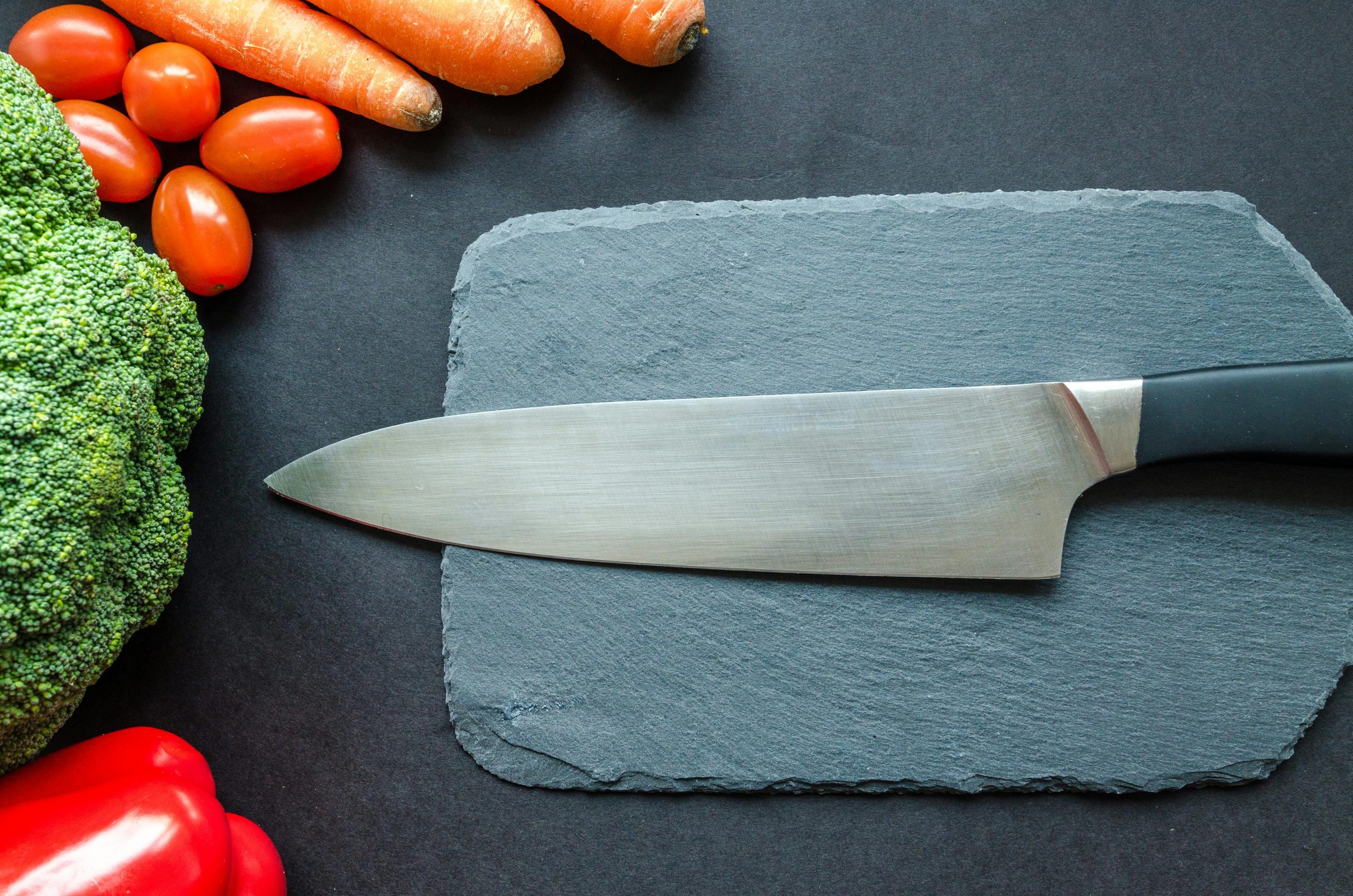
What if the secret to a long, vibrant life wasn’t found in a supplement bottle, but sim mering on the stove? From the sun-drenched islands of Okinawa to the rugged mountains of Sardinia, the world’s longest-lived people share surprising similarities in how they approach food. Their wisdom, refined over generations, offers practical lessons we can all bring into our own kitchens.
Part 1: The 80% Rule
In Okinawa, Japan, centenarians live by the principle of “hara hachi bu” – eating until they’re 80% full. This isn’t about deprivation, but about tuning into their body’s signals and stopping before feeling stuffed. The result? They naturally consume fewer calories without counting or measuring.
Try this: Pause halfway through your meal. Check in with your hunger levels. Eat slowly enough to notice when you’re comfortably satisfied, not full. This simple practice alone can transform your relationship with food.
Part 2: The Plant-Based Foundation
While not strictly vegetarian, the diets of the world’s healthiest cultures are built on a foundation of plants. Beans, lentils, and vegetables form the core of most meals, with meat treated as a flavoring or special occasion food rather than the main event.
The Mediterranean tradition gets it right: plenty of leafy greens, tomatoes, eggplants, and legumes, all dressed with olive oil and herbs. The result is a diet rich in fiber, antioxidants, and healthy fats.
Part 3: The Whole Food Advantage
Notice what’s missing from traditional longevity diets: processed foods. These cultures eat food in forms their grandparents would recognize – whole grains instead of refined flour, fresh fruit instead of juice, traditional fermented foods rather than products with “added probiotics.”
This isn’t about perfection, but proportion. Make whole, minimally processed foods the foundation, and there’s room for everything else in moderation.
Part 4: The Social Seasoning
In Sardinia, Greece, and other Blue Zones, meals are social events. Food is shared, conversations are long, and the experience of eating is as important as the food itself. This social connection reduces stress and naturally slows the pace of eating.
Try making one meal each day a device-free, mindful experience shared with others. The nutritional benefits might surprise you.
Part 5: The Movement Integration
In traditional cultures, food preparation is physical work – kneading bread, grinding spices, working in gardens. This “incidental exercise” connects people to their food while keeping them active.
While we might not be grinding our own flour, we can choose more active food preparation methods – chopping vegetables by hand, using a mortar and pestle for spices, or visiting farmers markets.
Part 6: The Flavor Trinity
Long-lived cultures share a common approach to flavoring food: they rely on herbs, spices, and aromatics rather than salt, sugar, and processed sauces.
The result? Meals that are both delicious and therapeutic. Turmeric in curry, rosemary on roasted vegetables, garlic and oregano in tomato sauce – these aren’t just flavor enhancers but medicinal compounds in disguise.
Part 7: The Seasonal Rhythm
Before global shipping made everything available year-round, people ate what was in season. This natural variation ensured a diverse intake of nutrients throughout the year and created anticipation for seasonal treats.
While we have more choices now, there’s wisdom in eating with the seasons. Seasonal produce often tastes better, costs less, and connects us to natural cycles.
Bringing It Home
You don’t need to move to a Greek island to benefit from this wisdom. Start with one practice that resonates with you. Maybe it’s eating until you’re 80% full, or making one additional plant-based meal each week, or spending Sunday afternoon preparing food with family.
The goal isn’t to perfectly replicate any one culture’s diet, but to incorporate the principles that make these diets so powerful: plants at the center, whole foods, mindful eating, social connection, and joyful movement.
After all, the true secret to longevity eating isn’t found in any single superfood, but in the accumulated wisdom of how people have eaten for centuries – with pleasure, purpose, and presence. Your kitchen, no matter where it is, can become a longevity kitchen starting with your very next meal.
Leave a Reply