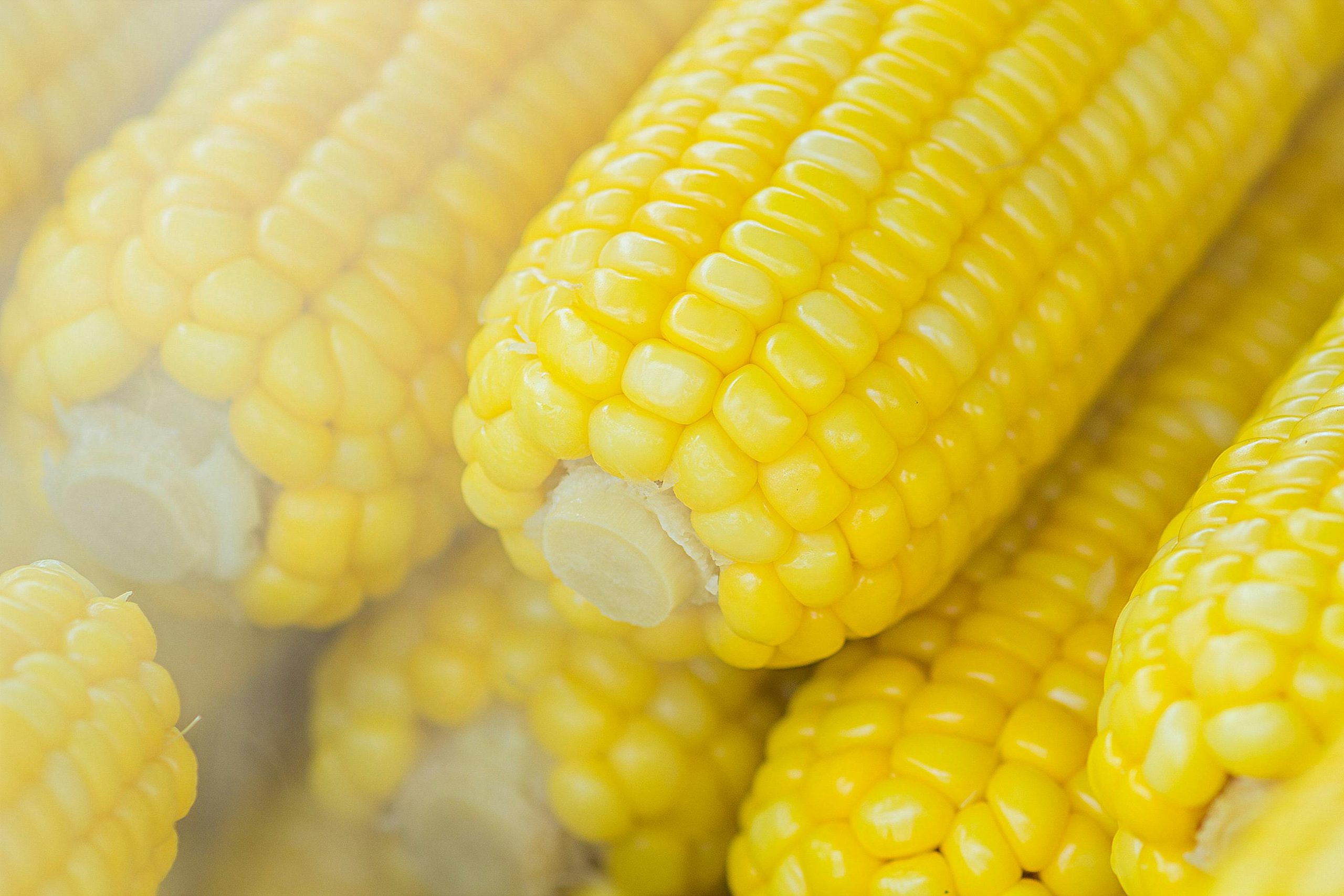

In our globalized world, we can eat strawberries in December and squash in July. But what if this constant availability comes at a cost to both our health and the environment? There’s profound wisdom in eating with the seasons – and our bodies have known this all along.
Part 1: The Nutrient Timing Secret
Seasonal produce harvested at its peak doesn’t just taste better – it’s more nutritious. Studies show that vegetables and fruits allowed to ripen naturally in the sun develop higher levels of vitamins and antioxidants. That tomato grown locally in August may contain up to 30% more vitamins than its greenhouse-grown January counterpart.
But the benefits go deeper: the nutrients in seasonal foods often align perfectly with what our bodies need during that time of year. The beta-carotene in fall squash supports immune function just as cold season approaches. The high water content of summer melons helps with hydration in the heat.
Part 2: The Flavor Revolution
When you taste a strawberry in June that actually tastes like a strawberry, something shifts. Seasonal eating reawakens our taste buds to what food is supposed to taste like. No more bland tomatoes, mealy apples, or tasteless berries. Every bite becomes a revelation.
This improved flavor makes healthy eating effortless. When vegetables taste this good, you don’t need to drown them in dressings or sauces. Simple preparation lets the natural flavors shine.
Part 3: The Environmental Equation
Eating seasonally often means eating locally, which significantly reduces the environmental cost of transportation. But it’s not just about food miles – it’s about agricultural practices. Seasonal crops require less artificial support like pesticides and grow lights, making them better for the soil and ecosystem.
Part 4: The Budget Bonus
Here’s the beautiful paradox: the most flavorful, nutritious produce is often the cheapest. When crops are in season and abundant, prices drop dramatically. That $8 pint of winter blueberries becomes $3 in summer. Those $4 winter tomatoes become $1.50 in August.
Part 5: The Connection Restoration
Eating seasonally reconnects us to natural rhythms and our local environment. It gives us something to look forward to – the first asparagus of spring, the first corn of summer, the first apples of fall. This anticipation makes eating more joyful and mindful.
Part 6: The Practical Guide
Getting started is simpler than you think:
· Shop at farmers markets and ask what’s fresh
· Join a CSA (Community Supported Agriculture) box
· Notice what’s on sale at your grocery store – sales often reflect what’s in season
· Learn to preserve seasonal abundance through freezing, canning, or drying
Part 7: The Winter Wisdom
Seasonal eating isn’t just about fresh produce. Winter brings its own wisdom – stored foods like potatoes and onions, preserved foods like canned tomatoes, and hearty greens like kale that sweeten with frost. Each season has its gifts.
The Rhythm of Nourishment
Eating seasonally isn’t about restriction – it’s about abundance. It’s recognizing that nature provides exactly what we need, exactly when we need it. The light salads of summer, the grounding root vegetables of winter, the cleansing greens of spring – each season supports our health in different ways.
Start small. Notice what’s in season where you live right now. Buy those things. Taste the difference. Feel how your body responds. You might discover that your cravings naturally align with what’s growing – that you want cooling foods in summer and warming foods in winter.
Your body has always known how to eat seasonally. It’s time to remember.
Leave a Reply