
In a world of overwhelming nutrition advice and endless food choices, what if the secret to better health wasn’t about adding new superfoods to your diet, but about upgrading the foods already in your kitchen? Welcome to the art of nutritional optimization – where small, strategic changes can dramatically increase the health benefits of every meal.
Part 1: The Cooking Method Multiplier
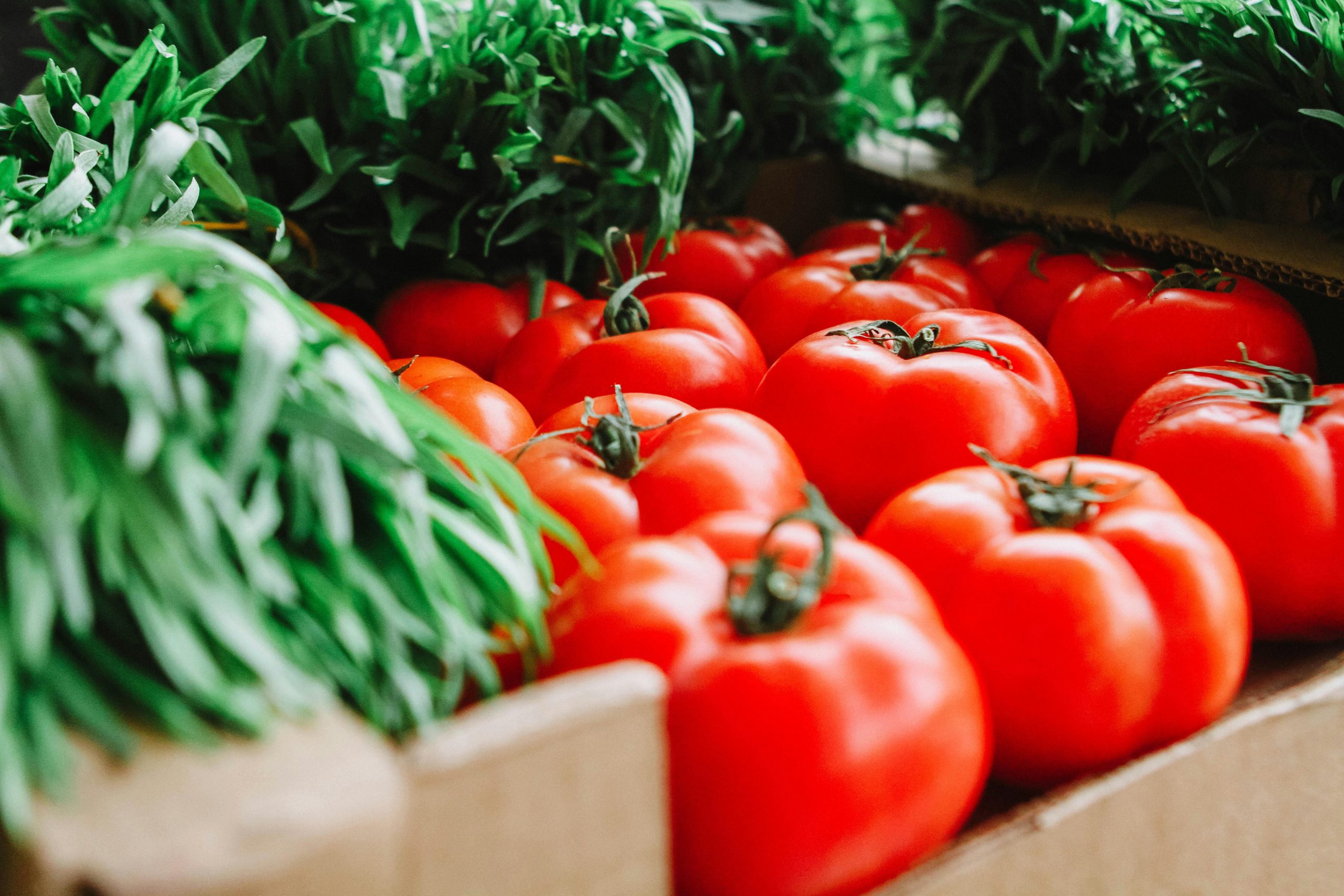
How you cook can be as important as what you cook. Tomatoes, for instance, release more bioavailable lycopene when cooked. Steaming broccoli preserves its cancer-fighting sulforaphane better than boiling. Soaking grains reduces phytic acid, making their minerals more absorbable.
These aren’t complicated techniques – they’re simple adjustments. Roast those tomatoes into a rich sauce. Steam broccoli until bright green rather than boiling it to mush. Soak your oatmeal overnight. Small changes, significant nutritional rewards.
Part 2: The Pairing Principle
Some nutrients work better together. The vitamin C in bell peppers helps you absorb the iron from spinach. The healthy fats in avocado increase your absorption of antioxidants in vegetables. This isn’t just about eating healthy foods – it’s about helping your body actually use them.
Think of your plate as a team where players support each other. That kale salad becomes more nutritious with lemon juice and olive oil. The turmeric in your curry works better with black pepper. The iron in your lentils becomes more available with tomato sauce.
Part 3: The Ripeness Factor
Nutrient content changes as foods ripen. Green bananas contain resistant starch, great for gut health. Ripe bananas offer more easily digestible sugars for quick energy. Understanding these differences lets you choose what your body needs.
This extends to how we store food too. Garlic’s heart-healthy allicin increases when crushed and left to sit before cooking. Potatoes’ resistant starch increases when cooked and cooled for salad. Knowledge turns ordinary foods into nutritional powerhouses.
Part 4: The Strategic Swaps
You don’t need to overhaul your entire diet to significantly upgrade its nutritional value. Small substitutions can yield dramatic results:
· Swap white rice for quinoa or farro (adds protein and fiber)
· Exchange iceberg lettuce for romaine or arugula (more vitamins and minerals)
· Trade plain yogurt for Greek yogurt (more protein)
· Replace sugar with mashed banana in baking (adds nutrients while sweetening)
Part 5: The Enhancement Add-Ins
Sometimes the most powerful upgrades come from what you add rather than what you remove:
· Sprinkle nutritional yeast on popcorn for B vitamins
· Add flax or chia seeds to smoothies for omega-3s
· Mix grated vegetables into meatballs or sauces
· Stir wheat germ into oatmeal for vitamin E
These tiny additions cost little in calories but pay huge nutritional dividends.
Part 6: The Freshness Factor
Nutrient loss begins the moment produce is harvested. While frozen vegetables are nutritionally excellent (they’re frozen at peak freshness), if you’re buying fresh, consider:
· Shopping more frequently for smaller quantities
· Choosing locally grown when possible (less transport time)
· Storing produce properly to preserve nutrients
· Using vegetables sooner rather than later
Part 7: The Mindset Shift
Ultimately, nutritional upgrading is about shifting from seeing food as merely fuel to seeing it as an opportunity for nourishment. It’s the difference between eating a salad and eating a salad that’s been optimally prepared to deliver maximum nutrition.
This approach turns cooking from a chore into a creative act of self-care. That simple act of adding some black pepper to your turmeric latte or letting your crushed garlic sit before cooking becomes a small act of nutritional wisdom.
The Upgrade Journey
Start with one upgrade this week. Maybe it’s switching your cooking method for one vegetable or making one strategic food pairing. Notice how these small changes make you feel. Then add another.
Before long, you’ll find yourself automatically thinking about how to maximize the nutritional value of every meal. Not because you have to, but because you’ve experienced the difference it makes in how you feel.
The goal isn’t perfection – it’s progress. Each small upgrade compounds over time, transforming your relationship with food from one of mere consumption to one of intentional nourishment. Your future self will thank you for every smart swap, every strategic pairing, every small act of nutritional wisdom.
Leave a Reply