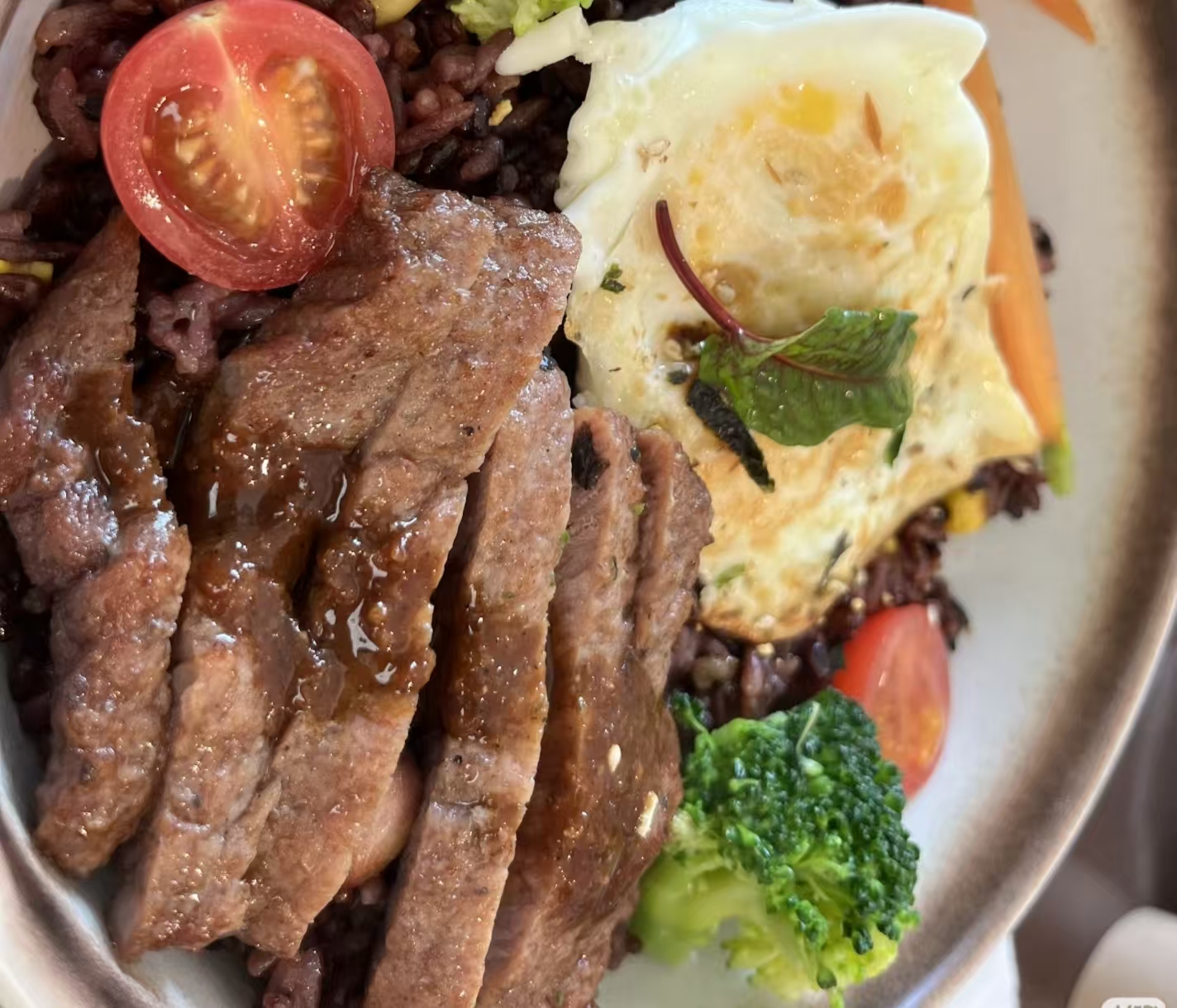
We’ve all experienced it: that magical moment when a few simple ingredients are transformed into a dish that is exponentially greater than the sum of its parts. This isn’t mere cooking; it’s culinary alchemy. While chefs may appear to work with intuition and artistry, much of their magic is actually rooted in fundamental scientific principles. Understanding these principles doesn’t diminish the romance of cooking—it amplifies it, giving you the keys to consistently create extraordinary food in your own kitchen.
The Maillard Reaction: The Cornerstone of Flavor
If there is one chemical reaction that can be called the secret to deliciousness, it is the Maillard reaction (pronounced “my-YAR”). This is the complex process responsible for the beautiful brown crust on a seared steak, the golden surface of baked bread, and the deep color and aroma of roasted coffee.
· What it is: The Maillard reaction occurs when amino acids (the building blocks of proteins) and reducing sugars are heated together. It’s not the same as caramelization (which involves sugars alone). It produces hundreds of different flavor compounds, creating the complex, savory, and deeply appealing tastes we associate with cooked, browned food.
· How to Harness It:
· Pat Dry: Moisture is the enemy of browning. For a perfect sear on meat or fish, pat the surface thoroughly dry with a paper towel before it hits the pan.
· Don’t Crowd the Pan: Adding too much food to a pan lowers the temperature dramatically and creates steam, leading to boiled or steamed food instead of beautifully browned food.
· Use High Heat: A sufficiently hot surface is crucial to kick-start the reaction before the interior overcooks.
Umami: The Fifth Taste and Your Flavor Amplifier
Beyond sweet, salty, sour, and bitter lies the fifth taste: umami. It’s the savory, mouth-filling, deeply satisfying taste found in foods like Parmesan cheese, mushrooms, soy sauce, and ripe tomatoes. Umami acts as a flavor catalyst, rounding out and enhancing the other tastes in a dish.
· The Science of Satisfaction: Umami is primarily attributed to glutamate, an amino acid. When it hits your tongue, it signals to your brain that you’re consuming something protein-rich and nutritious, creating a sense of deep satisfaction.
· How to Harness It:
· The Power of the Pantry: Keep umami-rich ingredients on hand to add a savory “oomph” to any dish. A splash of soy sauce in a beef stew, a sprinkle of Parmesan over roasted vegetables, or a tablespoon of tomato paste sautéed with your onions can transform a good dish into a great one.
· Layering: Combine multiple umami sources for a synergistic effect. A mushroom and Parmesan risotto or a Bolognese sauce (with tomatoes, meat, and Parmesan) are classic examples of layered umami creating incredible depth of flavor.
The Science of Texture: The Unsung Hero of a Great Dish
Flavor is not just about taste and smell; texture is a critical, and often overlooked, component. The contrast between textures can elevate a dish from monotonous to memorable.
· The Role of Contrast: Think of the perfect dessert: a creamy crème brûlée with a shatteringly crisp caramelized sugar top. Or a salad: crisp lettuce, creamy avocado, and crunchy croutons. Our mouths crave this variety. It makes the eating experience more dynamic and engaging.
· How to Harness It:
· Be Intentional: When planning a meal, consider the textures. If your main course is soft and braised (like a curry), serve it with a crunchy side salad or a crispy flatbread.
· Simple Techniques: A quick toast of nuts or seeds, a fry of crispy shallots or garlic as a garnish, or a sprinkle of coarse sea salt at the end can introduce a crucial textural element with minimal effort.
Emulsions: The Magic of Making Oil and Water Mix
From a simple vinaigrette to a silky hollandaise sauce, emulsions are the foundation of many sauces and dressings. An emulsion is a stable mixture of two liquids that normally don’t want to mix, like oil and water (or vinegar).
· The Stabilizer’s Role: To create a stable emulsion, you need an emulsifier—a substance that acts as a bridge between the two liquids. In a classic vinaigrette, mustard acts as the emulsifier. In mayonnaise, it’s the lecithin in the egg yolk.
· How to Harness It:
· “Slow and Steady Wins the Race”: When making mayonnaise or aioli, the key is to add the oil very slowly, drop by drop at first, while whisking vigorously. This allows the emulsifier to properly surround each tiny droplet of oil and suspend it in the water-based liquid.
· Fix a Broken Sauce: If your emulsion breaks and separates, don’t panic. Start with a fresh egg yolk or a spoonful of mustard in a clean bowl and slowly whisk in the broken sauce. It will usually come right back together.
The Grand Finale: You Are the Alchemist
Understanding these scientific principles is like being given a map to a hidden treasure. It demystifies the process of cooking and empowers you to move beyond simply following recipes. You begin to understand why you’re doing what you’re doing, which is the first step toward true creativity in the kitchen.
The next time you sear a piece of meat, deglaze a pan, or whisk a vinaigrette, remember the beautiful, invisible chemistry at work. You are not just a cook; you are an alchemist, conducting a symphony of flavor, texture, and reaction. Your kitchen is your laboratory, and the results are deliciously edible proof of science in action.
—
Now, if you’ll excuse me, I have some onions to caramelize. There’s a complex series of chemical reactions waiting to happen in my skillet, and I wouldn’t want to keep the science—or my dinner—waiting.
Leave a Reply