Forget what you know about food just being fuel. It’s time to introduce you to the most powerful, under-the-radar relationship in your body: the gut-brain axis. This is the constant, intimate chatter between your digestive system and your brain. And what you put on your fork is the main topic of conversation. Understanding this can change everything from your mood to your metabolism.
Part 1: Meet Your Second Brain (It’s in Your Gut)
If you’ve ever had a “gut feeling” about something or felt butterflies before a date, you’ve experienced the gut-brain connection firsthand. Your gut doesn’t just passively accept the food you send down; it talks back. Loudly.
This happens via a few key channels:
1. The Vagus Nerve: Think of this as the super-highway of communication running from your brain to your gut. It’s a two-way street, with about 80-90% of the traffic going from your gut to your brain. Your gut is doing most of the talking!
2. Neurotransmitters: Your gut produces a staggering amount of your body’s mood-regulating chemicals. For instance, about 95% of your serotonin—the famous “feel-good” neurotransmitter—is made in your digestive tract. You read that right. Your happiness is largely a gut reaction.
3. The Microbiome: This is the star of the show. Your gut is home to trillions of bacteria, collectively known as your microbiome. These tiny tenants aren’t just sitting there; they’re producing chemicals that can directly influence your brain health, your cravings, and even your stress levels.
Part 2: Are You Feeding Your Inner Zoo, or Starving It?
Your microbiome is like a diverse, internal ecosystem. You want a wide variety of species—some are the peaceful gardeners that calm inflammation, others are the warriors that fight off pathogens. A poor diet, high in processed foods and sugar, is like a hostile corporate takeover. It wipes out the diversity, allowing a few “bad guy” species to thrive. This state, known as dysbiosis, has been linked to everything from anxiety and depression to brain fog and poor sleep.
So, how do you become a five-star landlord to these microscopic lifeforms? You feed them what they love.
· Probiotics: The New Tenants. These are the live, beneficial bacteria themselves. You can invite them in by eating fermented foods. Think of yogurt with live cultures, tangy kefir, pungent kimchi, and sauerkraut. These are like sending out a welcome party for the good guys.
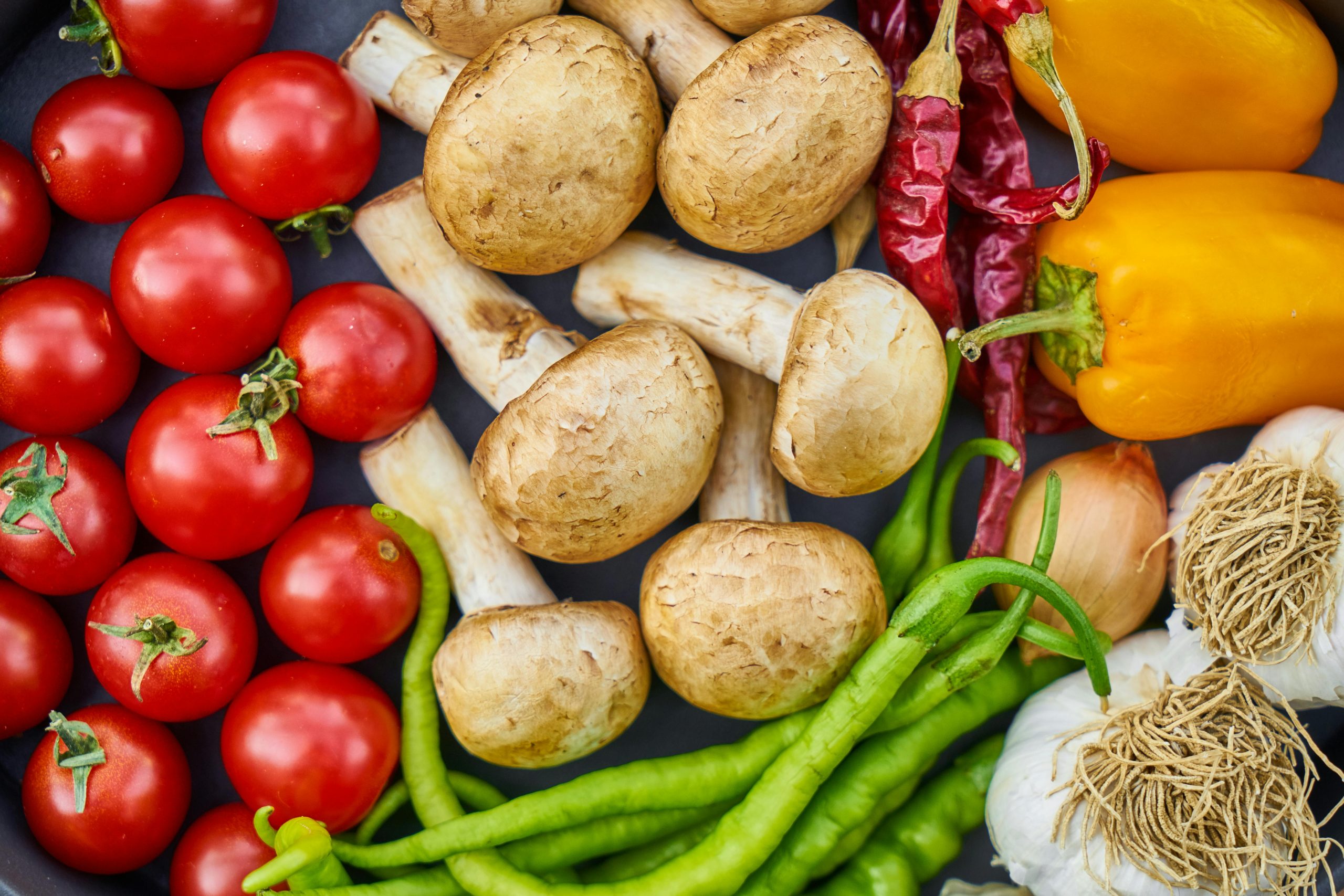
· Prebiotics: The Rent Payment. This is even more crucial. Prebiotics are specific types of fiber that you can’t digest, but your good gut bacteria can. They are the fertilizer for your inner garden. Excellent sources include garlic, onions, leeks, asparagus, bananas, and whole grains like oats and barley. If you’re not feeding your good bacteria, they’ll move out, leaving the place to the troublemakers.
Part 3: The Anti-Inflammatory Mind: Eating for a Calm Brain
Chronic inflammation is like a slow-burning fire in the body, and it’s a major enemy of brain health. An inflamed body often leads to an inflamed, foggy, and anxious mind. The food you eat is either pouring gasoline on that fire or helping to put it out.
· The Firefighters: Load up on foods rich in Omega-3 fatty acids (like salmon, walnuts, and chia seeds) and antioxidants (found in berries, dark leafy greens, and dark chocolate). These are powerful anti-inflammatories that help protect your brain cells.
· The Arsonists: Highly processed foods, refined sugars, and unhealthy trans fats (found in many fried foods and margarines) are the primary fuel for inflammation. A diet heavy in these doesn’t just add inches to your waistline; it can also cloud your thinking and dampen your mood.
Part 4: Putting It All Together on a Plate
So, what does a “gut-brain happy” meal look like?
It’s a piece of grilled salmon (Omega-3s) on a bed of quinoa (prebiotic fiber) with a side of sautéed garlicky kale (prebiotics and antioxidants). For dessert, a small bowl of Greek yogurt (probiotic) with berries (antioxidants) and a sprinkle of walnuts (Omega-3s).
It’s not about one single “superfood.” It’s about the symphony of ingredients working together to support this incredible internal conversation.
Conclusion: You Are What Your Bacteria Eat
The old adage “you are what you eat” needs an upgrade. In the light of modern science, it’s more accurate to say: “You are what your gut bacteria do with what you eat.”
Every meal is an opportunity. You can choose to send a message of chaos and inflammation, or you can choose to send a message of calm and clarity. By nourishing your gut, you are, quite literally, nourishing your mind. So the next time you plan a meal, ask yourself: What’s the message I want to send to my brain today? Choose wisely. Your mood is listening.
Leave a Reply