
Protein. It’s the macronutrient darling of the fitness world, plastered on supplement tubs and grilled chicken breast memes. But if you think protein is just for bodybuilders trying to inflate their biceps, you’re missing 90% of the story. Protein is the quiet, multi-talented overachiever working behind the scenes to keep you, well, you. Let’s piece together the protein puzzle.
Part 1: Beyond the Bicep Curl: Protein’s Real Job Description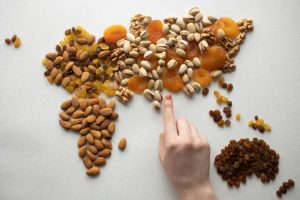
Sure, protein builds muscle. But that’s like saying a smartphone makes calls. It’s a gross understatement of its true capabilities. Think of protein as the primary construction material and workforce for your entire body.
· The Architect & Demolition Crew: Your body is in a constant state of renewal, a process called “protein turnover.” Every second, old, worn-out proteins are broken down (demolished), and new ones are synthesized (rebuilt). Your hair, skin, nails, organs, enzymes, and even the antibodies fighting off that office cold are all made of protein. You are literally made of, and by, the protein you eat.
· The Satiety Superstar: Of the three macronutrients, protein is the most satiating. It tells your brain, “We’re good here, no need to send a search party for doughnuts.” Including a solid source of protein in every meal stabilizes your blood sugar, tames hunger hormones, and can effortlessly prevent the kind of mindless snacking that derails your day.
· The Metabolic Stoker: Protein has a higher Thermic Effect of Food (TEF) than carbs or fats. This is a fancy way of saying your body burns more calories simply digesting it. It’s like getting a small metabolic bonus with every grilled chicken breast or lentil soup.
Part 2: The Complete vs. Incomplete Myth (And Why It’s Nonsense)
You’ve probably heard the terms “complete protein” (containing all nine essential amino acids) and “incomplete protein” (missing one or more). This has led to a widespread, and frankly outdated, anxiety about “protein combining”—the idea that you must meticulously pair foods (like rice and beans) at every single meal to get what you need.
Here’s the truth: Your body is a brilliant amino acid pool manager.
It doesn’t need every single amino acid at every single meal. As long as you’re eating a variety of protein sources throughout the day, your body will happily grab the amino acids it needs from the circulating pool and build whatever it requires. So, relax. If you have toast with peanut butter for breakfast, a lentil salad for lunch, and a handful of nuts as a snack, your body will cleverly combine those amino acids all on its own. No spreadsheet required.
Part 3: The Protein Pantry – A Tour of the A-List
The world of protein is far more exciting than just chicken and shakes. Let’s open the pantry:
· The Animal A-Team (Complete Proteins):
· Eggs: Nature’s perfect protein package. Affordable, versatile, and packed with nutrients. Don’t you dare skip the yolk—that’s where half the protein and most of the vitamins live!
· Greek Yogurt & Cottage Cheese: The protein powerhouses of the dairy aisle. Straining removes whey, concentrating the protein into a thick, creamy delight.
· Fish & Seafood: A double win: high-quality protein and brain-boosting Omega-3s.
· Lean Meats & Poultry: The classic for a reason. Just mind your cooking methods—grilling or baking beats deep-frying.
· The Plant-Based Powerhouse (The Mix-and-Matchers):
· Lentils & Legumes: Lentils, chickpeas, black beans… these are the fiber-rich, budget-friendly heroes of the plant world.
· Tofu, Tempeh & Edamame: The fantastic soy trio. Tempeh, in particular, is a fermented superstar with a firm texture and complete protein profile.
· Quinoa & Amaranth: Rare gems in the plant world—they’re actually complete proteins all on their own.
· Nuts & Seeds: Almonds, pumpkin seeds, hemp hearts—they’re not just for fat; they pack a solid protein punch, perfect for sprinkling on everything.
Part 4: How Much is Enough? (Spoiler: It’s Probably Not a Mountain)
The dramatic bodybuilder gulping down a shaker of chalky protein is a caricature. Most people don’t need nearly that much. A good, general rule of thumb for a moderately active adult is 0.8 to 1.2 grams of protein per kilogram of body weight (or 0.4 to 0.55 grams per pound).
But the timing matters as much as the total. Instead of having a protein-packed dinner after skimping all day, aim to spread your intake evenly across your meals. A target of 20-30 grams per meal is a great goal. This provides a steady stream of amino acids for your body’s ongoing repair and renewal projects, keeping your energy and metabolism stable.
Conclusion: Protein is Your Partner, Not Your Punishment
Forget the dry, bland stereotype. Protein is in your morning omelet, your afternoon hummus, your stir-fried tofu, and your evening bowl of Greek yogurt with berries. It’s the key to feeling full, strong, and vitally alive. It’s the structural integrity behind your smile, your stride, and your resilience. So, make protein a delightful and consistent part of your plate. Your body—from your muscles to your mitochondria—will repay you with interest.
Leave a Reply