For decades, we waged a war on fat. We stripped it from our foods, demonized it on our plates, and proudly consumed “fat-free” products that were often loaded with sugar. It was a grand nutritional experiment. And it failed spectacularly. The truth is, fat is not the enemy. In fact, the right kinds of fat are absolutely essential for your health, your brain, and even your waistline. It’s time to end the fat phobia and welcome this misunderstood macronutrient back to the table.
Part 1: The Great Fat Revival: Understanding the Cast of Characters
Not all fats are created equal. To navigate this world wisely, you need to know the players.
· The Heroes: Unsaturated Fats. These are the fats you want to befriend. They are typically liquid at room temperature and come in two forms:
· Monounsaturated Fats (MUFAs): The heart-healthy all-stars. Found in olive oil, avocados, and many nuts (like almonds and cashews), they help reduce bad cholesterol levels and are a cornerstone of the famously healthy Mediterranean diet.
· Polyunsaturated Fats (PUFAs): This group includes the essential fatty acids—Omega-3 and Omega-6—which your body cannot make on its own. Omega-3s, found in fatty fish (salmon, mackerel), walnuts, and flaxseeds, are powerful anti-inflammatories, crucial for brain health and heart function.
· The Cautious Middle-Child: Saturated Fats. Found primarily in animal products (red meat, butter, full-fat dairy) and some tropical oils (coconut, palm), these fats have been the subject of great debate. The old advice was to strictly avoid them. The modern, more nuanced view is that they can be part of a healthy diet when consumed in moderation, within the context of a diet rich in plants and fiber. The source matters—coconut oil is different from processed sausage.
· The True Villains: Trans Fats. These are the fats to actively and absolutely avoid. Created through an industrial process that adds hydrogen to vegetable oil (making them “partially hydrogenated”), they are Frankenstein fats. They raise your bad LDL cholesterol, lower your good HDL cholesterol, and increase inflammation and the risk of heart disease. They lurk in many fried foods, margarines, and processed baked goods.
Part 2: The Brain’s Best Friend: Why Your Mind Runs on Fat
Your brain is about 60% fat. It’s not just in your head; it practically is your head. The fatty myelin sheath insulates your nerve cells, allowing electrical impulses to travel quickly. Without adequate healthy fat, this communication system breaks down.
Furthermore, Omega-3 fatty acids, specifically DHA, are fundamental building blocks for the brain. Low levels of DHA are linked to an increased risk of cognitive decline, memory loss, and mood disorders. Feeding your brain a steady supply of high-quality fats is one of the most powerful things you can do for your mental clarity and long-term cognitive health. Think of it as premium oil for the most complex engine in the universe.
Part 3: The Satiety Superpower: How Fat Keeps You Full
Remember the “fat-free” craze? People were eating fat-free cookies and fat-free yogurt, yet they were hungrier than ever. That’s because fat is incredibly satiating. It slows down the emptying of your stomach, which means you feel full and satisfied for longer after a meal.
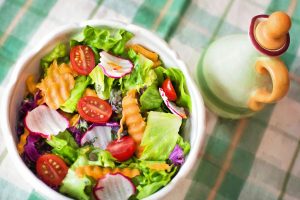
A meal with a healthy source of fat leads to a more gradual rise and fall of blood sugar, preventing the sharp spikes and crashes that drive cravings and mindless snacking. Including a serving of healthy fat—like a drizzle of olive oil on your salad or half an avocado with your eggs—can be the difference between feeling content for hours and raiding the pantry at 3 p.m.
Part 4: The Flavor Carrier: The Unsung Hero of Deliciousness
Let’s not forget the most obvious role of fat: it makes food taste amazing. Many of the flavors in the foods we love are fat-soluble. This means that without fat, your taste buds can’t even fully detect them. A tomato salad without olive oil is a shadow of its true self. Sautéed vegetables without a little fat are merely steamed. Fat carries and enhances flavor, turning simple ingredients into a satisfying culinary experience. This satisfaction is a critical, often overlooked, component of a sustainable healthy diet.
How to Hustle with Healthy Fats:
· Cook with Confidence: Use olive oil or avocado oil for sautéing at medium heat.
· Embrace the Crunch: Sprinkle nuts and seeds on salads, yogurt, and oatmeal.
· Go Fish: Aim for two servings of fatty fish per week.
· The Avocado Advantage: Mash it on toast, slice it in salads, or blend it into smoothies for creamy richness.
· Read the Fine Print: Always check ingredient labels for “partially hydrogenated oils” and avoid them.
Conclusion: Make Peace with Fat
The era of fearing fat is over. It’s time to recognize it for what it is: an essential, flavorful, and deeply satisfying component of a thriving diet. By consciously choosing the right fats—the ones from plants, fish, and nuts—you are not jeopardizing your health; you are actively investing in it. You are building a better brain, a healthier heart, and a more satisfied appetite. So, drizzle that olive oil, savor that salmon, and enjoy that avocado. Your body and your taste buds will thank you for it.
Leave a Reply