For centuries, across countless cultures, our ancestors had a secret for preserving food and boosting health: fermentation. Today, we’re rediscovering that these ancient practices hold a key to modern wellness. This isn’t about a fleeting health trend; it’s about understanding that within your gut lies a complex, thriving world, and fermented foods are its favorite nourishment. Welcome to the fascinating world of cultivating your inner ecosystem.
Part 1: The Gut: Your Second Brain’s Command Center
We often think of our gut as a simple digestive tube, but it’s so much more. It’s home to a vast community of bacteria, fungi, and viruses collectively known as the gut microbiome. This isn’t a passive community; it’s an active organ that influences everything from your immune response and mood to your skin health and metabolism.
A diverse and balanced microbiome is a resilient one. When this ecosystem is thrown off balance—by a poor diet, stress, or antibiotics—it can lead to a state called dysbiosis, linked to digestive issues, inflammation, and a host of other concerns. The goal, then, is to be a good gardener for this internal terrain.
Part 2: Probiotics vs. Prebiotics: The Gardeners and the Fertilizer
To tend your inner garden, you need to understand two key tools:
· Probiotics: The Live Plants. These are the beneficial live bacteria and yeasts themselves, found in fermented foods and supplements. When you consume them, you’re directly adding new, helpful strains to your gut. Think of them as planting new seeds in your garden.
· Where to Find Them: Yogurt with live cultures, kefir, raw sauerkraut, kimchi, kombucha, miso, and tempeh.
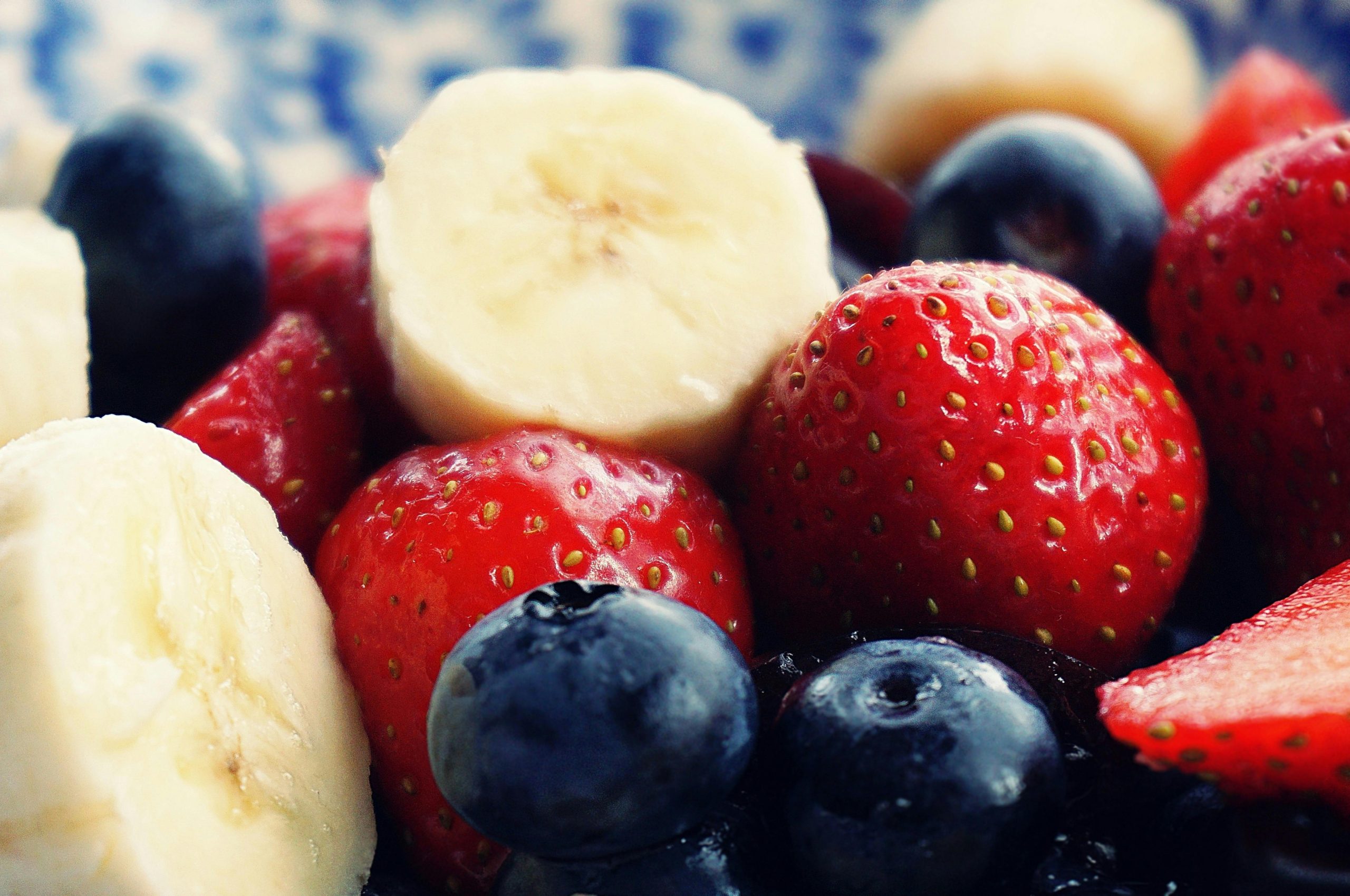
· Prebiotics: The Plant Food. Prebiotics are specific types of dietary fiber that you can’t digest, but your good gut bacteria can. They are the fertilizer that helps your existing beneficial bacteria thrive and multiply.
· Where to Find Them: Garlic, onions, leeks, asparagus, bananas, oats, and Jerusalem artichokes.
For a truly thriving gut, you need both: a regular supply of new “seeds” (probiotics) and plenty of “fertilizer” (prebiotics) to help them grow.
Part 3: Beyond Digestion: The Far-Reaching Effects of a Happy Gut
The benefits of a well-tended microbiome extend far beyond avoiding bloating.
· The Gut-Brain Axis: Your gut and brain are in constant communication via the vagus nerve. An estimated 90% of your body’s serotonin, a crucial neurotransmitter for mood, is produced in the gut. A healthy gut microbiome is increasingly seen as a vital player in supporting mental well-being.
· The Immune Connection: Nearly 70-80% of your immune tissue resides in your gut. A diverse microbiome helps train your immune system, teaching it to distinguish between friend and foe, which can mean fewer illnesses and a calmer inflammatory response.
· The Nutrient Factory: Your gut bacteria actually produce essential nutrients that your body can’t make on its own, including certain B vitamins and Vitamin K2.
Part 4: A Taste of the Old World: How to Welcome Fermented Foods
Incorporating fermented foods doesn’t require a radical overhaul. It’s about small, consistent additions.
1. Start Small. If your gut isn’t used to them, begin with a tablespoon of sauerkraut or a few sips of kefir daily to avoid initial discomfort.
2. Go for the “Live & Active” Label. When buying commercially prepared products, look for phrases like “raw,” “unpasteurized,” or “contains live and active cultures.” Pasteurization kills the beneficial bacteria.
3. Embrace Global Cuisines. A tour of the world’s fermented foods is a tour of gut health: tangy German sauerkraut, spicy Korean kimchi, earthy Japanese miso, and effervescent Russian kefir.
4. Consider DIY. Making your own sauerkraut or kombucha is simpler than you think and connects you directly to this ancient art of food preservation.
Conclusion: You Are the Gardener
The state of your inner ecosystem is not a matter of chance; it’s a matter of choice. Every bite is an opportunity to either cultivate a diverse, resilient garden or to sow weeds of inflammation and imbalance. By consciously incorporating fermented probiotic foods and fibrous prebiotic foods, you take an active role in nurturing this hidden world within. This isn’t just about eating; it’s about farming on a microscopic level, and the harvest is your vitality. So, feed your flora, and they will, in turn, feed your health.
Leave a Reply