Author: admin

  • The Sleep-Snack Connection: How Your Diet is Sabotaging Your Slumber

    The Sleep-Snack Connection: How Your Diet is Sabotaging Your Slumber

    You’ve optimized your bedroom for sleep: blackout curtains, a white noise machine, the perfect pillow. Yet, you still spend the night staring at the ceiling or waking up feeling like you’ve run a marathon in your sleep. The culprit might not be in your bedroom at all—it’s in your kitchen. The connection between what you eat and how you sleep is one of the most powerful, yet most ignored, relationships in health.

    Part 1: The Blood Sugar Rollercoaster and the 2 A.M. Wake-Up Call

    One of the most common disruptors of sleep is unstable blood sugar. When you consume a large, sugary, or high-carb meal right before bed, your blood sugar spikes. Your body, in a panic, releases insulin to bring it back down. Sometimes, it overshoots. This sharp drop in blood sugar—known as hypoglycemia—triggers the release of stress hormones like cortisol and adrenaline. These hormones are your body’s built-in alarm system, designed to wake you up to find food. Hence, the wide-awake feeling at 2 or 3 a.m. Your body isn’t being difficult; it’s just responding to a biochemical false alarm.

    Part 2: The Macronutrient Lullaby: Tryptophan’s Journey

    You’ve heard of the post-Thanksgiving turkey coma, often (and somewhat inaccurately) blamed on tryptophan. Tryptophan is an essential amino acid that is a precursor to two critical sleep hormones: serotonin and melatonin. However, for tryptophan to make its way to your brain and perform its magic, it needs a clear pathway.

    Eating a large amount of protein alone can actually hinder this, as tryptophan has to compete with other amino acids to cross the blood-brain barrier. The secret? Pairing a tryptophan-containing food (like turkey, chicken, milk, nuts, or seeds) with a complex carbohydrate. The carbs trigger an insulin response that clears the competing amino acids from the bloodstream, allowing tryptophan to hitch a ride to the brain and get to work on making you sleepy. A small bowl of oatmeal with a sprinkle of almonds, or a slice of whole-wheat toast with a little turkey, can be a more effective sleep aid than a pill.

    Part 3: The Inflammatory Saboteur

    Chronic inflammation in the body doesn’t just cause joint pain and fatigue; it can also severely disrupt sleep architecture—the natural cycle of sleep stages. Diets high in processed foods, sugar, and unhealthy fats are pro-inflammatory. This systemic inflammation can interfere with the function of the hypothalamus, the part of your brain that regulates your sleep-wake cycle. By adopting an anti-inflammatory diet—rich in colorful plants, omega-3s, and healthy fats—you’re not just helping your joints; you’re calming your entire system and paving the way for deeper, more restorative sleep.

    Part 4: The Caffeine & Alcohol Illusion

    This is the classic double-whammy of sleep sabotage.

    · Caffeine: Its half-life is about 5-6 hours. That means if you have a coffee at 4 p.m., half the caffeine is still in your system at 9 or 10 p.m. It doesn’t just make it hard to fall asleep; it also reduces the amount of deep, slow-wave sleep you get, even if you do manage to drift off.
    · Alcohol: It may help you fall asleep faster, but it’s a sedative, not a natural sleep aid. As your body metabolizes the alcohol, it causes sleep fragmentation, pulling you out of the restorative REM (dream) sleep. This leads to a night of fitful rest and waking up feeling utterly unrefreshed, no matter how long you were in bed.

    The “Sleep-Support” Pantry: What to Eat and When

    Your goal for the evening meal is balance: a combination of complex carbohydrates, lean protein, and healthy fats, finished at least 2-3 hours before bedtime.

    · The Magnesium Magician: Magnesium is a mineral that plays a key role in calming the nervous system. Foods like spinach, almonds, pumpkin seeds, and bananas are excellent sources.
    · The Tart Cherry Trick: Tart cherries are one of the few natural food sources of melatonin. A small glass of tart cherry juice in the evening can gently nudge your body toward sleep.
    · The Herbal Soother: Chamomile or passionflower tea is a wonderful caffeine-free evening ritual. Chamomile contains apigenin, an antioxidant that binds to receptors in the brain, promoting relaxation and sleepiness.

    Conclusion: Your Plate is Your Best Sleep Aid

    Perfect sleep isn’t just crafted in the bedroom; it’s crafted in the kitchen. By viewing your evening meal as a strategic tool for supporting your sleep cycle, you can transform your relationship with rest. Ditch the late-night sugar, be mindful of your caffeine cut-off, and build your dinner around sleep-supportive nutrients. You’ll find that the path to deeper, more restorative sleep is not a prescription, but a recipe. Sweet dreams are made of this.

  • The Fat Fallacy: Why Your Body is Begging for the Right Kind

    The Fat Fallacy: Why Your Body is Begging for the Right Kind

    For decades, we waged a war on fat. We stripped it from our foods, demonized it on our plates, and proudly consumed “fat-free” products that were often loaded with sugar. It was a grand nutritional experiment. And it failed spectacularly. The truth is, fat is not the enemy. In fact, the right kinds of fat are absolutely essential for your health, your brain, and even your waistline. It’s time to end the fat phobia and welcome this misunderstood macronutrient back to the table.

    Part 1: The Great Fat Revival: Understanding the Cast of Characters

    Not all fats are created equal. To navigate this world wisely, you need to know the players.

    · The Heroes: Unsaturated Fats. These are the fats you want to befriend. They are typically liquid at room temperature and come in two forms:
    · Monounsaturated Fats (MUFAs): The heart-healthy all-stars. Found in olive oil, avocados, and many nuts (like almonds and cashews), they help reduce bad cholesterol levels and are a cornerstone of the famously healthy Mediterranean diet.
    · Polyunsaturated Fats (PUFAs): This group includes the essential fatty acids—Omega-3 and Omega-6—which your body cannot make on its own. Omega-3s, found in fatty fish (salmon, mackerel), walnuts, and flaxseeds, are powerful anti-inflammatories, crucial for brain health and heart function.
    · The Cautious Middle-Child: Saturated Fats. Found primarily in animal products (red meat, butter, full-fat dairy) and some tropical oils (coconut, palm), these fats have been the subject of great debate. The old advice was to strictly avoid them. The modern, more nuanced view is that they can be part of a healthy diet when consumed in moderation, within the context of a diet rich in plants and fiber. The source matters—coconut oil is different from processed sausage.
    · The True Villains: Trans Fats. These are the fats to actively and absolutely avoid. Created through an industrial process that adds hydrogen to vegetable oil (making them “partially hydrogenated”), they are Frankenstein fats. They raise your bad LDL cholesterol, lower your good HDL cholesterol, and increase inflammation and the risk of heart disease. They lurk in many fried foods, margarines, and processed baked goods.

    Part 2: The Brain’s Best Friend: Why Your Mind Runs on Fat

    Your brain is about 60% fat. It’s not just in your head; it practically is your head. The fatty myelin sheath insulates your nerve cells, allowing electrical impulses to travel quickly. Without adequate healthy fat, this communication system breaks down.

    Furthermore, Omega-3 fatty acids, specifically DHA, are fundamental building blocks for the brain. Low levels of DHA are linked to an increased risk of cognitive decline, memory loss, and mood disorders. Feeding your brain a steady supply of high-quality fats is one of the most powerful things you can do for your mental clarity and long-term cognitive health. Think of it as premium oil for the most complex engine in the universe.

    Part 3: The Satiety Superpower: How Fat Keeps You Full

    Remember the “fat-free” craze? People were eating fat-free cookies and fat-free yogurt, yet they were hungrier than ever. That’s because fat is incredibly satiating. It slows down the emptying of your stomach, which means you feel full and satisfied for longer after a meal.

    A meal with a healthy source of fat leads to a more gradual rise and fall of blood sugar, preventing the sharp spikes and crashes that drive cravings and mindless snacking. Including a serving of healthy fat—like a drizzle of olive oil on your salad or half an avocado with your eggs—can be the difference between feeling content for hours and raiding the pantry at 3 p.m.

    Part 4: The Flavor Carrier: The Unsung Hero of Deliciousness

    Let’s not forget the most obvious role of fat: it makes food taste amazing. Many of the flavors in the foods we love are fat-soluble. This means that without fat, your taste buds can’t even fully detect them. A tomato salad without olive oil is a shadow of its true self. Sautéed vegetables without a little fat are merely steamed. Fat carries and enhances flavor, turning simple ingredients into a satisfying culinary experience. This satisfaction is a critical, often overlooked, component of a sustainable healthy diet.

    How to Hustle with Healthy Fats:

    · Cook with Confidence: Use olive oil or avocado oil for sautéing at medium heat.
    · Embrace the Crunch: Sprinkle nuts and seeds on salads, yogurt, and oatmeal.
    · Go Fish: Aim for two servings of fatty fish per week.
    · The Avocado Advantage: Mash it on toast, slice it in salads, or blend it into smoothies for creamy richness.
    · Read the Fine Print: Always check ingredient labels for “partially hydrogenated oils” and avoid them.

    Conclusion: Make Peace with Fat

    The era of fearing fat is over. It’s time to recognize it for what it is: an essential, flavorful, and deeply satisfying component of a thriving diet. By consciously choosing the right fats—the ones from plants, fish, and nuts—you are not jeopardizing your health; you are actively investing in it. You are building a better brain, a healthier heart, and a more satisfied appetite. So, drizzle that olive oil, savor that salmon, and enjoy that avocado. Your body and your taste buds will thank you for it.

  • The Hydration Hustle: Water’s Wildly Underrated Role in Your Health

    The Hydration Hustle: Water’s Wildly Underrated Role in Your Health

    We chase the latest superfoods, agonize over macros, and shell out small fortunes for supplements. Meanwhile, the most potent, foundational, and life-giving “nutrient” of all flows freely from our taps. We’re talking about water. It’s the original health elixir, and yet, most of us are walking around in a state of chronic, low-grade dehydration without even knowing it. Let’s dive into why hydration is the ultimate life hack.

    Part 1: The Silent Saboteur: Dehydration’s Stealthy Symptoms

    When you think of dehydration, you probably imagine someone crawling across a desert, desperately gasping for water. In reality, the signs are far more subtle and often mistaken for other issues.

    That afternoon headache? It could be dehydration. Feeling foggy, unfocused, or unusually irritable? Your brain might be begging for water. That sudden, sharp craving for a salty snack? Your body can confuse thirst and hunger. Even fatigue and sluggish workouts can often be traced back to a simple fluid deficit. Water isn’t just a liquid; it’s the medium in which every single cellular process in your body takes place. When it’s in short supply, everything—from your cognitive function to your physical performance—operates at a subpar level.

    Part 2: Beyond the Eight Glasses: What “Counts” as Hydration?

    The old “eight glasses a day” rule is a decent starting point, but it’s a one-size-fits-all recommendation in a world that isn’t. Your needs depend on your activity level, the climate you live in, your diet, and your body size.

    But what about coffee and tea? For years, we were told they were diuretics that dehydrated us. The latest science, however, offers a reprieve. While caffeine has a mild diuretic effect, the water in your coffee or tea more than compensates for it. In moderate amounts, your daily brew contributes to your overall fluid intake. The real hydration villains are sugary sodas and excessive alcohol, which can indeed have a net dehydrating effect.

    And don’t forget your food! Fruits and vegetables are essentially water balloons packed with fiber and nutrients. Cucumber, celery, watermelon, strawberries, and spinach are all over 90% water. Eating your water is a delicious and effective strategy.

    Part 3: The Dynamic Duo: Water and Fiber

    Remember our friend fiber from the last chapter? Well, it’s useless without its trusty sidekick, water. Insoluble fiber acts like a sponge in your digestive tract. If it doesn’t have water to absorb, it can’t form the soft, bulky stool that keeps things moving smoothly. The result? Instead of relieving constipation, a high-fiber, low-water diet can actually cause it or make it worse. Think of fiber as the broom and water as the solvent that helps it sweep everything clean.

    Part 4: The Athletic Edge: Your Secret Performance Enhancer

    If you’re exercising with even a 2% dehydration level, your performance is taking a nosedive. Water is essential for lubricating joints, regulating body temperature through sweat, and delivering nutrients to working muscles. Dehydration leads to faster fatigue, reduced endurance, and increased perceived effort—meaning your workout feels much harder than it actually is. Drinking water before, during, and after exercise isn’t just a recommendation; it’s as crucial as the workout itself.

    Part 5: Becoming a Hydration Connoisseur

    How do you upgrade from haphazard sipping to strategic hydration?

    1. Listen to Your Body (But Don’t Trust It Fully). Thirst is a signal that you’re already on your way to being dehydrated. Don’t wait for it. Drink consistently throughout the day.
    2. The Urine Test. Check the color of your urine. Aim for a pale straw or light lemonade color. Dark yellow? Start chugging.
    3. Make it Accessible. Keep a reusable water bottle on your desk, in your car, and in your bag. If it’s in your line of sight, you’re more likely to drink it.
    4. Infuse with Flavor. If plain water bores you, infuse it. Add slices of citrus, cucumber, mint, berries, or ginger. Create your own spa-like experience.
    5. Hydrate with Electrolytes. For intense workouts or very hot days, plain water might not be enough. You also need to replace electrolytes like sodium and potassium that are lost through sweat. A pinch of salt and a squeeze of lemon in your water can do the trick, or opt for a sugar-free electrolyte mix.

    Conclusion: The Ultimate Tune-Up

    You wouldn’t run your car without oil. Don’t run your body without adequate water. It’s the simplest, cheapest, and most impactful thing you can do for your energy, your focus, your digestion, and your overall vitality. It’s not about glugging gallons until you feel sloshy; it’s about consistent, mindful sipping that keeps your internal world lush and flowing. So, raise your glass (of water) to the foundation of all health. Your body is a magnificent, water-based universe. Keep it hydrated.

  • The Fiber Fiasco: Why Your Gut is Throwing a Tantrum (And How to Make Peace)

    The Fiber Fiasco: Why Your Gut is Throwing a Tantrum (And How to Make Peace)

    Let’s talk about the most neglected, misunderstood, and yet utterly essential nutrient in your diet: fiber. If nutrients were a family, protein would be the overachieving eldest child, fats the mysterious and misunderstood artist, and carbs the fun but flighty friend. Fiber? Fiber is the quiet, reliable plumber. You don’t think about it until there’s a backup, and then it’s the only thing that can save the day.

    For decades, fiber has been relegated to the “boring” bin, associated with prunes and sad, dusty cereals. But the truth is, fiber is the unsung hero of your digestive system, your blood sugar, and even your waistline. It’s time to give it the standing ovation it deserves.

    Part 1: The Two Musketeers: Soluble and Insoluble

    First, a crucial distinction. Fiber isn’t a single entity; it’s a dynamic duo with two very different jobs.

    · Soluble Fiber: The Gelatinous Guardian. This is the type of fiber that dissolves in water, forming a thick, gel-like substance in your gut. Think of it as a soft, spongy bouncer in the nightclub of your digestive tract. Its primary roles are:
    · Blood Sugar Buffer: It slows down the absorption of sugar into your bloodstream, preventing those jarring energy spikes and crashes.
    · Cholesterol Sponge: It latches onto “bad” LDL cholesterol in your digestive system and escorts it out of your body before it can enter your bloodstream.
    · Where to Find It: Oats, barley, beans, lentils, apples, citrus fruits, and carrots.
    · Insoluble Fiber: The Roughage Roustabout. This fiber does not dissolve. It’s the rough, bulky material that stays intact all the way through your system. Its job is less chemical and more… mechanical.
    · The Bulk Builder: It adds bulk to your stool, which helps move everything along smoothly and prevents constipation. It’s the internal street-sweeper, keeping things clean and clear.
    · Where to Find It: Whole wheat bran, nuts, seeds, and the skins of many fruits and vegetables (like potatoes and cucumbers).

    A healthy gut needs both of these tireless workers on the clock, 24/7.

    Part 2: The Gut Garden: How Fiber Feeds Your Inner Ecosystem

    You’ve heard of your gut microbiome—the trillions of bacteria living in your intestines. Well, guess what? They’re hungry. And their favorite food, specifically for the good bacteria, is fiber. When you eat fiber, you aren’t just feeding yourself; you’re catering a five-star banquet for your microbial friends.

    This type of fiber is called a prebiotic. When your good gut bacteria feast on prebiotics, they produce short-chain fatty acids (SCFAs) as a byproduct. These SCFAs are like health-promoting magic dust. They:

    · Strengthen the lining of your gut, reducing inflammation.
    · Boost your immune system.
    · May even influence your mood and brain health.

    If you’re not eating enough fiber, you’re essentially starving your most beneficial bacteria, allowing the less helpful ones to take over. This can lead to a grumpy gut, bloating, and a compromised immune system.

    Part 3: The Satiety Secret: How Fiber Fools Your Stomach

    Here’s a weight management hack that doesn’t involve crazy diets: eat more fiber. High-fiber foods take longer to chew and slow down the rate at which your stomach empties. This means you feel full, longer.

    Furthermore, many high-fiber foods are also less “energy-dense”—meaning they have fewer calories for the same volume of food. You can eat a large, satisfying salad filled with fibrous veggies for the same calories as a small bag of chips. Your stomach feels full, your brain is happy, and you’ve consumed fewer calories without even trying. Fiber is the ultimate appetite regulator.

    Part 4: The Modern Fiber Famine (And How to End It)

    The standard Western diet is tragically low in fiber. We’ve traded hearty whole grains for refined white flour, and whole fruits for sugary juices. So, how do we reverse the famine?

    1. The Great Swap. Start with simple substitutions. Swap white bread for 100% whole grain. Choose brown rice over white. Eat a whole apple instead of drinking apple juice.
    2. Embrace the Legume. Beans, lentils, and chickpeas are the fiber champions of the food world. Add them to soups, salads, and stews.
    3. Sneak It In. Add a handful of spinach to your smoothie. Mix flaxseeds or chia seeds into your yogurt. Toss some berries on your cereal.
    4. Read the Label. When buying packaged foods, look for those with at least 3-5 grams of fiber per serving.

    A Word of Caution: The Slow March

    If your current diet is low in fiber, do not declare tomorrow “National Fiber Day” and consume a pound of beans and a bag of bran. Your gut bacteria need time to adjust. A sudden, massive influx of fiber will lead to… a fiasco. Gas, bloating, and discomfort. Increase your intake gradually over several weeks, and drink plenty of water to help the fiber do its job smoothly.

    Conclusion: Make Peace with the Plumber

    Fiber is not a punishment; it’s a passport to smoother digestion, stable energy, and a thriving inner world. It’s the humble, hardworking nutrient that keeps the complex machinery of your body running without complaint. So, listen to your gut. If it’s throwing a tantrum, it might just be begging for a little more roughage. Give it the fiber it craves, and you’ll be rewarded with a harmony that resonates from your core.

  • The Protein Puzzle: Building More Than Just Muscle

    The Protein Puzzle: Building More Than Just Muscle

    Protein. It’s the macronutrient darling of the fitness world, plastered on supplement tubs and grilled chicken breast memes. But if you think protein is just for bodybuilders trying to inflate their biceps, you’re missing 90% of the story. Protein is the quiet, multi-talented overachiever working behind the scenes to keep you, well, you. Let’s piece together the protein puzzle.

    Part 1: Beyond the Bicep Curl: Protein’s Real Job Description

    Sure, protein builds muscle. But that’s like saying a smartphone makes calls. It’s a gross understatement of its true capabilities. Think of protein as the primary construction material and workforce for your entire body.

    · The Architect & Demolition Crew: Your body is in a constant state of renewal, a process called “protein turnover.” Every second, old, worn-out proteins are broken down (demolished), and new ones are synthesized (rebuilt). Your hair, skin, nails, organs, enzymes, and even the antibodies fighting off that office cold are all made of protein. You are literally made of, and by, the protein you eat.
    · The Satiety Superstar: Of the three macronutrients, protein is the most satiating. It tells your brain, “We’re good here, no need to send a search party for doughnuts.” Including a solid source of protein in every meal stabilizes your blood sugar, tames hunger hormones, and can effortlessly prevent the kind of mindless snacking that derails your day.
    · The Metabolic Stoker: Protein has a higher Thermic Effect of Food (TEF) than carbs or fats. This is a fancy way of saying your body burns more calories simply digesting it. It’s like getting a small metabolic bonus with every grilled chicken breast or lentil soup.

    Part 2: The Complete vs. Incomplete Myth (And Why It’s Nonsense)

    You’ve probably heard the terms “complete protein” (containing all nine essential amino acids) and “incomplete protein” (missing one or more). This has led to a widespread, and frankly outdated, anxiety about “protein combining”—the idea that you must meticulously pair foods (like rice and beans) at every single meal to get what you need.

    Here’s the truth: Your body is a brilliant amino acid pool manager.

    It doesn’t need every single amino acid at every single meal. As long as you’re eating a variety of protein sources throughout the day, your body will happily grab the amino acids it needs from the circulating pool and build whatever it requires. So, relax. If you have toast with peanut butter for breakfast, a lentil salad for lunch, and a handful of nuts as a snack, your body will cleverly combine those amino acids all on its own. No spreadsheet required.

    Part 3: The Protein Pantry – A Tour of the A-List

    The world of protein is far more exciting than just chicken and shakes. Let’s open the pantry:

    · The Animal A-Team (Complete Proteins):
    · Eggs: Nature’s perfect protein package. Affordable, versatile, and packed with nutrients. Don’t you dare skip the yolk—that’s where half the protein and most of the vitamins live!
    · Greek Yogurt & Cottage Cheese: The protein powerhouses of the dairy aisle. Straining removes whey, concentrating the protein into a thick, creamy delight.
    · Fish & Seafood: A double win: high-quality protein and brain-boosting Omega-3s.
    · Lean Meats & Poultry: The classic for a reason. Just mind your cooking methods—grilling or baking beats deep-frying.
    · The Plant-Based Powerhouse (The Mix-and-Matchers):
    · Lentils & Legumes: Lentils, chickpeas, black beans… these are the fiber-rich, budget-friendly heroes of the plant world.
    · Tofu, Tempeh & Edamame: The fantastic soy trio. Tempeh, in particular, is a fermented superstar with a firm texture and complete protein profile.
    · Quinoa & Amaranth: Rare gems in the plant world—they’re actually complete proteins all on their own.
    · Nuts & Seeds: Almonds, pumpkin seeds, hemp hearts—they’re not just for fat; they pack a solid protein punch, perfect for sprinkling on everything.

    Part 4: How Much is Enough? (Spoiler: It’s Probably Not a Mountain)

    The dramatic bodybuilder gulping down a shaker of chalky protein is a caricature. Most people don’t need nearly that much. A good, general rule of thumb for a moderately active adult is 0.8 to 1.2 grams of protein per kilogram of body weight (or 0.4 to 0.55 grams per pound).

    But the timing matters as much as the total. Instead of having a protein-packed dinner after skimping all day, aim to spread your intake evenly across your meals. A target of 20-30 grams per meal is a great goal. This provides a steady stream of amino acids for your body’s ongoing repair and renewal projects, keeping your energy and metabolism stable.

    Conclusion: Protein is Your Partner, Not Your Punishment

    Forget the dry, bland stereotype. Protein is in your morning omelet, your afternoon hummus, your stir-fried tofu, and your evening bowl of Greek yogurt with berries. It’s the key to feeling full, strong, and vitally alive. It’s the structural integrity behind your smile, your stride, and your resilience. So, make protein a delightful and consistent part of your plate. Your body—from your muscles to your mitochondria—will repay you with interest.

  • The Long Game: How to Eat for a Future You’ll Actually Enjoy

    The Long Game: How to Eat for a Future You’ll Actually Enjoy

    Let’s be blunt: most nutrition advice is focused on the “now.” How to drop 10 pounds for summer, how to get “shredded” for a wedding, how to detox after a holiday weekend. But what if we shifted the lens? What if the real, unsexy, and incredibly powerful secret to eating well isn’t about looking good in a photo next month, but about feeling phenomenal in your own skin for the next 50 years? Welcome to the Long Game—the art of eating for a future you’ll actually want to show up for.

    Part 1: Your Bones: The Silent Scaffolding

    Think about your bones. Go on, really think about them. You probably don’t, right? They just… exist. Until they don’t. Bone health is the ultimate long-term investment. The bone mass you build in your youth is the retirement savings you’ll live off in your later years. The time to make deposits is now.

    · The Calcium Crew: Everyone knows dairy is a great source of calcium. But what if you’re team almond milk? No problem. Fortified plant milths, calcium-set tofu, canned sardines (with the bones!), kale, and broccoli are all fantastic allies. Calcium is the primary building block, but it’s a lonely brick without its foreman.
    · The Vitamin D Director: Vitamin D is the essential foreman that tells your gut to actually absorb that calcium. Without it, calcium just passes through your system, unimpressed. Get your levels checked. Soak up some sensible sun (without burning, of course), and embrace fatty fish, egg yolks, and fortified foods.
    · The Weight-Bearing Workout: This isn’t just about nutrition, but it’s too crucial to leave out. Bones get stronger when you stress them. Weight-bearing exercises like walking, dancing, lifting weights, and even yoga send a clear signal to your skeleton: “Stay strong, we need you!”

    Part 2: The Heart of the Matter: It’s Not Just a Metaphor

    Your heart is that hard-working muscle you’ve been taking for granted since, well, forever. It’s been faithfully beating while you’ve been mainlining french fries and stressing over deadlines. It’s time to show it some love.

    · Fiber: The Arterial Broom: Soluble fiber, found in oats, barley, beans, apples, and carrots, is like a gentle, internal broom. It helps sweep “bad” LDL cholesterol out of your system, keeping your arteries clear. Think of it as preventative plumbing.
    · Fats: The Good, The Bad, and The Ugly: Ditch the trans fats (the “ugly” ones found in many processed foods) and limit the saturated fats. Instead, invite the monounsaturated and polyunsaturated fats to the party. Avocados, olives, nuts, seeds, and their oils are the heart’s best friends. And don’t forget the Omega-3s from fish—they are nature’s anti-inflammatory for your cardiovascular system.
    · The Sodium Sleuth: The majority of the salt wrecking our blood pressure isn’t from our salt shakers; it’s hidden in processed foods, canned soups, and restaurant meals. Cooking at home is the single biggest step you can take to control your sodium intake. Your future blood pressure reading will thank you.

    Part 3: The Cognitive Reserve: Building a Better Brain

    Your brain is the most complex object in the known universe, and it’s running on the food you eat. You can either feed it premium fuel or clog its delicate machinery with gunk.

    · The Antioxidant Army: Oxidative stress is like rust for your cells, and your brain is particularly vulnerable. Antioxidants are the rust-removal crew. Berries, dark chocolate (70%+ cocoa), leafy greens, and brightly colored vegetables are packed with them. They help protect your neurons from damage and keep your cognitive pathways clear.
    · The Fat Your Brain Actually Wants: Your brain is nearly 60% fat. Specifically, it craves DHA, an Omega-3 fatty acid crucial for building brain cell membranes and facilitating communication between neurons. Low levels of DHA are linked to cognitive decline. So, eat the fatty fish (salmon, mackerel, sardines), the walnuts, and the flaxseeds. You are literally eating for your memories, your focus, and your sharpness.

    Part 4: The Unifying Principle: Plants, Patterns, and Patience

    The common thread running through all this long-term health? Plants.

    The longest-lived populations on Earth—the Blue Zones—don’t count macros or obsess over protein. They eat a diet predominantly made of vegetables, fruits, whole grains, beans, and nuts. This pattern provides a symphony of fiber, antioxidants, vitamins, and healthy fats that work in concert to protect every system in your body.

    The Long Game isn’t about a radical overnight overhaul. It’s about the gentle, consistent nudge. It’s swapping one processed snack for a handful of nuts. It’s adding one more vegetable to your dinner plate. It’s choosing to cook a simple meal instead of ordering takeout.

    It’s the cumulative effect of thousands of small, smart choices. It’s investing in the most important project you’ll ever work on: the health and vitality of your future self. So, the next time you’re about to eat, ask the most powerful question of all: “Where do I want to be in 30 years?” Then, take a delicious bite in that direction.

  • The Gut-Brain Axis: Why Your Food is in a Serious Relationship with Your Feelings

    The Gut-Brain Axis: Why Your Food is in a Serious Relationship with Your Feelings

    Forget what you know about food just being fuel. It’s time to introduce you to the most powerful, under-the-radar relationship in your body: the gut-brain axis. This is the constant, intimate chatter between your digestive system and your brain. And what you put on your fork is the main topic of conversation. Understanding this can change everything from your mood to your metabolism.

    Part 1: Meet Your Second Brain (It’s in Your Gut)

    If you’ve ever had a “gut feeling” about something or felt butterflies before a date, you’ve experienced the gut-brain connection firsthand. Your gut doesn’t just passively accept the food you send down; it talks back. Loudly.

    This happens via a few key channels:

    1. The Vagus Nerve: Think of this as the super-highway of communication running from your brain to your gut. It’s a two-way street, with about 80-90% of the traffic going from your gut to your brain. Your gut is doing most of the talking!
    2. Neurotransmitters: Your gut produces a staggering amount of your body’s mood-regulating chemicals. For instance, about 95% of your serotonin—the famous “feel-good” neurotransmitter—is made in your digestive tract. You read that right. Your happiness is largely a gut reaction.
    3. The Microbiome: This is the star of the show. Your gut is home to trillions of bacteria, collectively known as your microbiome. These tiny tenants aren’t just sitting there; they’re producing chemicals that can directly influence your brain health, your cravings, and even your stress levels.

    Part 2: Are You Feeding Your Inner Zoo, or Starving It?

    Your microbiome is like a diverse, internal ecosystem. You want a wide variety of species—some are the peaceful gardeners that calm inflammation, others are the warriors that fight off pathogens. A poor diet, high in processed foods and sugar, is like a hostile corporate takeover. It wipes out the diversity, allowing a few “bad guy” species to thrive. This state, known as dysbiosis, has been linked to everything from anxiety and depression to brain fog and poor sleep.

    So, how do you become a five-star landlord to these microscopic lifeforms? You feed them what they love.

    · Probiotics: The New Tenants. These are the live, beneficial bacteria themselves. You can invite them in by eating fermented foods. Think of yogurt with live cultures, tangy kefir, pungent kimchi, and sauerkraut. These are like sending out a welcome party for the good guys.
    · Prebiotics: The Rent Payment. This is even more crucial. Prebiotics are specific types of fiber that you can’t digest, but your good gut bacteria can. They are the fertilizer for your inner garden. Excellent sources include garlic, onions, leeks, asparagus, bananas, and whole grains like oats and barley. If you’re not feeding your good bacteria, they’ll move out, leaving the place to the troublemakers.

    Part 3: The Anti-Inflammatory Mind: Eating for a Calm Brain

    Chronic inflammation is like a slow-burning fire in the body, and it’s a major enemy of brain health. An inflamed body often leads to an inflamed, foggy, and anxious mind. The food you eat is either pouring gasoline on that fire or helping to put it out.

    · The Firefighters: Load up on foods rich in Omega-3 fatty acids (like salmon, walnuts, and chia seeds) and antioxidants (found in berries, dark leafy greens, and dark chocolate). These are powerful anti-inflammatories that help protect your brain cells.
    · The Arsonists: Highly processed foods, refined sugars, and unhealthy trans fats (found in many fried foods and margarines) are the primary fuel for inflammation. A diet heavy in these doesn’t just add inches to your waistline; it can also cloud your thinking and dampen your mood.

    Part 4: Putting It All Together on a Plate

    So, what does a “gut-brain happy” meal look like?

    It’s a piece of grilled salmon (Omega-3s) on a bed of quinoa (prebiotic fiber) with a side of sautéed garlicky kale (prebiotics and antioxidants). For dessert, a small bowl of Greek yogurt (probiotic) with berries (antioxidants) and a sprinkle of walnuts (Omega-3s).

    It’s not about one single “superfood.” It’s about the symphony of ingredients working together to support this incredible internal conversation.

    Conclusion: You Are What Your Bacteria Eat

    The old adage “you are what you eat” needs an upgrade. In the light of modern science, it’s more accurate to say: “You are what your gut bacteria do with what you eat.”

    Every meal is an opportunity. You can choose to send a message of chaos and inflammation, or you can choose to send a message of calm and clarity. By nourishing your gut, you are, quite literally, nourishing your mind. So the next time you plan a meal, ask yourself: What’s the message I want to send to my brain today? Choose wisely. Your mood is listening.

  • Food Freedom: A Sassy Person’s Guide to Thriving, Not Just Surviving

    Food Freedom: A Sassy Person’s Guide to Thriving, Not Just Surviving

    Let’s have a real talk about “eating right.” If you’ve ever found yourself staring at a kale smoothie with the enthusiasm of a cat in a bathtub, this is for you. Healthy eating has been hijacked by too many rules, too much guilt, and too many foods that taste like cardboard with commitment issues. It’s time to take it back. Welcome to Food Freedom—where we focus on feeling fantastic, without the fanaticism.

    1. Ditch the Dogma, Embrace the Data (and the Donut) 

    The first step to food freedom is to fire the inner food critic that labels everything as “good” or “bad.” A piece of broccoli is not morally superior to a brownie. This black-and-white thinking is what leads to the dreaded “cheat day,” which often turns into a culinary crime spree that would make a supervillain proud.

    Instead, adopt the “What does my body need?” mindset. Sometimes, it needs a powerhouse salad loaded with lean protein and crunchy veggies. Other times, it genuinely needs that brownie for soul-therapy. The goal is to listen. Your body is constantly sending you memos—are you feeling sluggish? Bloated? Unfocused? That’s intel, not failure. Start connecting the dots between what you eat and how you feel. You’ll quickly find that the food that makes you feel vibrant and strong is the same food you’ll start to genuinely crave.

    2. The Plate Power-Up: Your No-Math-Needed Formula

    Forget complicated calculations. Let’s use a visual guide that even your sleep-deprived, coffee-fueled brain can understand at 7 AM. Imagine your plate divided like a quirky pie chart:

    · Half the Plate: The Rainbow Raiders (Fruits & Non-Starchy Veggies). This is where you get your vitamins, minerals, fiber, and that “I’m-doing-something-good-for-myself” glow. The more colors, the better. We’re talking crimson bell peppers, emerald spinach, sunny corn, and purple cabbage. This section is for volume, fiber, and flooding your system with micronutrient magic.
    · A Quarter of the Plate: The Builders (Lean Protein). This is your structural crew. Protein builds and repairs everything from your muscles to your mood-stabilizing neurotransmitters. Think grilled chicken, fish, tofu, tempeh, lentils, or eggs. This is what keeps you full, satisfied, and prevents you from eyeing the vending machine an hour after lunch.
    · A Quarter of the Plate: The Fuelers (Smart Carbs & Healthy Fats). This is your energy quadrant. Here lies the sustained power from complex carbohydrates like quinoa, brown rice, or sweet potato, and the flavor-satisfaction from healthy fats like a drizzle of olive oil, a sprinkle of nuts, or a slice of avocado. Carbs are not the enemy; boring, processed, white carbs are. Give your body the quality fuel it deserves.

    3. The Kitchen Makeover: Outsmart Your Future Self

    Your willpower is a finite resource, like the battery on your phone. By 8 PM, it’s running on 5%. The key is to set up your environment so that the healthy choice is the easy choice.

    · The Strategic Grocery Run: Never shop hungry. This is the first and most sacred rule. A hungry shopper is a marketing team’s dream and a pantry’s nightmare. Stick to the store’s perimeter for most of your haul (produce, meat, dairy) and venture into the inner aisles with a specific mission (beans, oats, olive oil).
    · The “See-Food” Diet: If you see it, you will eat it. It’s that simple. Place a beautiful fruit bowl on your counter. Keep pre-cut veggies at eye-level in the fridge. Hide the cookies in the least accessible cupboard you have. You’re not weak; you’re just brilliantly human. Use it to your advantage.
    · Batch Your Brilliance: Spend one hour on the weekend prepping a few key items. Roast a tray of mixed vegetables. Cook a batch of quinoa or farro. Hard-boil a few eggs. Having these “building blocks” ready turns assembling a healthy meal on a busy weeknight into a 5-minute affair, instead of a reason to order a pizza.

    4. The Joy Factor: Why Pleasure is Non-Negotiable

    A diet devoid of pleasure is a diet destined to fail. The sensory experience of eating—the crunch, the aroma, the flavor—is a fundamental part of our well-being. Food is culture, connection, and comfort.

    · Season Like You Mean It: Herbs and spices are the fairy dust of healthy cooking. They add incredible flavor for virtually no calories. Get adventurous with smoked paprika, cumin, turmeric, fresh basil, and rosemary. A squeeze of lemon juice can brighten up any dish.
    · Eat Mindfully (Most of the Time): This doesn’t mean you must meditate over every morsel. It just means sitting down to eat, slowing down a little, and actually tasting your food. Put your fork down between bites. This simple act improves digestion and satisfaction, helping you recognize when you’re full, not just when your plate is empty.

    The Bottom Line

    Throw away the rulebook that makes you feel guilty. Healthy eating is not a punishment; it’s the ultimate act of self-respect. It’s about giving your body the high-quality fuel it needs to power your dreams, your laughter, and your life. So, cook a delicious meal, share it with good company, and savor every single bite. Here’s to thriving

  • Eat Smart, Not Less: Your Guide to Feeling Awesome

    Eat Smart, Not Less: Your Guide to Feeling Awesome

    Of course! Here is the continuation and conclusion of the article, building on the established tone and content.

    — Timing is (Almost) Everything

    Let’s tackle the great debate: to snack or not to snack? The answer is more “when” than “if.” Think of your metabolism as a cozy fireplace. If you let the fire die out completely (by going hours and hours without eating), it takes a lot of effort and kindling to get it roaring again. But if you toss a log on the embers every few hours, it maintains a steady, warm glow.

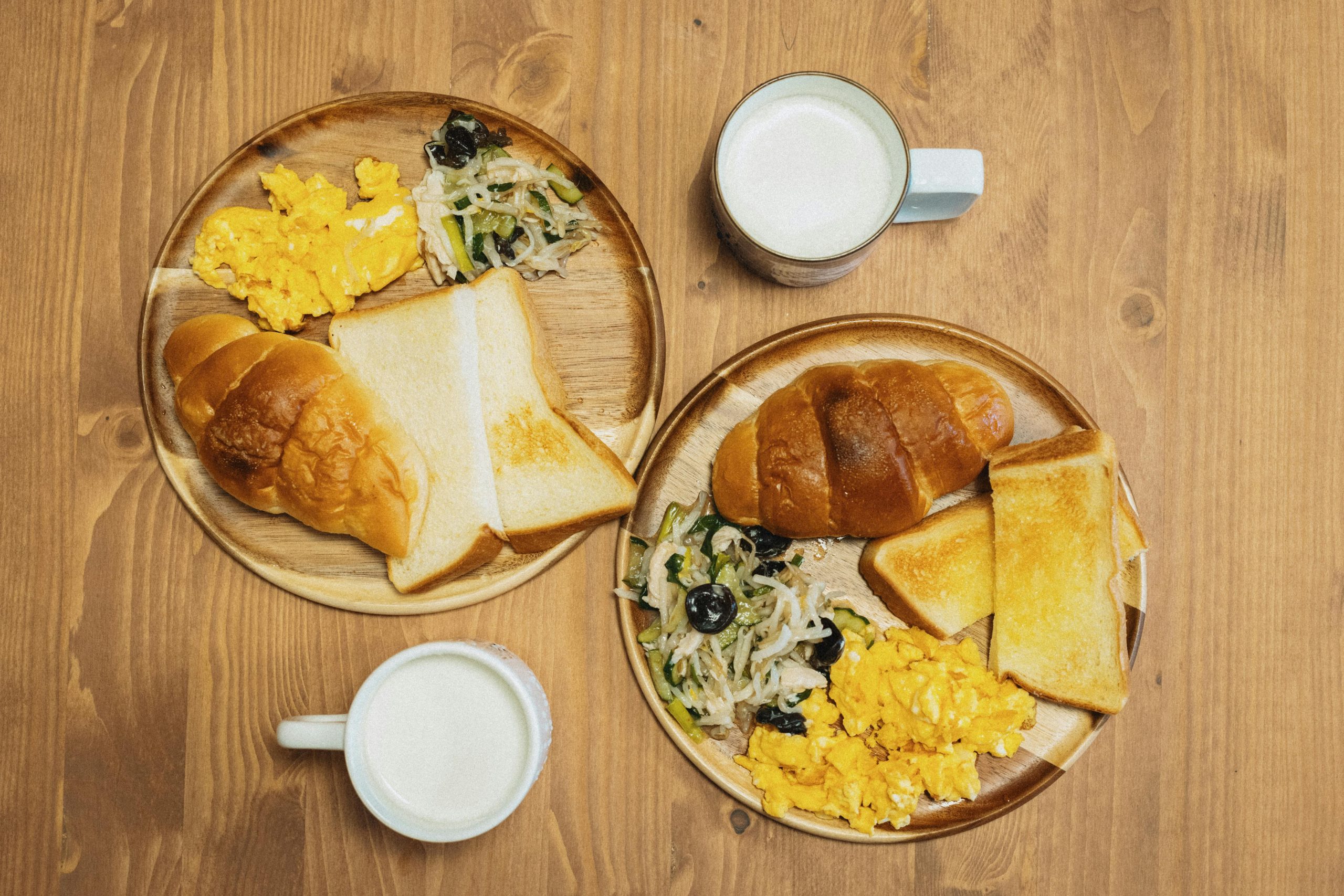
    · Breakfast: The Royal Rumble. You’ve heard it before, but it’s worth repeating: don’t skip breakfast. Breaking your overnight fast kickstarts your metabolism and provides the cognitive fuel to tackle your morning. This doesn’t mean a sugar-bomb disguised as a muffin. Aim for a balance of protein, complex carbs, and fat—like eggs with whole-wheat toast and avocado, or a smoothie with Greek yogurt and berries. A good breakfast tells your body, “We’re open for business!”
    · The Strategic Snack Attack. Snacking is not the enemy; mindless snacking is. The 3 PM slump is a real physiological event, not a character flaw. Be prepared! Arm yourself with snacks that combine protein and fiber—an apple with a tablespoon of peanut butter, a handful of almonds, or carrot sticks with hummus. These prevent the blood sugar spike and crash that leads to you mainlining cookies from the office break room.

    Debunking the Dragon: Slaying Nutrition Myths

    The world of nutrition is filled with more myths than a Greek mythology textbook. Let’s slay a few beasts.

    · Myth 1: “Gluten-Free” Means “Healthier.” For individuals with Celiac disease or a genuine sensitivity, a gluten-free diet is essential medicine. For everyone else, it’s often just a marketing ploy. Many gluten-free processed foods are less nutritious, containing more sugar, fat, and salt to compensate for texture and taste. Unless you have a medical reason, there’s no health benefit to avoiding whole grains that contain gluten.
    · Myth 2: Fresh is Always Best. Frozen is Second-Rate. This is pure produce snobbery. Frozen fruits and vegetables are often flash-frozen at peak ripeness, locking in their nutrients. Meanwhile, that “fresh” spinach has可能 have traveled thousands of miles and spent a week under grocery store lights, slowly losing its vitality. Frozen is cost-effective, reduces food waste, and can be just as nutritious—sometimes even more so.
    · Myth 3: You Need to “Detox” or “Cleanse.” Your body comes with its own state-of-the-art, 24/7 detoxification system. It’s called your liver, kidneys, and lungs. That trendy juice cleanse? It’s mostly just expensive, sugary water that leaves you hungry, irritable, and devoid of fiber. The best way to “cleanse” is to support your built-in organs by eating a fiber-rich diet, drinking water, and limiting processed junk.

    The Grand Finale: Your Plate, Your Peace

    So, where does this leave us? Buried under a mountain of kale, terrified of a single grain of sugar? Absolutely not.

    The true secret to healthy eating is to cook more often. When you cook, you are the CEO of your ingredients. You control the salt, the sugar, the quality of fats, and the portion sizes. You transform raw materials into something delicious and empowering. It doesn’t have to be complicated—a simple roasted chicken with a medley of vegetables is a triumph.

    Finally, practice mindful eating. Slow down. Turn off the TV. Put down the phone. Actually taste your food. Notice its textures, its aromas, its flavors. Chew thoroughly. This simple act improves digestion, helps you recognize true hunger and fullness cues, and transforms eating from a mindless task into a genuine source of pleasure.

    Healthy eating is a journey of discovery, not a rigid set of rules. It’s about feeling vibrant, energetic, and strong. It’s about enjoying food deeply, both for its taste and for the life it gives you. So, raise a fork (preferably one loaded with something colorful and delicious) to your health. You’re not on a diet; you’re just eating smart. And that is a truly beautiful thing.

  • Food Freedom: Your No-Stress Guide to Eating Well

    Food Freedom: Your No-Stress Guide to Eating Well

    The Un-Diet: How to Eat Without Losing Your Mind

    Let’s be honest: the word “nutrition” sounds suspiciously like “torture.” It conjures images of joyless salads, portion-controlled despair, and a lifetime of wondering what real cheesecake tastes like. But what if I told you that the secret to healthy eating isn’t about restriction, but about strategy? Welcome to the un-diet—a no-nonsense guide to fueling your body without sacrificing your soul.

    Part 1: The Great Macronutrient Mix-Up

    Think of your body as a high-performance vehicle. You wouldn’t fill a Ferrari with cheap fuel and expect it to win races, right? Similarly, your body needs the right blend of macronutrients—the Big Three: carbohydrates, proteins, and fats.

    · Carbohydrates: The Misunderstood Energizers. Carbs have been publicly shamed more than a reality TV villain. But they are your body’s preferred source of energy! The key is to choose the ones that come with a fan club: fiber and nutrients. Swap the sad, white, processed carbs (looking at you, fluffy white bread) for their wholegrain, complex cousins. Think oats, quinoa, sweet potatoes, and beans. These guys release energy slowly, keeping you fuller for longer and preventing you from suddenly morphing into a “hangry” monster by 3 PM.
    · Protein: The Body’s Bouncer. Protein is the tough guy on the cellular nightclub door. It builds and repairs tissues, from your biceps to your hair, and it tells hunger, “Not tonight, pal.” Include a source of lean protein—chicken, fish, eggs, Greek yogurt, lentils, tofu—in every meal. It’s the structural component that keeps everything from falling apart, much like the emotional support provided by a good cup of coffee.
    · Fats: The Flavorful Heroes. For decades, fat was the dietary pariah. Now, we know better. Healthy fats are essential for brain health, hormone production, and absorbing certain vitamins (A, D, E, and K—the fabulous fat-soluble quartet). Embrace avocados, nuts, seeds, and olive oil. They add richness and satisfaction to your food, making you feel content rather than deprived. A salad without a healthy fat dressing is just a bowl of crunchy water—a truly tragic affair.

    Part 2: The Micronutrient Mafia

    While macronutrients are the main actors, micronutrients (vitamins and minerals) are the directors, producers, and stage crew working behind the scenes. You don’t see them, but without them, the whole show falls apart.

    · Eat the Rainbow (And No, We Don’t Mean Skittles). The simplest trick in the book is to make your plate look like a box of crayons exploded on it. Deep green spinach (iron, folate), vibrant red peppers (Vitamin C), sunny orange carrots (Vitamin A), purple eggplant (antioxidants)—each color represents a different phytonutrient with unique superpowers. This isn’t just aesthetically pleasing; it’s a strategic assault on disease and inflammation.
    · The Gut Feeling: Listen to Your Second Brain. Your gut microbiome—the trillions of bacteria living in your intestines—is like a tiny, demanding kingdom. To keep the citizens happy (and prevent a rebellion that manifests as bloating or fatigue), you need to feed them prebiotics and probiotics. Probiotics (found in yogurt, kefir, kimchi, sauerkraut) are the beneficial bacteria themselves. Prebiotics (found in garlic, onions, asparagus, bananas) are the food they eat. A happy gut is a happy you. It’s simple microbial diplomacy.

    Part 3: The Art of Eating (Without the Guilt)

    Knowledge is power, but execution is everything. Here’s how to apply this without losing your mind.

    · The 80/20 Rule: Your Get-Out-of-Jail-Free Card. Aim to eat nourishing, whole foods 80% of the time. The other 20%? That’s for life. For the pizza, the wine, the gooey chocolate brownie. Deprivation is a one-way ticket to Binge Town. Allowing yourself flexibility makes the healthy choices sustainable. It’s the difference between a short-term diet and a long-term lifestyle.
    · Hydration Station: Water is Your Wingman. Often, our body mistakes thirst for hunger. Before you dive into a bag of chips, drink a tall glass of water and wait 10 minutes. Water is involved in nearly every bodily process, from regulating temperature to flushing out toxins. Think of it as the ultimate internal shower. And no, coffee doesn’t quite count, though we can all agree it has its own special place in our hearts.
    · Read the Label (Or, How to Avoid “Frankenfood”). If a food product has an ingredient list longer than a Shakespearean sonnet and contains words you can’t pronounce, it’s probably not real food. As a general rule, shop the perimeter of the grocery store—where the fresh produce, meats, and dairy live. The inner aisles are often a processed-food haunted house.

    Conclusion: Ditch the Dogma, Keep the Fork

    Healthy eating isn’t about perfection; it’s about progression. It’s about adding the good stuff in, not just taking the “bad” stuff out. It’s about cooking a delicious meal, savoring each bite, and sharing it with people you love. So, forget the fads, ignore the noise, and just focus on real, flavorful, satisfying food. Your body—and your taste buds—will thank you for it. Now, go forth and eat well. You’ve got this.