Picture this: It’s a biting January day, and you’re biting into a pale, mealy tomato that’s traveled more than you have this year. It tastes like watery disappointment. Now, imagine it’s August. You pick a sun-warmed tomato from the vine, its skin taut and fragrant. The juice drips down your chin. That is a tomato. This isn’t just about taste; it’s about tapping into the oldest, wisest nutritional system ever designed: the seasons.
Forget complex diet plans for a moment. The most intuitive, sustainable, and delightful way to eat has been right outside your window all along. Seasonal eating is the practice of aligning your diet with the natural production cycles of your region. It’s not a restriction; it’s an invitation to a year-long culinary adventure that benefits your body, your wallet, and the earth.
The Symphony of the Seasons: Why Nature’s Timing is Flawless
Nature, it turns out, is a brilliant nutritionist. What our bodies need in each season is often precisely what each season provides.
· Spring: The Detox & Rebirth
After a heavy winter, spring offers bitter, detoxifying greens—dandelion, arugula, asparagus—that act as natural diuretics and help wake up our sluggish digestive systems. They’re light, crisp, and perfect for clearing out the cobwebs.
· Summer: The Hydration & Cooling
As the heat rises, our bodies need cooling and hydration. Enter summer’s bounty: water-dense cucumbers, melons, berries, tomatoes, and zucchini. They’re packed with electrolytes and antioxidants to protect our skin from the sun and keep us hydrated from the inside out.
· Autumn: The Storage & Grounding
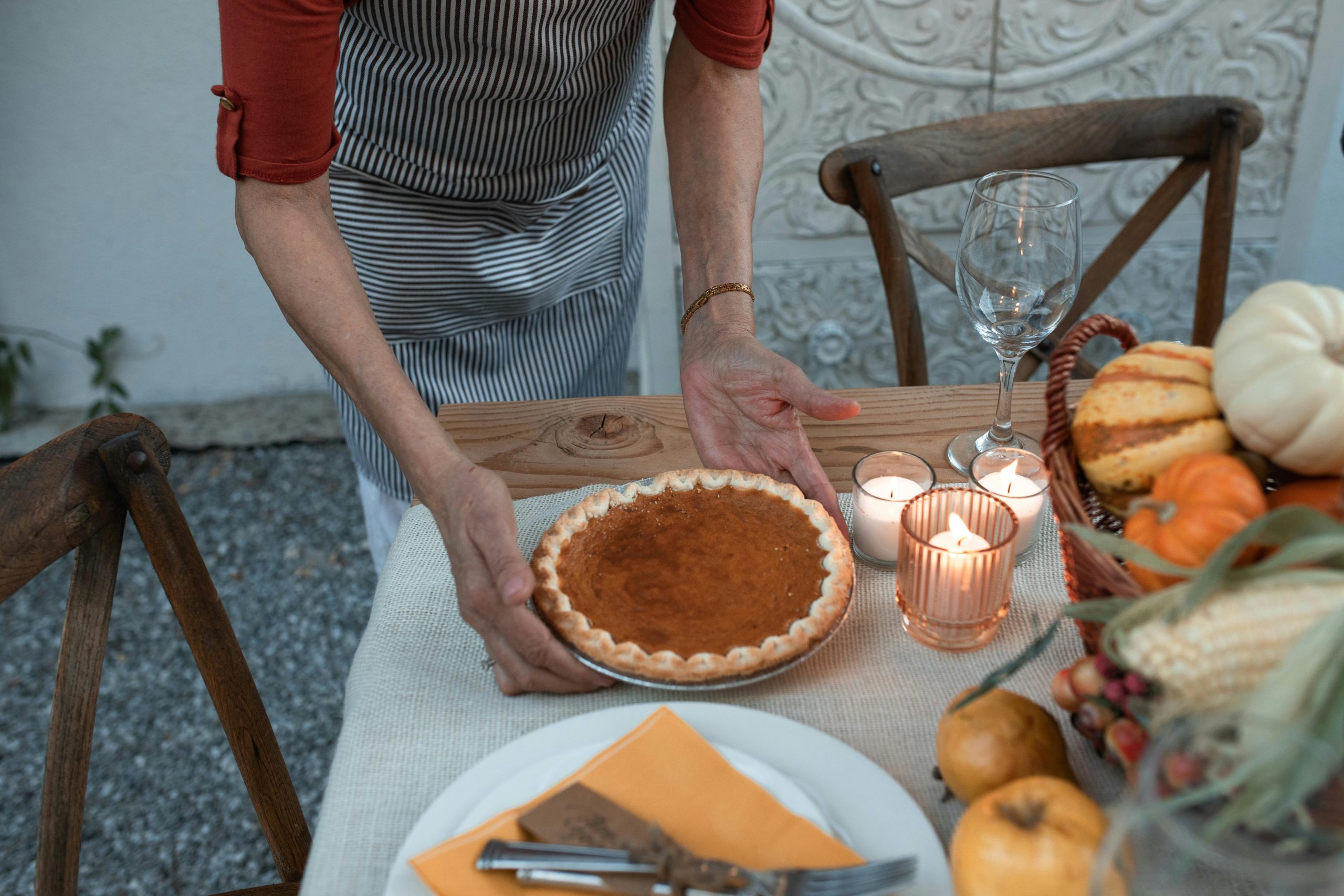
As the air turns crisp, we need grounding, energy-dense foods to prepare for the colder months. Nature provides sturdy squashes, apples, pumpkins, carrots, and potatoes. These complex carbohydrates and rich, orange-hued vegetables are packed with beta-carotene and vitamins to bolster our immune systems.
· Winter: The Warmth & Comfort
In the depth of winter, we crave warmth and sustenance. This is the time for hearty, slow-cooked meals featuring robust greens like kale and collards, along with stored root vegetables and citrus fruits, which arrive just in time to provide a crucial boost of Vitamin C to fend off winter colds.
Eating this way is like listening to a symphony. Each section—strings, woodwinds, brass—has its moment to shine, creating a harmonious whole. Forcing strawberries in winter is like playing a loud trumpet solo during a quiet violin piece. It’s jarring, and you miss the true beauty of the moment.
The Triple Win: Taste, Health, and Your Wallet
Adopting a seasonal mindset isn’t just poetic; it’s profoundly practical.
1. The Flavor Factor (The Most Obvious Win)
A strawberry grown in its natural season, ripened by the sun, is a flavor explosion. A strawberry grown in a hothouse in December and shipped thousands of miles is a red imposter. Seasonal produce is allowed to ripen naturally, developing its full spectrum of sugars, acids, and aromas. It simply tastes more like itself.
2. The Nutritional Bonus (The Hidden Payoff)
The moment a fruit or vegetable is harvested, its nutrients begin to degrade. Produce that is shipped long-distance is often picked weeks before it’s ripe, severely limiting its nutritional potential. A study comparing Vitamin C levels in broccoli found that it could decline by over 50% during transport and storage. Local, seasonal food spends less time in transit and more time on the vine, meaning more vitamins, minerals, and antioxidants end up on your plate.
3. The Economic Advantage (The Happy Surprise)
Basic economics: when there’s a surplus of something, the price drops. When zucchini is in peak season, every farmer has crates of it, and the price plummets. Buying what’s abundant is the single easiest way to slash your grocery bill and eat like royalty on a budget.
How to Become a Season-Savvy Eater (Without a Farm)
You don’t need to till the soil to eat with the seasons. You just need to shift your shopping habits.
· Find Your Local Food Hub: The absolute best way to know what’s in season is to visit a farmers’ market. It’s a vibrant, sensory-filled classroom. If you don’t see it at the market, it’s probably not in season locally.
· Join a CSA (Community Supported Agriculture): This is like a subscription box from a local farm. You pay upfront for a “share” of the harvest and receive a weekly box of whatever is freshly picked. It’s the ultimate way to connect with your food source and be forced to get creative in the kitchen.
· Decode the Grocery Store: In a big supermarket, look for signs that say “local.” Pay attention to the origin labels. That bag of apples from Chile in July is a big clue that they’re out of season in the Northern Hemisphere.
· Preserve the Bounty: When you find a fantastic deal on peak-season produce, don’t let it go to waste! Learn the simple arts of freezing (berries, blanched greens), making jam (stone fruits), or fermenting (cabbage into sauerkraut, cucumbers into pickles). This lets you capture a taste of summer to enjoy in the depths of winter.
The Ripple Effect: Your Fork as an Agent of Change
When you choose a local, seasonal carrot over a bag of pre-cut carrots from the other side of the country, you’re doing more than just getting a tastier vegetable.
· You Shrink Your Carbon Footprint: The average food item travels 1,500 miles to get to your plate. Choosing local drastically reduces “food miles” and the associated fossil fuels.
· You Support a Living Landscape: You are voting with your wallet for a landscape of thriving family farms instead of sprawling industrial warehouses.
· You Champion Biodiversity: Industrial agriculture relies on a few, hardy varieties that can withstand shipping. Small, local farms often grow heirloom and diverse varieties, preserving genetic richness and incredible flavors that would otherwise be lost.
The Final Harvest
Seasonal eating is the ultimate act of culinary mindfulness. It reconnects you to the natural world’s rhythm, teaching patience and anticipation. You learn to yearn for the first asparagus of spring and savor the last butternut squash of late autumn.
It’s a celebration of place and time. It turns your weekly grocery trip into a treasure hunt and your kitchen into a reflection of the world right outside your door. So, put on a jacket, head to your nearest farmers’ market, and ask a simple question: “What’s good this week?” Then, let nature write your menu. You won’t be disappointed.
Leave a Reply