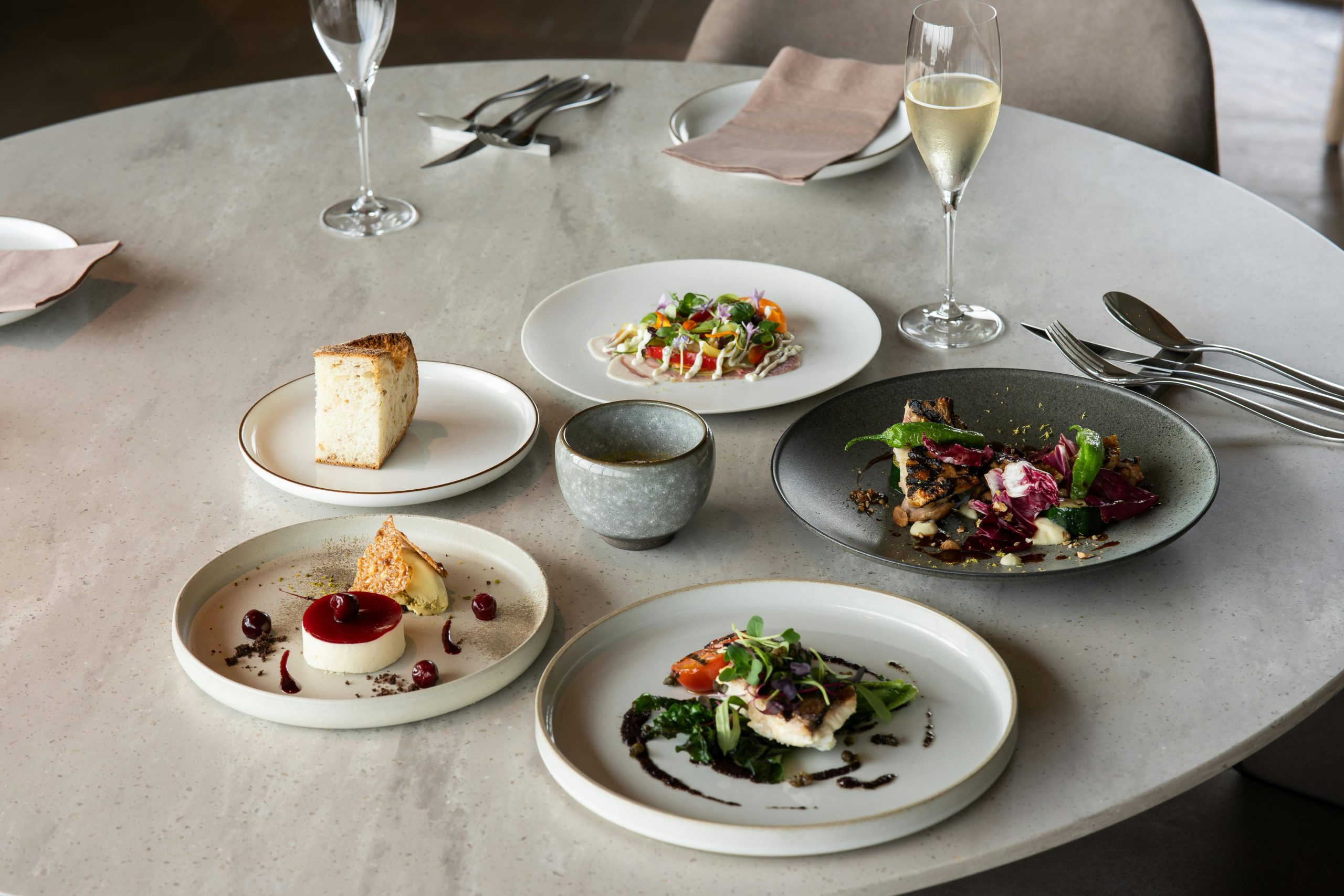
In our modern world of global supply chains, we have achieved the impossible: strawberries in December, asparagus in October, and blueberries year-round. We’ve conquered seasonality, but at what cost? We’ve gained convenience but lost a fundamental connection to the natural rhythm of the earth—a rhythm that, it turns out, is deeply intertwined with our own health and the well-being of our planet. It’s time to rediscover the simple, profound art of eating by the calendar.
Part 1: The Nutritional Symphony of the Seasons
Nature is the ultimate nutritionist. It provides exactly what our bodies need, when we need it.
· Summer’s Hydrating Bounty: When the sun is high and temperatures soar, nature offers water-rich, cooling foods. Think tomatoes, cucumbers, zucchini, berries, and melons. These foods help us stay hydrated and are often lighter, aligning with our body’s desire for less dense, energy-intensive meals in the heat.
· Autumn’s Earthy Storage: As days shorten and cool, the harvest shifts to sturdy, energy-dense foods. Winter squash, pumpkins, apples, potatoes, and root vegetables like carrots and beets are nature’s way of helping us build reserves for the colder months. They are rich in complex carbohydrates and beta-carotene, supporting our immune system as we head into cold and flu season.
· Winter’s Deep Nourishment: The coldest months call for deep, concentrated nutrition and warming foods. This is the time for hearty brassicas (kale, cabbage, Brussels sprouts), alliums (onions, garlic), and long-storing cellar vegetables. These foods are packed with vitamins and compounds that support immune function. Slow-cooked stews and roasted roots become not just comforting, but physiologically appropriate.
· Spring’s Cleansing Rebirth: After a winter of heavier fare, the first signs of spring bring sharp, bitter, and detoxifying greens—dandelion, arugula, asparagus, and radishes. These foods act as a natural diuretic and are traditionally seen as helping to “wake up” the digestive system, mirroring the renewal happening in the world outside.
Part 2: The Flavor Argument: A Taste You Can’t Buy
A strawberry grown in its natural season, ripened by the sun and picked at its peak, is not the same food as its pale, firm, out-of-season counterpart that has traveled thousands of miles.
· The Sugar-Acid-Alchemy: Produce harvested in season develops a full, complex profile of sugars, acids, and aromatic compounds. A summer tomato is a symphony of sweet, sour, and umami. A winter-hothouse tomato is a single, bland note.
· The Terroir on Your Plate: Just like wine, vegetables and fruits absorb the characteristics of their environment—the soil, the sun, the rain. This concept of “terroir” is completely lost in industrial, out-of-season agriculture, which prioritizes uniformity, ship-ability, and shelf life over taste. Eating seasonally and locally is the only way to truly taste the place you live in.
Part 3: The Ripple Effect: Why Your Tomato Choice Matters
Choosing a seasonal tomato isn’t just a personal health decision; it’s an economic and environmental one.
· Supporting the Web of Life: Local, seasonal agriculture supports a diverse ecosystem of pollinators, soil microbes, and native species. Monoculture farms that supply global markets often do so at the expense of biodiversity.
· The Carbon Footprint of a Craving: That craving for green beans in January comes with a hidden price: a massive carbon footprint from refrigeration and transportation. Eating seasonally is one of the simplest and most effective ways to reduce your personal environmental impact.
· Building Community Resilience: When you buy from a local farmer at a seasonal peak, you are investing in your local economy and food security. You are helping to maintain farmland and ensuring that your community has a source of fresh, nutritious food, independent of global disruptions.
Part 4: A Practical Guide to Seasonal Eating (Without Moving to a Farm)
This doesn’t have to be an all-or-nothing endeavor. Start small.
1. Visit a Farmers’ Market: This is the easiest classroom. The produce on display is, by definition, what’s in season right now in your region. Talk to the farmers. They are fountains of knowledge on what’s coming next and how to prepare it.
2. Learn Your Area’s Rhythm: A simple online search for “[Your Region] seasonal food chart” will yield a helpful guide. Print it and put it on your fridge. It transforms grocery shopping from a passive activity into a mindful, seasonal quest.
3. Preserve the Harvest: When you find a glut of delicious, peak-season produce, don’t let it go to waste. Learn simple preservation techniques. Freeze summer berries. Make a big batch of tomato sauce and can or freeze it. Pickle autumn vegetables. This allows you to enjoy a taste of summer in the depths of winter.
4. Embrace the “Ugly” Vegetable: Seasonal, local produce isn’t always waxed and perfect. It might be oddly shaped or have a minor blemish. This is a sign of real food, grown in a real environment. Celebrate its character.
5. Start with One Thing: You don’t need to overhaul your entire diet. Pick one food—like tomatoes or strawberries—and commit to only eating it when it’s in season locally. You’ll be amazed at how this one change reshapes your perception of flavor and connection.
The Grand Finale: Rejoining the Cycle
Eating seasonally is an act of realignment. It’s a conscious choice to step off the hamster wheel of constant, globalized consumption and re-engage with the natural cycles that have sustained life for millennia.
It forces us to practice patience and anticipation—virtues that are in short supply in our modern world. It turns the simple act of eating into a practice of mindfulness, gratitude, and connection to the land and the people who cultivate it.
So, the next time you plan a meal, ask the oldest and wisest question of all: What is the earth offering right now? The answer will lead you to food that is not only at its nutritional and flavorful peak, but that also tells a story—the story of the soil, the sun, the rain, and the season you are in.
—
Now, if you’ll excuse me, it’s late summer, and the farmers’ market is overflowing with heirloom tomatoes. Their imperfect, sun-warmed skins hold more flavor than any grocery store could ever offer. My kitchen awaits, for this is a seasonal celebration that cannot be missed.
Leave a Reply